Saudi Arabia's Q1 2026 deficit doubles as Hormuz closure and US military pivot reshape fiscal outlook
A 3 per cent drop in oil sales combined with a 20 per cent surge in public spending has pushed the national shortfall to $33.5bn, far exceeding annual projections.
The Saudi Ministry of Finance has released figures indicating that the kingdom recorded a budget deficit of 125.7 billion riyals, or approximately $33.5bn, during the first quarter of 2026. This shortfall represents more than double the deficit recorded in the same period last year and significantly overshoots the annual projection of 65 billion riyals that officials had outlined in December. The widening gap between income and expenditure marks a sharp departure from the financial stability previously anticipated for the year.
The primary driver of this fiscal strain is a 3 per cent decline in oil revenues, which fell to 144.7 billion riyals. This reduction in commodity sales is directly attributed to the effective closure of the Strait of Hormuz, a critical maritime chokepoint that has halted traffic for over two months due to regional threats. As the world's leading oil exporter, the kingdom has lost a key economic lifeline, with crude and petroleum products accounting for more than half of total government revenues in the preceding year.
Despite the disruption, the state has attempted to mitigate the impact by rerouting a significant portion of its exports through the Red Sea port of Yanbu via the East-West Pipeline. However, this logistical adjustment has not been sufficient to offset the revenue loss. Concurrently, the government has seen a 20 per cent year-on-year rise in total spending, which reached 386.7 billion riyals. This increase in outlays has exacerbated the deficit, rendering the earlier annual budget forecast obsolete.
Sector-specific analysis of the expenditure data highlights the scale of the spending surge. Resources allocated for economic activities rose by 52 per cent, while general items increased by 46 per cent. Furthermore, outlays for the military, infrastructure, and transport each climbed by 26 per cent. Although non-oil revenues managed a 2 per cent increase, this partial offset was insufficient to counterbalance the combined pressures of falling oil income and rising domestic costs.

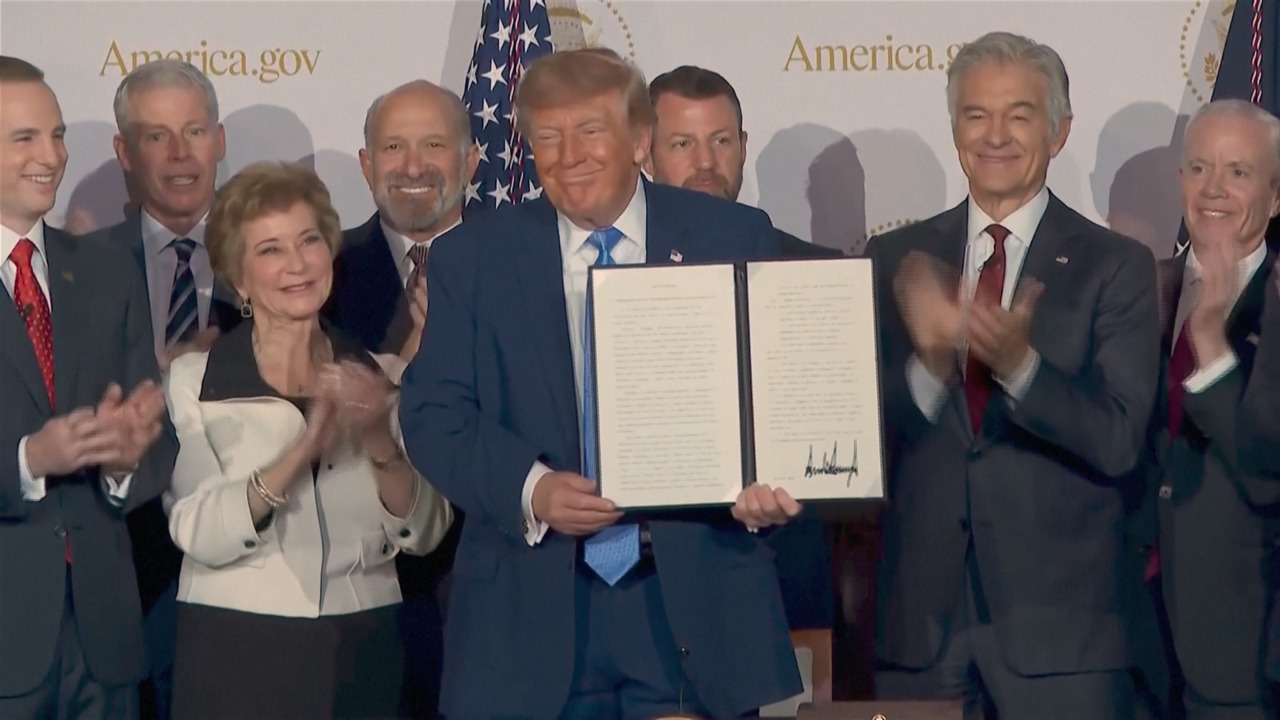
The geopolitical context surrounding the Strait of Hormuz has also shifted, influencing the broader security and economic landscape. Maritime traffic in the strait, which typically carries about one-fifth of global fuel supplies, has been at a standstill for months. On Tuesday, United States President Donald Trump suspended "Project Freedom", a military operation launched to reopen the waterway, less than 48 hours after its commencement.
The suspension of the operation was cited as a response to reports of great progress being made in peace negotiations between the United States and Iran. This diplomatic development, coupled with the suspension of direct military intervention to secure the shipping lane, leaves the kingdom to manage the economic fallout through alternative trade routes while facing a significantly larger-than-expected fiscal hole.