Ceasefire breach in Lebanon prompts expanded displacement orders
The US-brokered truce remains in effect as military operations shift to include the western Bekaa for the first time since April 17
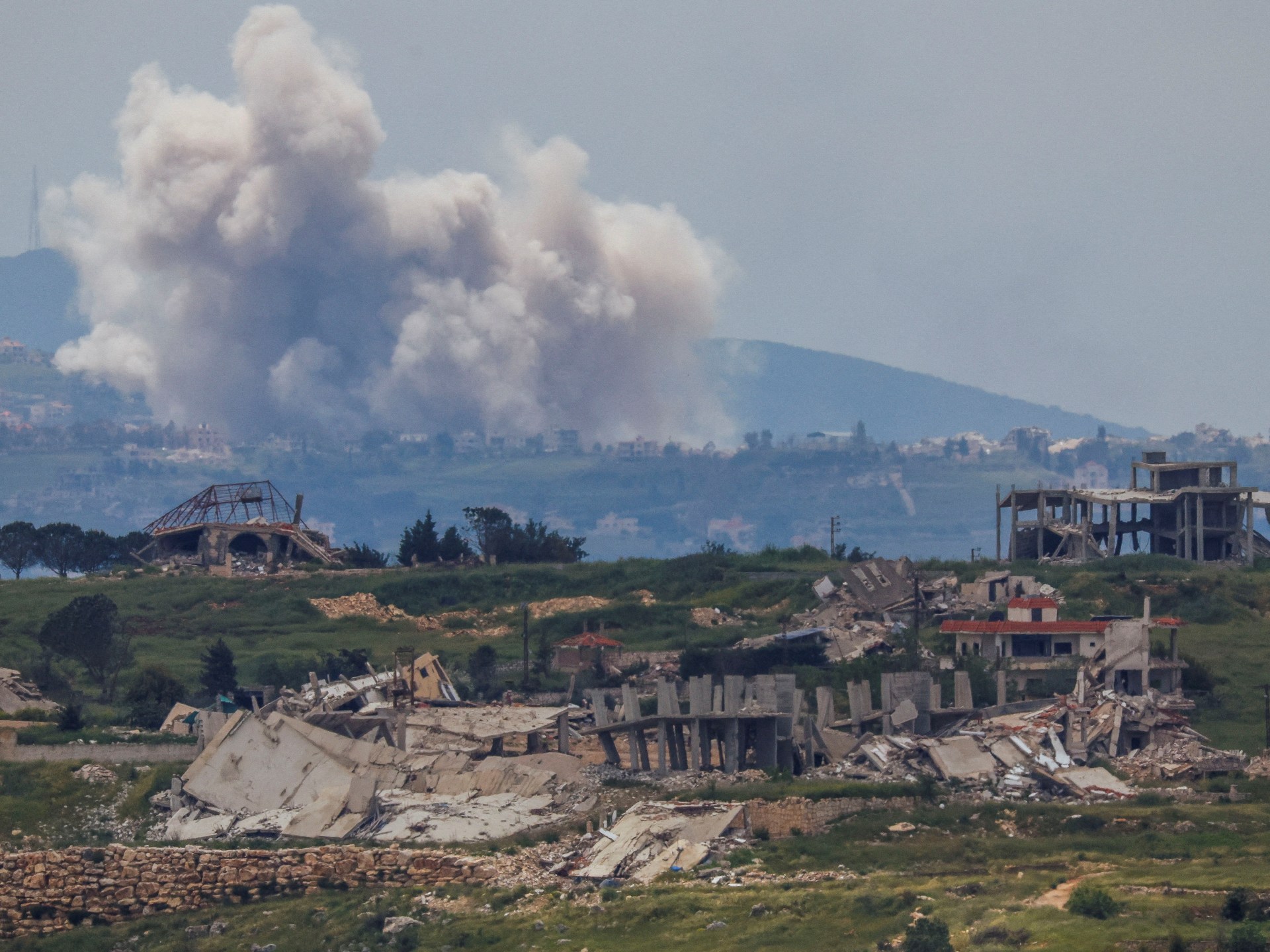
Israeli air strikes and artillery attacks on southern and eastern Lebanon have resulted in the deaths of at least six people and injured three others, marking a clear violation of the ceasefire brokered by the United States last month. The violence specifically targeted the town of Zellaya in the east and the village of Mayfadoun in the south, with state-run National News Agency reporting that the attacks were conducted using fighter jets, drones, and heavy shelling.
The deadliest incident occurred in Zellaya, where an airstrike on the home of Ali Qassem Ahmad, the head of the municipal council, killed him along with three family members and wounded three others. Simultaneously, forces engaged in attacks on Mayfadoun that claimed two additional lives. While Hezbollah claimed responsibility for retaliatory strikes against Israeli soldiers in several areas, Israel stated that its offensive actions were a response to a ceasefire violation by the armed group, though it provided no credible evidence to substantiate this assertion.
In the wake of these incidents, Israel has issued forced displacement orders for 12 villages in southern Lebanon, instructing residents to remain at least one kilometre from their homes. This directive represents a significant escalation in the application of the truce, as it marks the first time since it took effect on 17 April that the western parts of the Bekaa Valley have been included in such evacuation mandates. Most of the affected villages are located north of the Litani River, an area not currently under Israeli military occupation.
Reporting from Beirut indicates that Israeli air strikes have also impacted parts of the Tyre district, further expanding the geographical scope of the conflict. The Lebanese armed group has continued to engage Israeli forces in response to these incursions. Despite the stated intent of the ceasefire to halt hostilities, the military situation remains volatile, with the latest displacement orders reflecting a continued expansion of operations into regions previously spared under the current agreement.

Since fighting resumed on 3 March following rocket fire from Hezbollah, Israeli attacks in Lebanon have reportedly killed approximately 2,700 people and displaced more than 1.2 million individuals. The current breach of the truce adds to a broader context of sustained conflict that has seen entire villages destroyed in the south, prompting comparisons with the devastation caused by the war in Gaza.
The lack of credible evidence regarding the alleged ceasefire violation complicates the diplomatic landscape, even as the United States maintains its role as the broker of the agreement. The inclusion of the western Bekaa Valley in displacement orders signals a shift in the operational front, raising questions about the durability of the truce and the immediate future of civilian safety in the region.