US pauses Project Freedom ship guidance initiative in Strait of Hormuz
President Donald Trump announces temporary suspension of the naval operation via social media, aligning with reported progress in peace talks with Iran
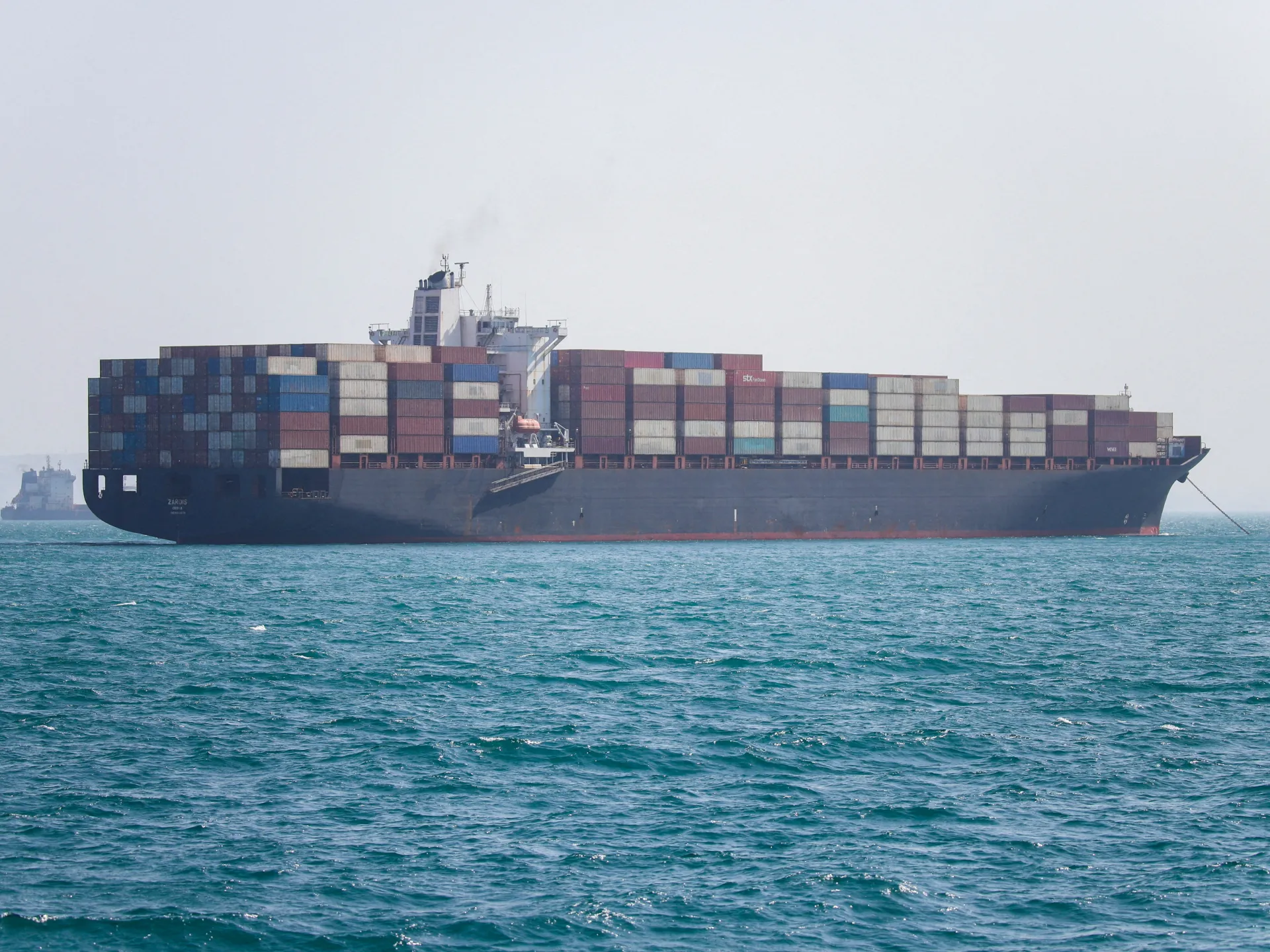
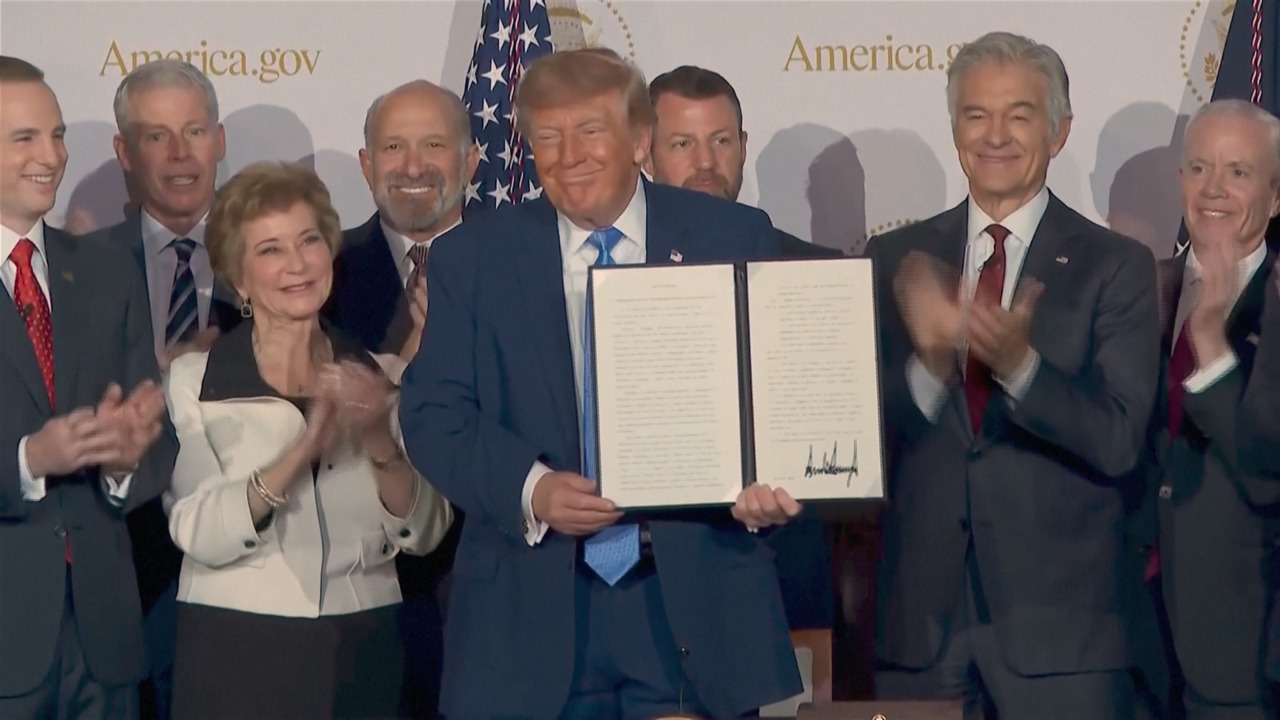
President Donald Trump has announced a temporary suspension of Project Freedom, the United States military initiative designed to guide commercial vessels through the Strait of Hormuz. The decision, communicated directly by the President on social media on 5 May, marks a distinct operational adjustment in the region's security posture.
This move represents a strategic pivot by the administration away from active kinetic engagement toward a focus on diplomatic resolution. The pause coincides with reported progress in ongoing peace negotiations between the US and Iran, suggesting an effort to facilitate the finalisation of a settlement without the immediate pressure of an escort mission.
US Defence Secretary Pete Hegseth has confirmed the suspension of the escort mission, validating the President's statement. The operation, which has been critical for ensuring safe passage for shipping within the Persian Gulf, is now officially paused pending further developments.
The duration of this suspension remains unspecified, with the administration describing it only as a temporary measure. No details were provided regarding the operational status of US forces in the region during this pause, leaving the extent of the strategic shift somewhat unclear.
While the pause appears conditional on the advancing diplomatic talks, the specific outcomes required to resume operations have not been defined. Officials have not yet clarified whether the suspension is a unilateral strategic decision or strictly tied to specific milestones in the Iran negotiations.
The announcement highlights a broader recalibration of US policy in the Persian Gulf, prioritising diplomatic channels over military presence for the time being. As the situation evolves, the focus remains on the potential for a comprehensive settlement to resolve the underlying tensions that necessitated the original guidance plan.