US pauses Project Freedom escort mission in Strait of Hormuz as administration pivots to diplomacy
President Trump signals a strategic shift from active kinetic engagement to a diplomatic resolution, though the duration of the suspension remains undefined
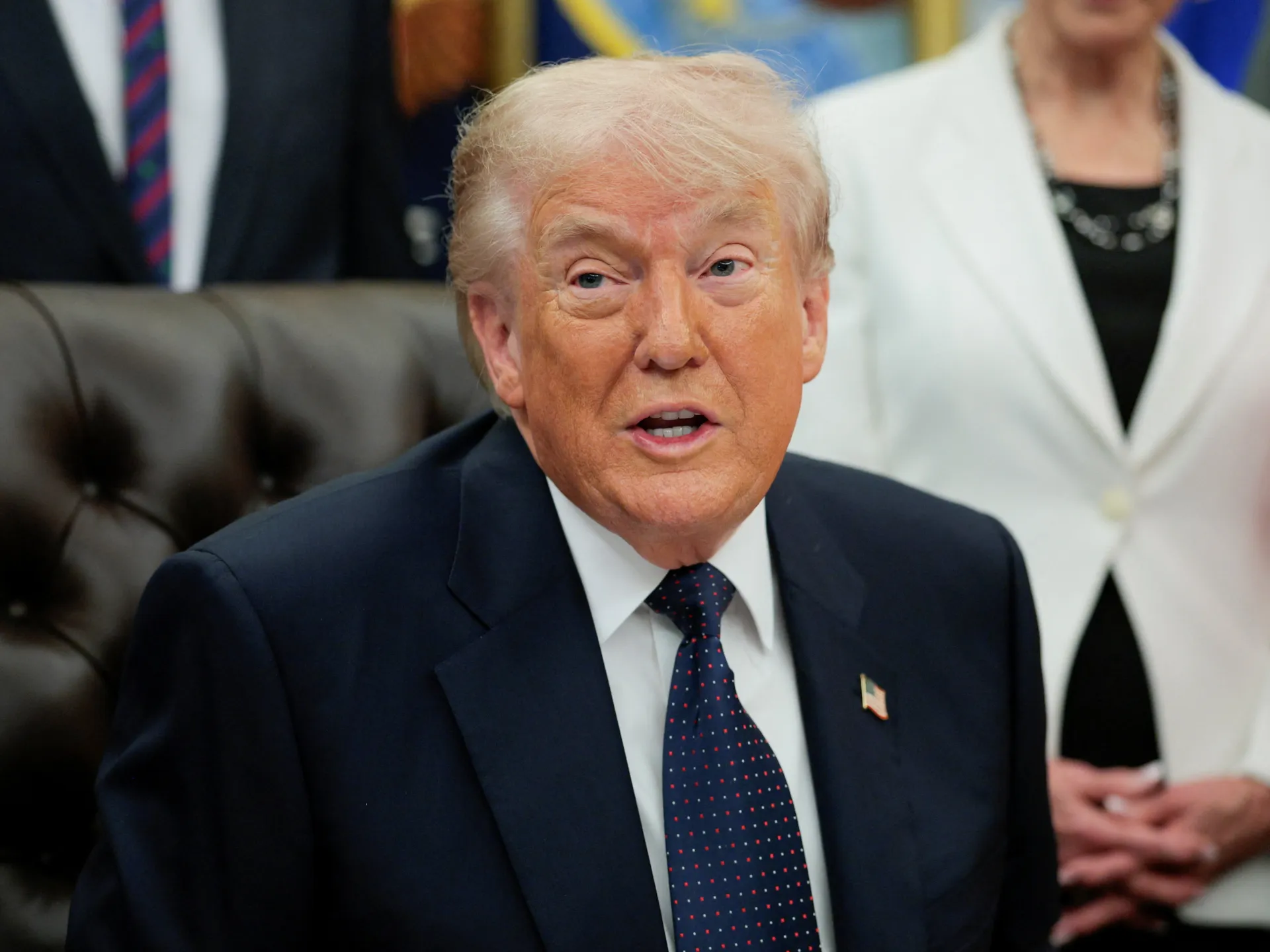
President Donald Trump has announced a temporary suspension of Project Freedom, the United States military initiative designed to guide commercial vessels through the strategically vital Strait of Hormuz. The decision, communicated directly by the President via social media, marks a distinct operational adjustment in the region's security posture. Citing significant progress toward a final agreement with Iran, the administration describes this move as a pivot away from active kinetic engagement toward a diplomatic resolution.
Defence Secretary Pete Hegseth confirmed the operational suspension, validating the shift in strategy. While the specific nature and extent of the "great progress" cited by the President have not been detailed in the source text, the pause is intended to coincide with ongoing peace negotiations aimed at finalising a settlement with Iran. Officials have described the duration of the suspension only as a short period, leaving the specific timeline of the ceasefire undefined.
White House adviser Marco Rubio has publicly stated that the war is effectively over, a claim that represents a subjective political statement regarding the conflict's status. However, this declaration remains a political claim pending a formal treaty, as the nature of the complete and final agreement remains unverified and is currently under negotiation. The divergence in perception regarding the conflict's status is highlighted by the Iranian leadership's rejection of the US narrative.
Iranian President Masoud Pezeshkian responded by accusing Washington of maintaining a policy of maximum pressure and demanding unilateral submission. This response indicates a significant divergence in perception between the two nations regarding the current state of hostilities and the nature of the ongoing negotiations. The term maximum pressure is a political label used by the Iranian President, and its factual basis regarding current US policy requires verification against official US statements.
Market reactions to the announcement were immediate, with oil prices retreating following the news of the mission pause. This financial movement underscores the sensitivity of the Strait of Hormuz to changes in US military posture and the global implications of any potential de-escalation in the Gulf. The retreat in prices serves as an indicator of how quickly international markets respond to shifts in regional security dynamics.
The announcement comes against a backdrop of recent diplomatic activity, including a state visit by King Charles III to the United States which proceeded despite a shooting incident at a White House dinner attended by President Trump on 27 April 2026. While unrelated to the immediate suspension of Project Freedom, the continuity of high-level diplomatic engagements suggests a broader effort to stabilise international relations in the region.