US Open disruption and Callaway ad expose influencer risks
Incidents involving creators at the US Open and in a Good Good advertisement are putting renewed focus on brand oversight, credentialling and creative control.
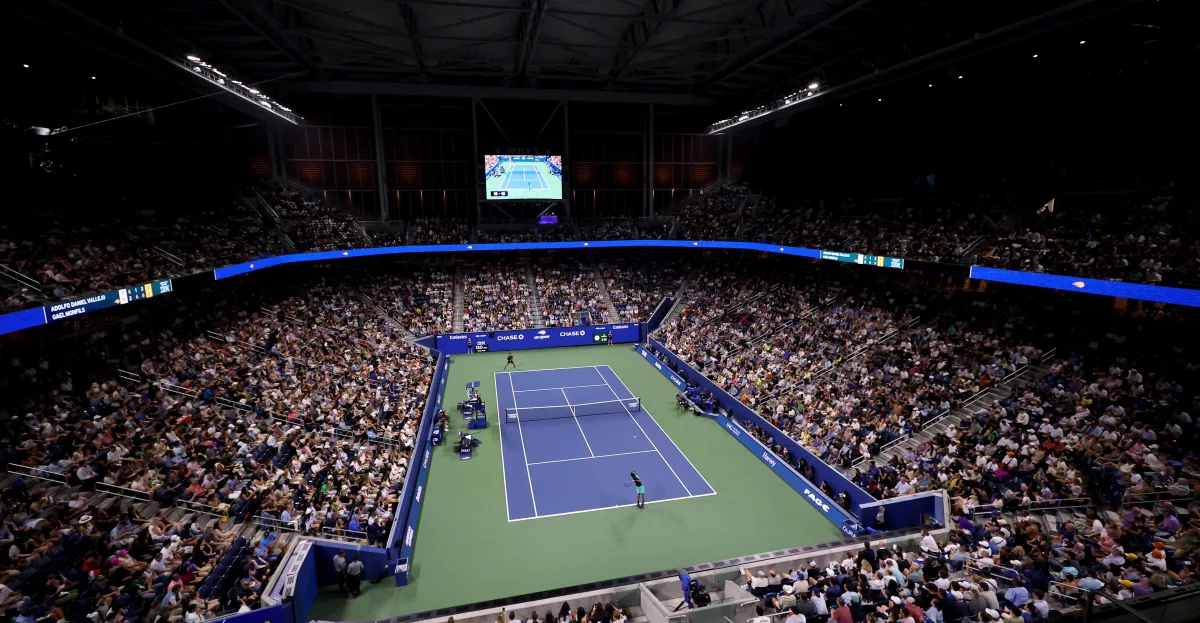
Brands’ expanding reliance on content creators is facing fresh scrutiny after disruptive behaviour at the US Open and backlash over a Good Good golf advertisement.
During Naomi Osaka’s match against Anastasia Zakharova, an umpire reportedly paused play and repeatedly asked influencers in a luxury suite to quieten down. The United States Tennis Association said the creators involved were not credentialled by the organisation. It said close to 100 influencers had been approved for this year’s tournament, up from 54 the previous year.
USTA spokesperson Brendan McIntyre also said lifestyle influencers Meg Radice and Audrey Jongens had not received media credentials. Their access was revoked after they posted images of their badges on Instagram. According to McIntyre, the pair had been improperly submitted for credentials on a staff list provided by a food vendor.
The incidents came after the US Open changed its spectator movement rules in 2024, allowing attendees to leave their seats at any time and creating designated spaces near the courts. Following the spread of videos showing the disruptions, the tournament put up signage asking spectators to avoid flash photography and other lighting.
The episode highlights the exposure brands take on when creators are brought into high-profile events to reach their followers. US creator advertising expenditure reached a reported $37 billion in 2025 and is projected to rise to $44 billion this year, according to reporting by The Verge.
Callaway Golf Company faced a separate backlash last month over an advertisement produced by Good Good. The video, featuring professional golfer Alexis Miestowski being shoved to the ground as she reaches for a Callaway-branded driver, was criticised for appearing to trivialise violence against women.
Callaway apologised and ended its partnership with Good Good. Chief executive Chip Brewer said the company had approved the advert before publication, but that it did not reflect Callaway’s values. The response underscores the difficulty for brands of balancing creators’ demand for creative control with responsibility for the material published in their name.