US naval 'dome' established in Strait of Hormuz as ceasefire remains intact
Washington maintains the truce with Tehran is active while asserting control over the waterway, though Iranian vessels remain barred from passage and over 1,550 ships are reported stranded.
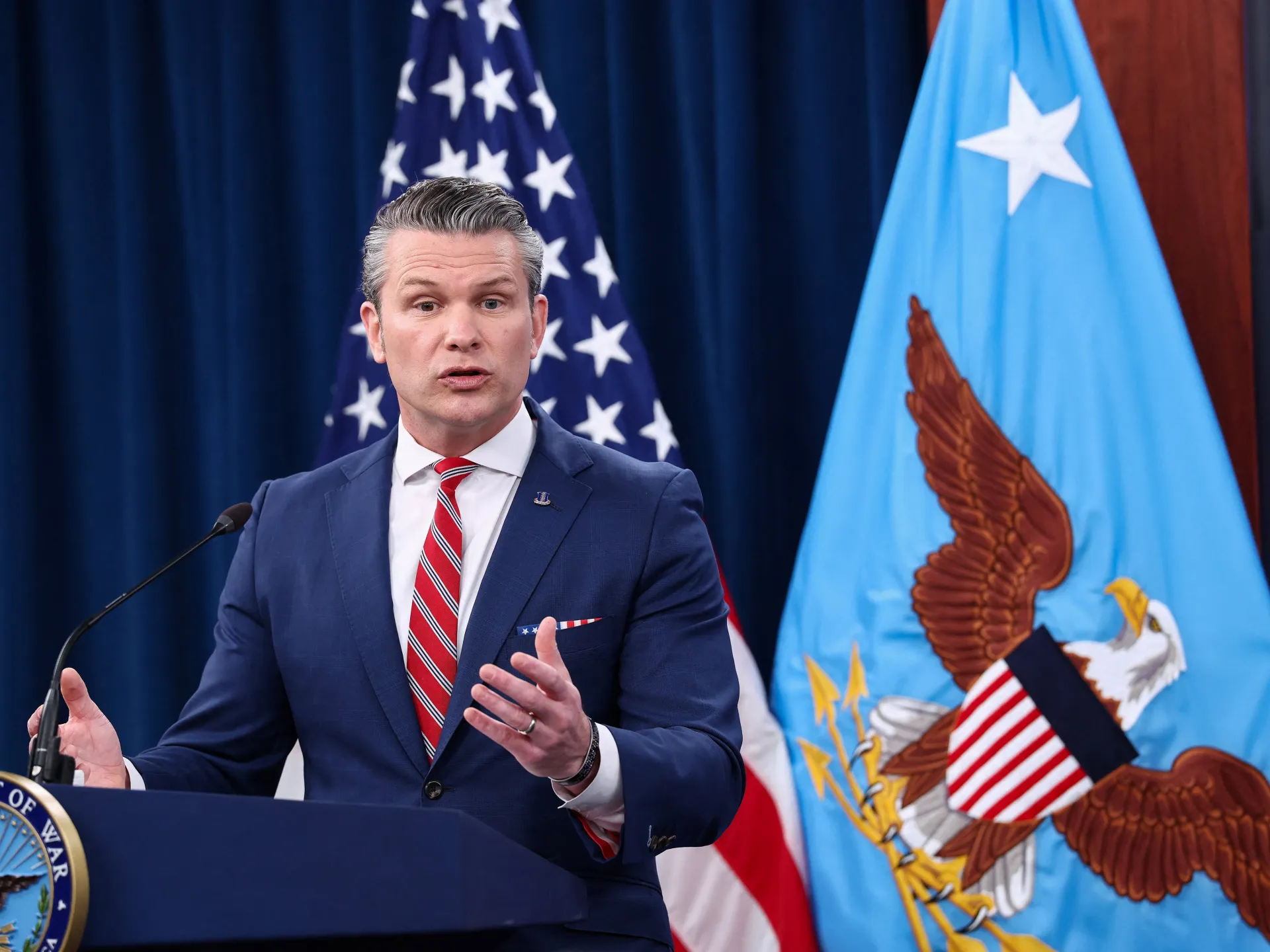
Pentagon chief Pete Hegseth has confirmed that the ceasefire between the United States and Iran remains in effect despite recent military clashes around the strategically vital Strait of Hormuz. Speaking to reporters, Hegseth stated that President Donald Trump will ultimately decide when the truce concludes, indicating that the administration may tolerate certain Iranian attacks during the push to reopen the waterway before determining if escalation violates the agreement.
To protect commercial shipping, US forces have established a security perimeter dubbed a "dome" under Project Freedom. Hegseth described this as a powerful red, white and blue dome supported by American destroyers, hundreds of fighter jets, helicopters, drones, and surveillance aircraft providing 24/7 overwatch. The defence secretary emphasised that this naval operation is distinct from the broader US-Israeli assault codenamed Epic Fury, noting that Washington expected some initial churn as the mission commenced.
Despite the deployment of these assets, traffic in the strait remains largely stalled. US officials have reported that over 1,550 ships are stranded globally, a situation that has contributed to a sharp rise in global oil prices. In the United States, the average price of a gallon of petrol reached $4.48 on Tuesday, marking a significant increase from the pre-war level of below $3. Hegseth claimed that Iran is embarrassed by the fact that the US blockade is holding, citing the successful passage of two US-flagged commercial ships and navy destroyers on Monday.
While the US has secured passage for select vessels, Iranian vessels remain barred from passing through the strait. Tehran has dismissed the US campaign, with Iranian Parliament Speaker Mohammad Bagher Ghalibaf stating that the security of shipping and energy transit has been jeopardised by the imposition of a blockade. Ghalibaf argued that Tehran is solidifying a new equation in Hormuz and that the continuation of the status quo is intolerable for America.
The conflict has resulted in significant casualties and further disruption. A South Korean ship near Hormuz was hit in a suspected Iranian attack, while an Iranian strike on the UAE's Fujairah Petroleum Industries Zone injured three people. Additionally, Tehran reported that a US attack on a passenger boat in the Gulf killed five civilians. General Dan Caine, referring to questions about the specific number of vessels being escorted, deferred to CENTCOM, stating he did not want to get out in front of commercial shippers.
Hegseth indicated that the US operation in Hormuz is temporary and will subsequently be handed over to other countries, though he did not identify which nations would take over responsibility. So far, US allies have declined calls to join military efforts to reopen the waterway. Hegseth told reporters that they are stabilising the situation so commerce can flow again, but they expect the world to step up at the appropriate time before handing back responsibility.