US military surveillance of Iran's buried uranium complicates ceasefire talks
President Trump claims the US can identify individuals near the site and will use force to prevent access, raising tensions as Pakistan mediates ongoing negotiations
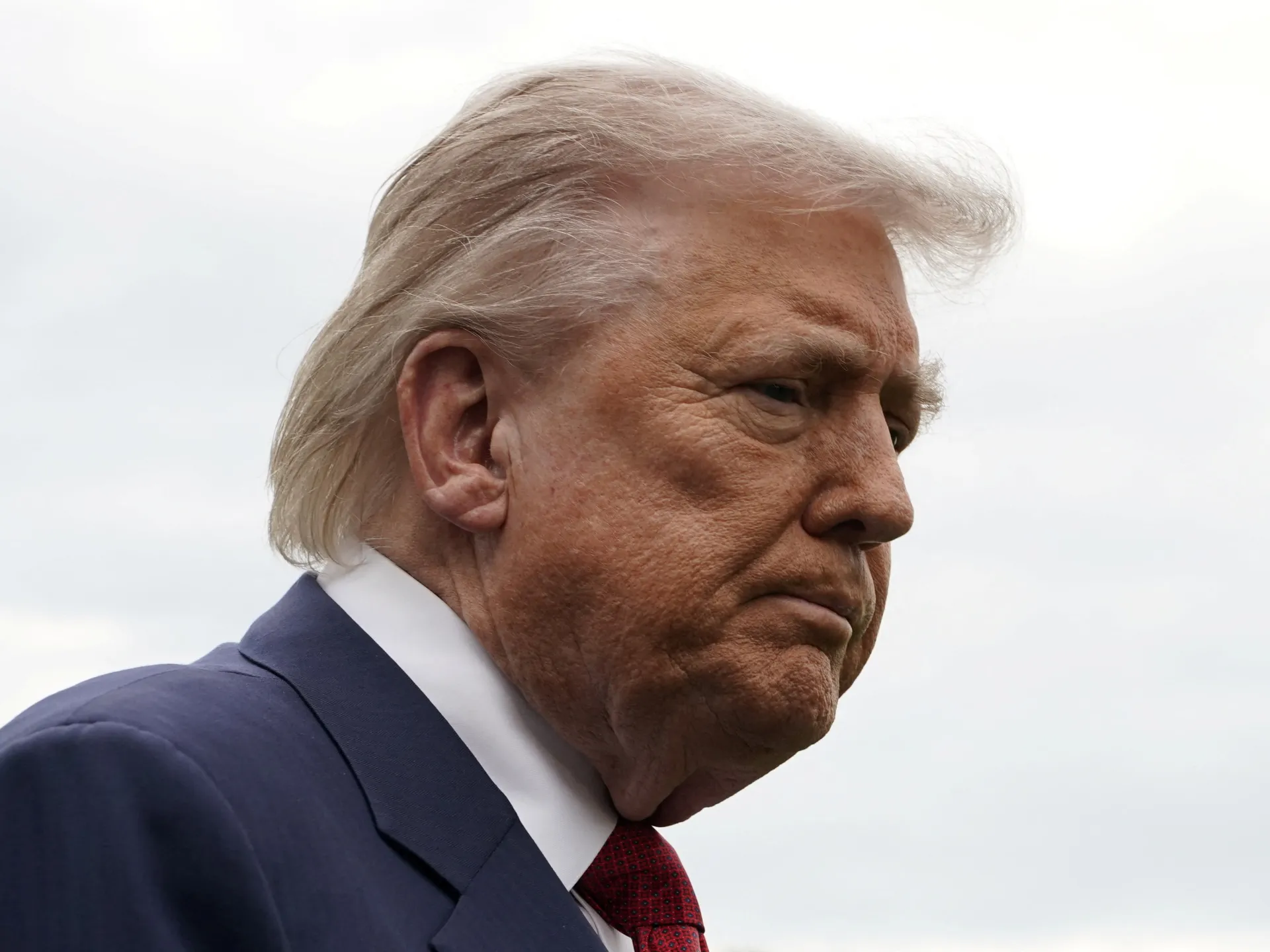
President Donald Trump has issued a stark warning that the United States will target any individual attempting to access Iran's highly enriched uranium, asserting that the material remains under constant military surveillance. Speaking on the syndicated television programme Full Measure, the US leader stated that Washington intends to retrieve the uranium, which is estimated to be over 400kg and buried at sites bombed in June 2025. This aggressive stance introduces a new layer of complexity to ceasefire negotiations concerning the ten-week war between the US and Israel, as Tehran maintains its refusal to transfer the material or shut down its domestic enrichment programme.
According to the President, the US military, including the Space Force, is capable of identifying anyone approaching the buried stockpile. Trump claimed that if any person got near the location, the US would know their name and address and would "blow them up". This declaration marks a shift from previous assertions that Iran had agreed to allow Washington to retrieve the uranium, a claim that the Iranian Foreign Ministry quickly dismissed. Esmaeil Baghaei, a spokesperson for Iran's Foreign Ministry, stated that enriched uranium is as sacred to the nation as Iranian soil and would not be transferred under any circumstances.
The dispute centres on a significant portion of Iran's nuclear capabilities, with estimates suggesting the country possesses more than 400kg of uranium enriched to 60 percent purity. While enrichment to this level is not sufficient for immediate weaponisation, reaching approximately 90 percent purity would enable the production of nuclear weapons. This situation arises after the 2015 Joint Comprehensive Plan of Action, which capped enrichment at 3.67 percent under international supervision, was nixed by the previous US administration, prompting Tehran to advance its programme well beyond agreed limits.
Tensions remain high as ceasefire negotiations, mediated by Pakistan, continue despite recent setbacks. Although Iran has recently delivered its response to the latest US proposal, the US insists that the war is not over even after describing Tehran as defeated. President Trump reiterated that further strikes on remaining targets could occur, noting that while 70 percent of desired objectives have been met, other targets remain available for potential engagement. This uncertainty contrasts with the desire for a resolution, particularly as skirmishes have erupted in the Gulf over the past week despite a truce.
The geopolitical friction has tangible economic consequences, with rising oil prices in the United States linked to supply issues caused by the Iranian blockade in the Strait of Hormuz. The average price of petrol has climbed to over $4.50 per gallon, a significant increase from the pre-war average of less than $3. This inflationary pressure underscores the broader impact of the conflict, which the President argues is necessary to prevent Iran from acquiring a nuclear weapon, describing the regime as "crazy" in the context of the nuclear threat.
As the US enforces a siege on Iranian ports and maintains its surveillance posture, the path to a diplomatic conclusion appears obstructed by mutual distrust over the nuclear material. The refusal of Tehran to yield the uranium, combined with Washington's threat to use lethal force against those attempting to access it, suggests that the ten-week conflict may extend beyond the current timeline. The situation remains fluid, with both sides entrenched in their positions regarding the future of Iran's nuclear programme and the security of the region.