US military reopens Strait of Hormuz passage amid renewed Iranian strikes on UAE
President Trump's "Project Freedom" initiative aims to secure commercial transit, but the escalation threatens global energy supplies and risks derailing the fragile truce established in early April.
US Central Command has confirmed that American forces successfully established a passage through the Strait of Hormuz on Monday, sinking six small Iranian boats that were targeting civilian vessels. The operation, designated "Project Freedom" by President Donald Trump, was authorised to clear the strategic waterway of mines and escort stranded merchant ships, with two American-flagged vessels successfully transiting under military protection.
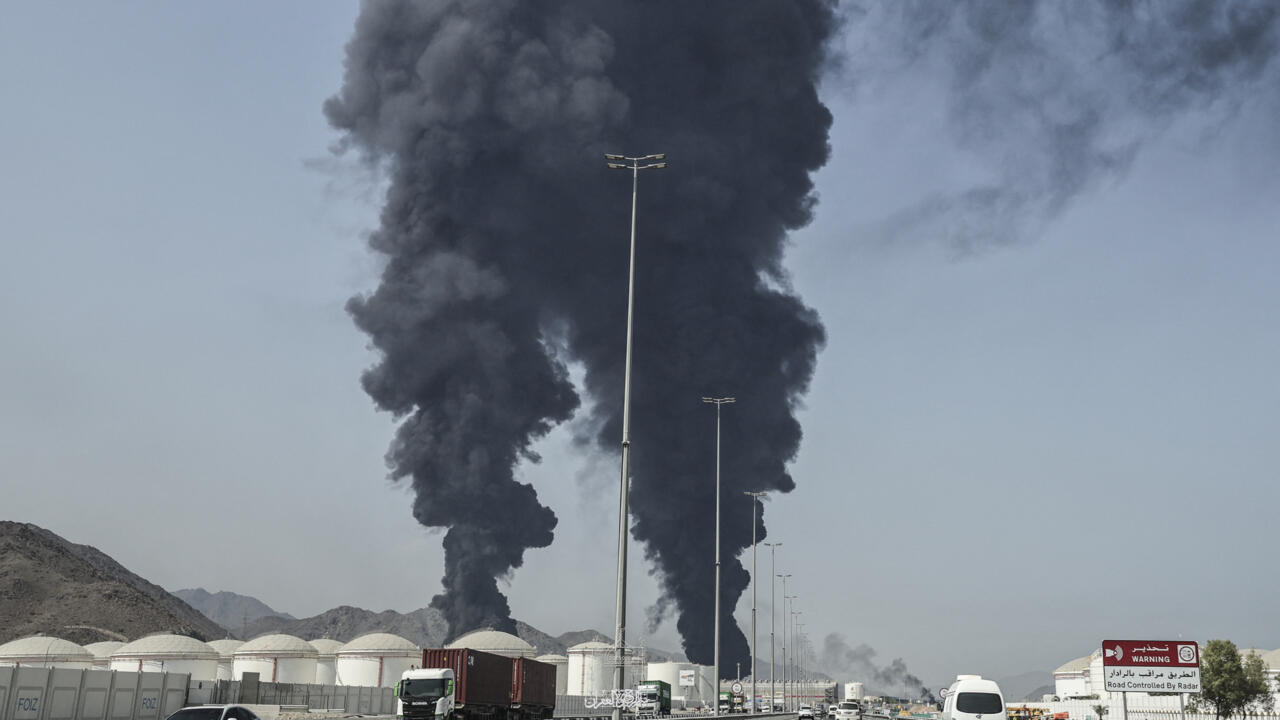
However, the reopening of the strait coincided with a fresh wave of aggression against the United Arab Emirates, marking the first attacks on the nation since the fragile ceasefire took hold in early April. The UAE Defence Ministry reported that its air defences engaged fifteen missiles and four drones fired by Iran. One of these drones struck a key oil facility in the eastern emirate of Fujairah, causing a fire that wounded three Indian nationals working at the site.
The escalation has triggered immediate disruptions to regional logistics and aviation. Commercial aircraft bound for the UAE, including the major hubs of Dubai and Abu Dhabi, were forced to turn around mid-air following missile alerts issued to residents to seek shelter. Shipping insurers and commercial operators are expressing significant reluctance to resume operations in the region, fearing further Iranian retaliation despite the US military's assertion that the passage is now free of mines.
Iranian officials have responded with denials and warnings, casting doubt on the intent behind the attacks. Foreign Minister Abbas Araghchi cautioned both the US and the UAE against being "dragged back into a quagmire," while an anonymous military official quoted on state television claimed Tehran had "no plan" to target the UAE or its oil fields. This official attributed the incidents to what they described as US military adventurism aimed at creating an illegal passage.
The geopolitical stakes remain high as the US enforces a naval blockade on Iranian ports, a move intended to deprive Tehran of oil revenue needed to shore up its ailing economy. While the US-led Joint Maritime Information Center advised ships to cross the strait in Oman's waters, the disruption has already squeezed economies in Europe and Asia that depend on Persian Gulf energy, driving up fuel prices and rattling global markets.
As diplomatic efforts stall, the US has warned shipping companies that they could face sanctions for paying Iran for transit of the strait. Meanwhile, Iran has proposed an end to the war that includes the lifting of sanctions and the withdrawal of foreign forces, though US officials have expressed doubt that this proposal will lead to a deal. The current violence risks derailing the truce that has held for over three weeks, potentially reigniting the full-scale fighting that erupted in late February.