US military planning options for Iran strikes as oil prices hit 2022 highs
Energy markets react to stalled peace talks and US Central Command briefing on new military options for President Donald Trump
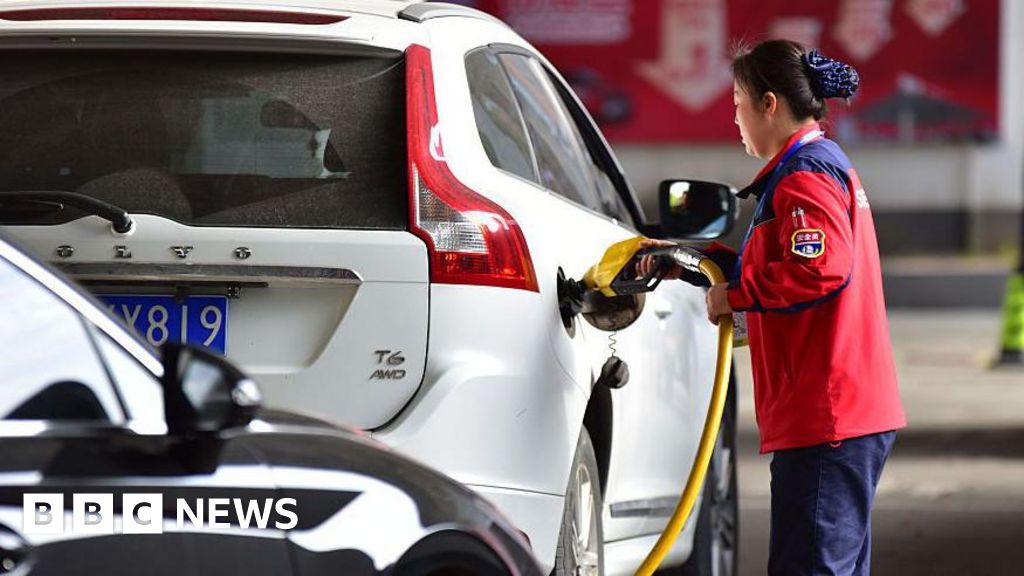
Oil prices have climbed to their highest level since 2022, with Brent crude rising by almost 7 per cent to exceed $126 a barrel. This sharp increase follows reports that US Central Command has formulated a plan for a series of short and powerful strikes on Iran intended to break a deadlock in negotiations with Tehran. The market reaction underscores the sensitivity of energy costs to developments in the region's security architecture.
Reports indicate that President Donald Trump is scheduled to receive a briefing on these new military options. The proposed strategy includes targeting specific infrastructure and a potential plan to take over part of the Strait of Hormuz to reopen the waterway for commercial shipping. Such a move would fundamentally alter the operational control of a critical maritime chokepoint used by approximately one-fifth of the world's energy supply.
The surge in energy costs occurs as peace talks between the United States and Iran appear to have stalled, leaving the key waterway effectively closed. Tensions have escalated this week with Iranian threats against vessels using the route, prompting the US to state it will blockade Iranian ports if such threats continue. The uncertainty surrounding the status of the Strait of Hormuz has driven up prices for both Brent crude and US-traded West Texas Intermediate, which rose by 2.3 per cent to around $109 a barrel.
Concerns regarding supply disruptions were further highlighted when energy executives reportedly met with President Trump on Tuesday to discuss limiting the impact of the conflict on US consumers. These discussions coincide with the broader strategic review of troop numbers in Germany, suggesting a wider recalibration of American military posture in the region. The potential for an extended blockade or direct military engagement remains a primary driver of volatility in global energy markets.
While the specific details of the briefing remain unconfirmed by official channels, the implications for governance and regional stability are significant. The US threat to blockade ports and the consideration of ground troops to secure the Strait of Hormuz represent a shift from diplomatic pressure to direct operational control. As the current futures contract for June delivery approaches expiration, traders are closely monitoring how these policy shifts will influence the July contract and long-term supply expectations.