US jury dismisses Musk’s OpenAI lawsuit on statute of limitations grounds
A federal jury has ruled that Elon Musk filed his claim against OpenAI too late, rejecting his attempt to force a return to the company’s original nonprofit structure and sparing major investors from disruption.
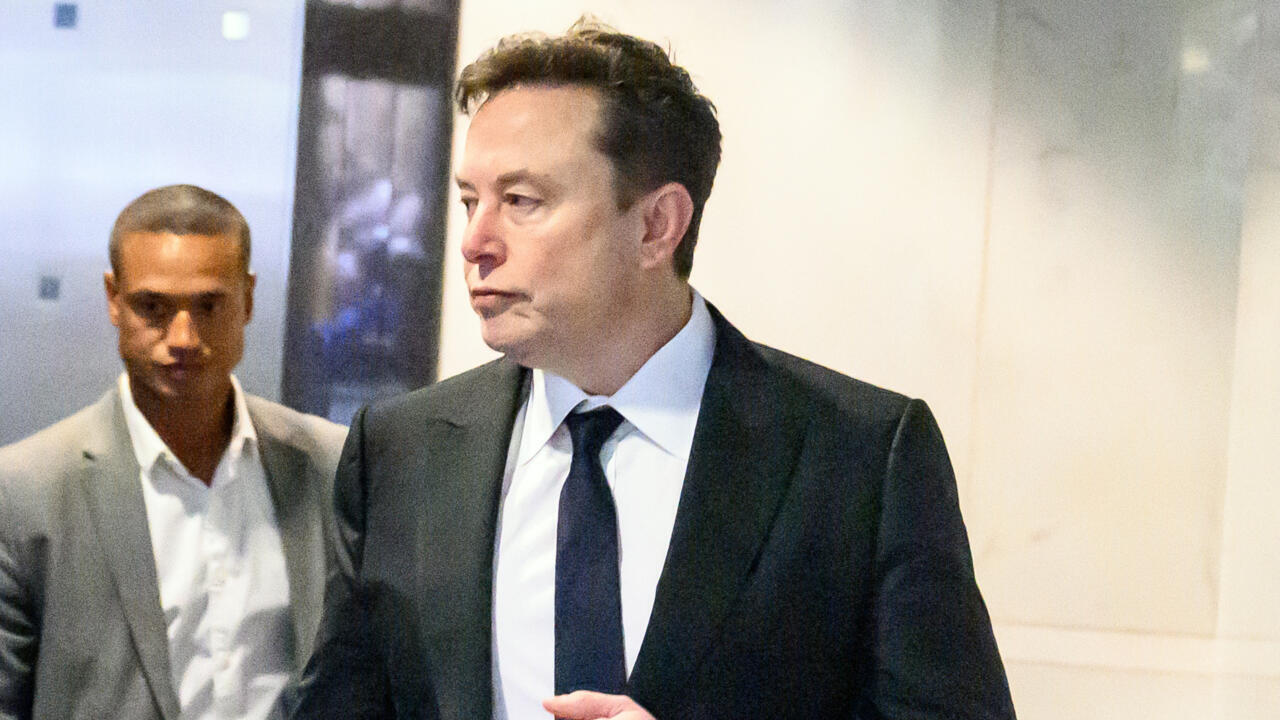
A US federal jury in Oakland, California, has delivered a unanimous verdict against Elon Musk in his lawsuit against artificial intelligence company OpenAI, finding that he had waited too long to bring the case. The decision spares OpenAI from Musk’s attempt to force the company to revert to its original nonprofit structure, a move that would have derailed its planned initial public offering and unwound ties to major investors including Microsoft, Amazon, and SoftBank.
The jury deliberated for less than two hours before reaching its conclusion in the trial that saw some of the most powerful figures in Silicon Valley go head-to-head. The outcome removes a significant legal obstacle that had overshadowed OpenAI’s plans to go public, providing clarity for institutional stakeholders monitoring the lab’s capital markets strategy. OpenAI is currently preparing for a possible initial public offering that could value the business at $1 trillion.
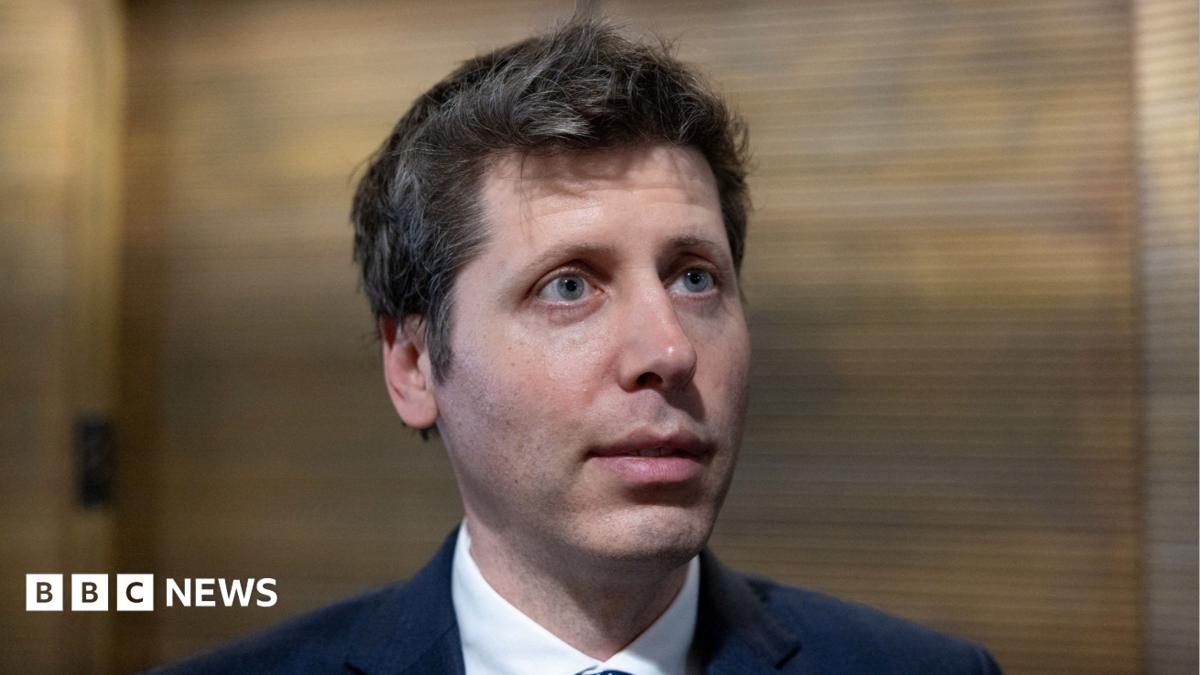
Musk had accused OpenAI and its leadership, including chief executive Sam Altman and president Greg Brockman, of manipulating him into contributing $38 million and then straying from the company’s founding mission to benefit humanity. He characterised the defendants’ conduct as "stealing a charity" after they attached a for-profit business to the nonprofit structure and accepted tens of billions of dollars from Microsoft and other investors.
OpenAI argued that Musk was driven by profit and had missed the statute of limitations. The trial featured 11 days of testimony where the credibility of both Musk and Altman came under repeated attack. Musk’s lawyer, Steven Molo, attempted to portray Altman as dishonest, noting that former colleagues questioned his candor. However, the jury found that Musk held no valid claim under the current legal framework.
US District Judge Yvonne Gonzalez Rogers stated she was prepared to dismiss the case on the spot, noting there was a substantial amount of evidence to support the jury’s finding on the statute of limitations. Musk’s legal team has indicated an intention to appeal, though the judge suggested the appeal may face significant hurdles because whether the time limit ran out before Musk sued was a factual issue.
OpenAI was founded by Altman, Musk, and several others in 2015. Musk left the board in 2018, and OpenAI established a for-profit business entity in 2019. Microsoft has invested more than $US100 billion in its partnership with OpenAI, according to testimony. Musk’s competing AI venture, xAI, is part of SpaceX, which is also preparing for an initial public offering.