US suspends Iran strike following Gulf diplomatic intervention
Negotiations continue through Pakistani mediators as tensions remain high over nuclear programme and Strait of Hormuz control
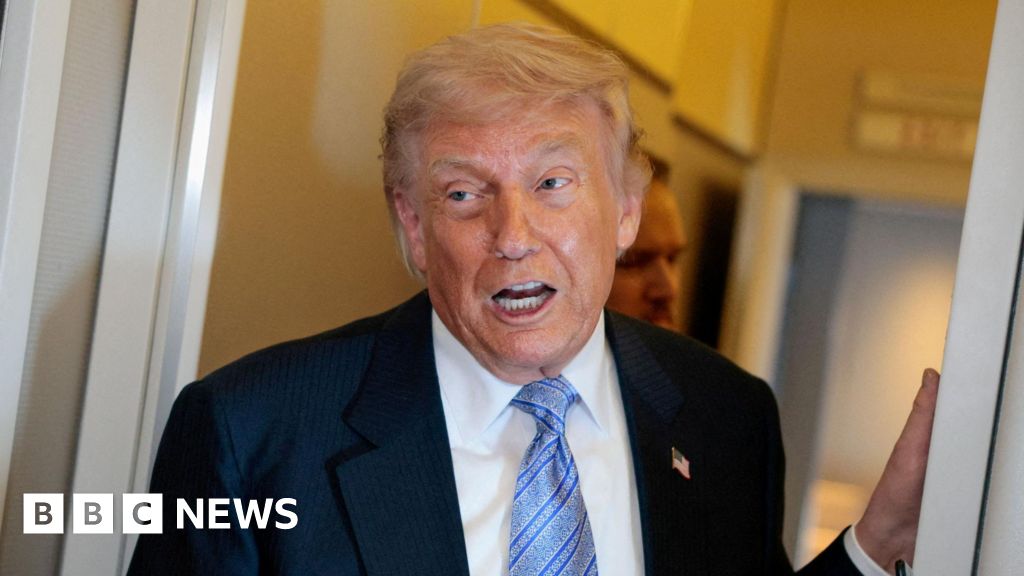
US President Donald Trump has suspended a military strike on Iran originally scheduled for Tuesday, citing direct requests from the leaders of Qatar, Saudi Arabia and the United Arab Emirates. The decision, announced via Truth Social on Monday, 18 May 2026, marks a temporary halt to hostilities that have characterised the past three months in the Persian Gulf.
Trump stated that serious negotiations were now underway and claimed a deal "very acceptable" to the United States would be reached. He emphasised that the outcome would ensure there were "NO NUCLEAR WEAPONS FOR IRAN", while simultaneously warning that the US military remained prepared to launch a "full, large scale assault" on a moment's notice if no agreement was secured.
The suspension follows months of conflict involving US and Israeli air strikes on Iranian targets, which began on 28 February 2026. These operations were met with retaliatory drone and missile attacks by Tehran against Israel and US assets across the Gulf region. A ceasefire agreed in April has been largely observed, despite occasional exchanges of fire and ongoing diplomatic friction.
Diplomatic channels remain active, with Iran confirming earlier on Monday that it had responded to the latest US proposal. Exchanges are continuing through Pakistani mediators, although Iranian media reports suggest the United States has failed to make concrete concessions to Tehran. Iranian demands reportedly include an immediate end to hostilities, a halt to the US naval blockade of Iranian ports, compensation for war damage, and guarantees regarding Iranian sovereignty over the Strait of Hormuz.
Tensions are further exacerbated by Iran’s control of the Strait of Hormuz, a vital waterway through which approximately 20 per cent of the world’s oil and liquefied natural gas passes. Tehran has described its control of the strait as retaliation for US and Israeli attacks, a move that has contributed to soaring global oil prices. The United Nations Secretary-General has previously warned that a blockade of the strait would have catastrophic global impacts.
While Trump suggested on Friday he might accept a 20-year suspension of Iran’s nuclear programme, marking a potential shift from previous demands for a total cessation, significant disparities remain. The US and its European allies maintain that Iran is seeking to develop nuclear weapons, whereas Tehran insists its programme is solely for peaceful purposes. Iranian foreign ministry spokesperson Esmail Baghaei described Tehran’s position as "responsible" and "generous", contrasting it with what he termed "totally unacceptable" US demands.
Iran has not yet publicly commented on Trump’s latest announcement regarding the suspension of the attack. The outcome of the current negotiations will determine whether the ceasefire holds or if the region faces renewed large-scale military engagement.