Canal+ Blacklists 600 Professionals in French Cinema Power Struggle
The move at Cannes underscores the French film industry’s heavy financial dependence on the media group, which funded 74 per cent of domestic feature films in 2024.
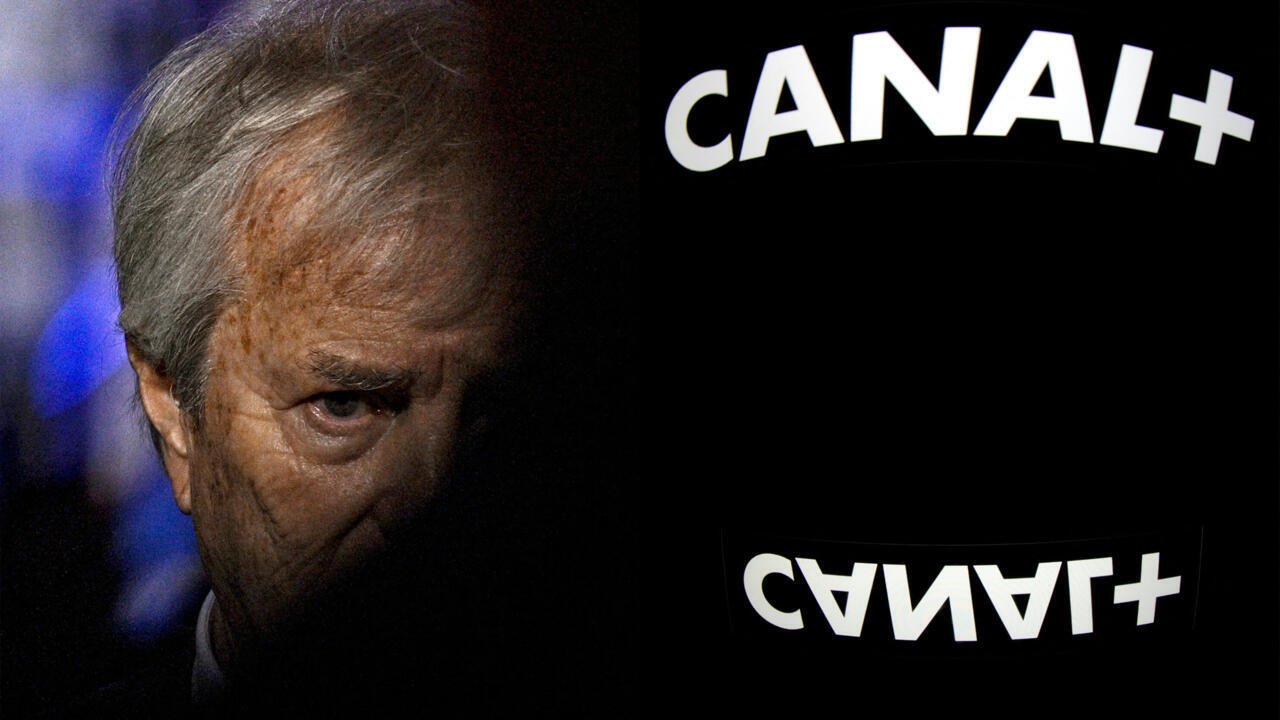
Canal+ has announced it will cease working with approximately 600 film and television professionals who signed a petition opposing owner Vincent Bolloré. The decision, made by Canal+ chairman Maxime Saada on the sidelines of the Cannes Film Festival, follows a public accusation that the billionaire controlling shareholder is advancing a far-right ideological agenda within the industry.
The petition, published in the daily newspaper Libération, was signed by prominent figures including actors Juliette Binoche and Gilles Lellouche, and director Cédric Klapisch. It accused Bolloré of leading a "reactionary, far-right civilisational project" and warned of a growing grip on French cinema. Saada stated he viewed the document as an injustice towards Canal+ teams committed to the company’s independence, declaring he no longer wished for the studio to work with the signatories.
The announcement has drawn immediate comparisons to McCarthyism, with observers noting the potential for career derailment similar to Hollywood’s darkest periods. France 24 culture journalist Olivia Salazar-Winspear described the move as recalling the 1940s era when the studio system sidelined individuals suspected of holding un-American views. The comparison highlights the outsized influence of Bolloré, who owns CNews and Europe 1, outlets frequently criticised for amplifying far-right narratives.
The financial stakes of the dispute are significant, given Canal+’s dominance in the sector. According to data from France’s national film funding body, the CNC, the Canal+ group received 43.6 per cent of all investments in French broadcasting and streaming content in 2024. The company pre-bought rights to 74 per cent of French feature films produced that year, contributing an average of €1.3 million per film. A three-year agreement signed in 2025 commits the group to investing at least €480 million in French cinema through 2027.
Bolloré’s ambitions extend beyond production financing. His group acquired a 34 per cent stake in UGC, France’s second-largest cinema chain, with a path to full ownership by 2028. Allegations of editorial interference include reports that Bolloré blocked the acquisition of François Ozon’s film Grâce à Dieu and pushed for the removal of references to France’s 1905 law separating church and state from the series Paris Police 1905. Union representatives argue the strategy is to control the entire production chain, a pattern previously observed in the press and publishing sectors under Bolloré’s ownership.
Despite the public fallout, no major filmmakers or producers have announced they would stop working with Canal+. The financial reality of the industry makes such a break difficult to imagine, with film journalist Estelle Aubin noting that without Canal+’s upfront investments, the entire ecosystem is at risk. The controversy has brought long-discussed tensions into the open at Cannes, forcing the industry to confront its structural dependence on a single media conglomerate.