US judge halts Trump administration move to revoke immigrant work permits
US District Judge Nathaniel Gorton issues temporary injunction against US Citizenship and Immigration Services policies, citing severe consequences for plaintiffs while legal challenge proceeds.
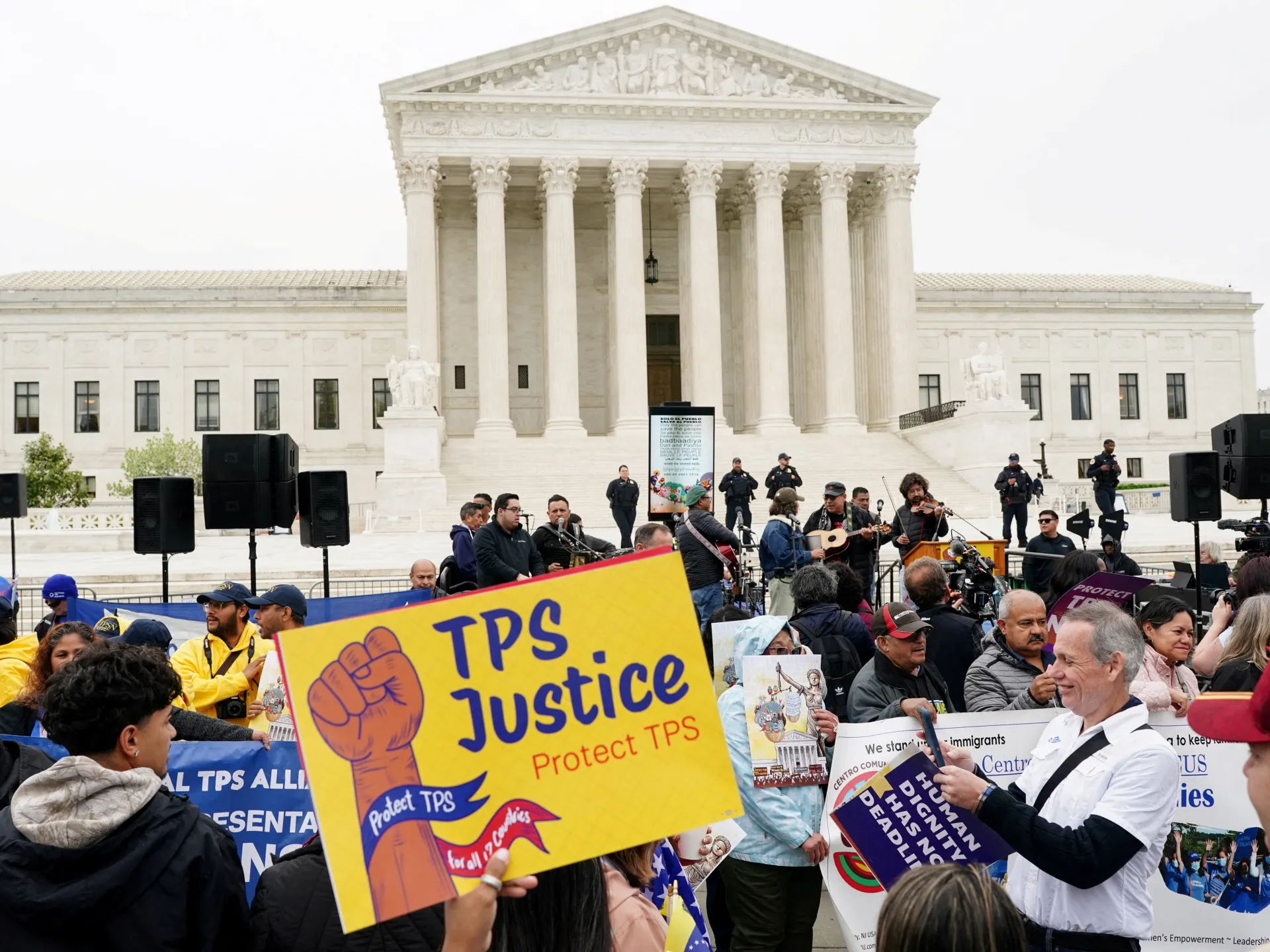
A United States federal judge has issued a temporary injunction preventing the Trump administration from revoking work permits for tens of thousands of asylum seekers and immigrants holding Temporary Protected Status (TPS). The ruling, handed down by US District Judge Nathaniel Gorton, specifically protects TPS holders from El Salvador, Sudan, and Ukraine from losing their work authorisation while a legal challenge proceeds.
The order halts the implementation of new US Citizenship and Immigration Services (USCIS) policies, including a new annual asylum fee and the removal of a decades-old rule requiring initial asylum work permit applications to be processed within 30 days. Judge Gorton sided with immigrant rights groups and labour unions, citing potentially severe consequences for the plaintiffs in a five-page order released on Tuesday.
The lawsuit, filed earlier this month by a coalition represented by the legal group Democracy Forward, challenges recent USCIS policy changes implemented under the "One Big Beautiful Bill Act" passed by Congress in July 2025. The legal challenge argues that USCIS made the policy changes without the required public input and challenged the retroactive application of the new rules to current TPS holders.
While the judge did not block the collection of the asylum fee itself, he temporarily blocked the consequences of non-payment, such as application rejection or permit termination. This interim measure ensures that thousands of individuals from El Salvador, Sudan, and Ukraine can maintain their employment status while the court considers the broader legal arguments regarding the administration's immigration agenda.
The Trump administration has made ending TPS protections a central part of its immigration strategy, having previously moved to terminate protections for more than a dozen countries. This legal battle follows a recent Supreme Court decision last month that allowed the termination of protections for Haitian and Syrian immigrants, indicating a broader trend in immigration policy enforcement.
A decision on whether to grant a longer-term injunction is expected by 5 August. Until then, the temporary block remains in place, preserving the status quo for those affected by the disputed USCIS directives. USCIS did not immediately respond to requests for comment regarding the ruling.