US judge forces withdrawal of subpoenas targeting New York Times reporters
A US federal judge rebuffed the Trump administration’s attempt to compel testimony from New York Times reporters investigating the security implications of a foreign-donated aircraft, marking a significant setback in the government’s effort to identify confidential sources.
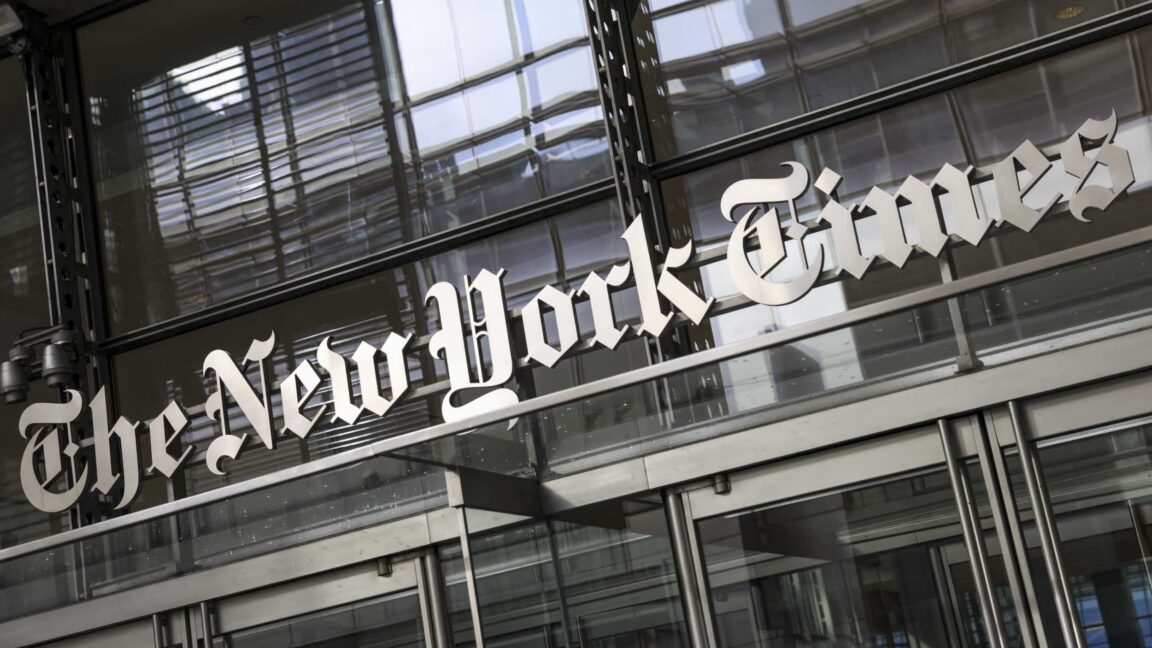
US District Judge Arun Subramanian has ruled that subpoenas issued by the Department of Justice to New York Times reporters are null and void, following intense scrutiny during a hearing on July 23, 2026. The order effectively forces the government to withdraw demands for phone records and grand jury testimony from journalists who had been investigating security concerns regarding Air Force One. The judge’s intervention represents a direct rebuff of the Trump administration’s attempts to unmask confidential sources in a federal criminal investigation.
The subpoenas had sought detailed communications data from the reporters, including phone and text messaging records, as well as testimony before a federal grand jury. During the hearing, Judge Subramanian questioned government lawyers for nearly an hour regarding their handling of the requests. He noted that subpoenaing journalists should be a last resort, stating that such actions are not the first step in an investigation but rather a matter of basic legal compliance. The government subsequently agreed to withdraw the challenged subpoenas, including those issued to third-party phone service providers.
A significant factor in the judge’s ruling was the inadvertent inclusion of phone records belonging to the reporters’ relatives. The government acknowledged that the subpoenas mistakenly encompassed the mother of one reporter and the spouses of two others. Justice Department counsel Sean Buckley admitted this was an error resulting from an attempt to move quickly, conceding that the records of relatives should not have been sought. The judge also noted that the government had omitted significant information in previous filings, including failing to disclose that the case pertained to journalists’ records when seeking to prevent a phone company from disclosing a record request.
The dispute centres on a New York Times investigation into the ethical and security implications of President Donald Trump accepting a $400 million Boeing jet from Qatar. The newspaper’s motion to quash the subpoenas argued that the reporting was in the public interest, contributing to knowledge about the Executive Branch, the President’s dealings with foreign nations, and the safety of an aircraft that transports the President and other officials. The motion alleged that FBI Director Kash Patel orchestrated the subpoenas from within the White House in response to the President’s anger over the coverage.
The Trump administration has strongly criticised the judge’s conduct, with a Department of Justice spokesperson claiming that the judge threatened attorneys with sanctions and blocked the presentation of the investigation’s process. The department maintained that the grand jury has a right to hear testimony from all material witnesses in a federal criminal investigation regarding leaks of classified information. However, the New York Times hailed the decision as an affirmation of press freedom, with newsroom lawyer David McCraw stating that the government had finally conceded the subpoenas violated the law.
This ruling follows a similar incident in January 2026, where the FBI seized devices from a Washington Post reporter who had compiled a contact list of government employees. A judge later halted that search, ruling that the government had probable cause only for a small fraction of the material seized. The current case highlights the ongoing tension between national security investigations and press freedoms in the United States.