US-Iran truce faces renewed pressure as Gulf states repel drone incursions
Qatar, Kuwait and the UAE report hostile aerial activity while Tehran warns of decisive retaliation against US vessels.
A fragile ceasefire between the United States and Iran, which took effect on 8 April, is facing renewed strain following a series of drone attacks across the Gulf region. While no casualties have been reported in the latest incidents, the escalation threatens the stability of the truce and highlights the continued volatility in the waters surrounding the Strait of Hormuz.
On Sunday, Qatar's Ministry of Defence confirmed that a drone struck a cargo ship in its waters northeast of the port of Mesaieed. The vessel, which had been arriving from Abu Dhabi, sustained a fire that was subsequently extinguished before it continued its journey to the port. The United Kingdom Maritime Trade Operations noted that while the projectile's origin was unknown, there was no reported environmental impact from the incident.
Simultaneously, Kuwait's Defence Ministry detected a number of hostile drones in its airspace at dawn. A spokesperson stated that the intruders were dealt with in accordance with established procedures, though the launch origin was not specified. These developments add to a pattern of aerial aggression, as the UAE Defence Ministry confirmed the interception of two UAVs launched from Iran, asserting that their air defence systems successfully engaged the threats.
Despite the ceasefire remaining in effect according to the Trump administration, the operational reality on the ground suggests a naval battle is continuing. The United States maintains a blockade of Iranian ports, while Tehran has restricted traffic through the Strait of Hormuz, a strategic waterway through which a fifth of traded oil transited prior to the conflict. This standoff has been exacerbated by recent US strikes on two Iranian oil tankers on Friday, which Tehran claims were attempting to breach the blockade.
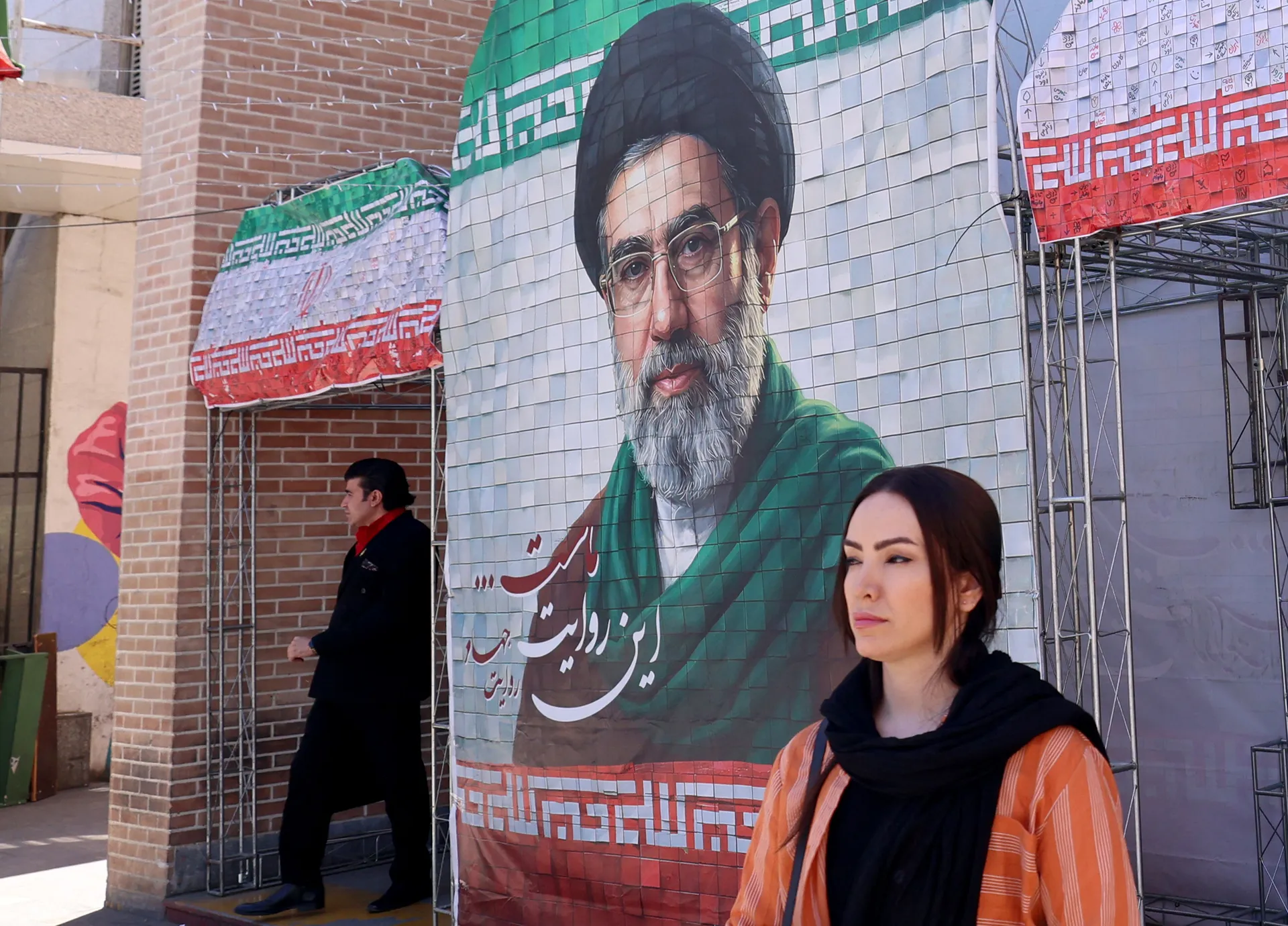
Iranian officials have signalled a hardening stance, with Ebrahim Rezaei, a spokesperson for the parliament's foreign policy and security committee, declaring that Tehran's restraint is over. He warned that any further aggression against Iranian vessels would be met with a heavy and decisive response against American vessels and bases in the region. President Masoud Pezeshkian reinforced this position, stating that ongoing negotiations do not equate to surrender but are instead aimed at realising the rights of the Iranian people.
Diplomatic efforts persist, with Qatar's Prime Minister Sheikh Mohammed bin Abdulrahman bin Jassim Al Thani pushing for mediation between the conflicting parties. However, both Washington and Tehran have indicated a desire to keep the contents of any negotiations private, leaving the core sticking points regarding frozen assets and war reparations unresolved as the region braces for further instability.