US-Iran MoU set to expire as diplomatic efforts stall and rhetoric escalates
Both nations accuse each other of violations, while mediators from Qatar and Pakistan continue engagement amid uncertainty over the ceasefire’s status.
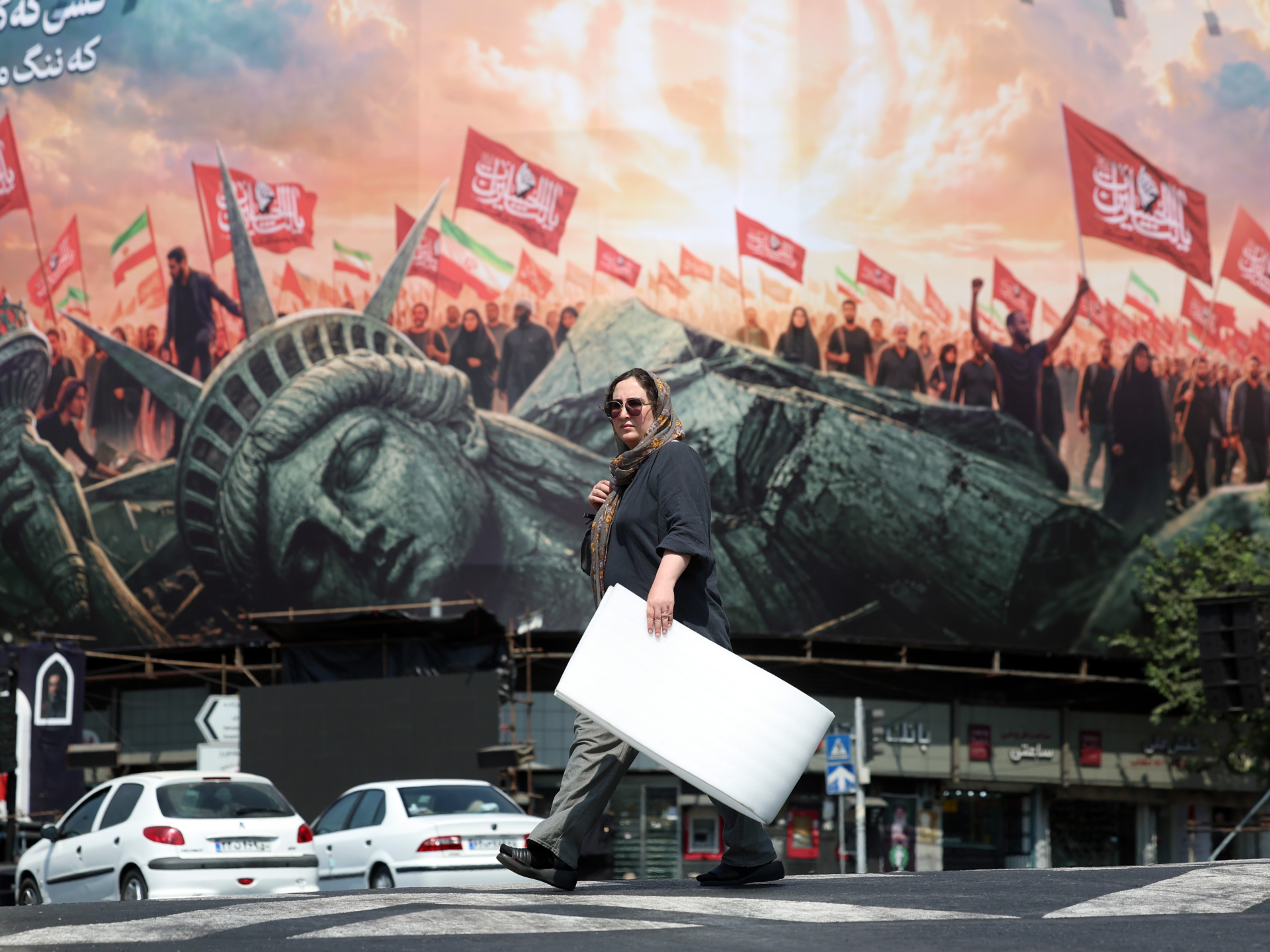
The Memorandum of Understanding between the United States and Iran, designed to end hostilities and secure the Strait of Hormuz, is set to expire on Monday with little indication that either side intends to extend the accord. Signed on June 17 by US President Donald Trump and Iranian President Masoud Pezeshkian following talks hosted by Pakistan, the agreement was intended to halt a three-month conflict that killed thousands and disrupted global oil exports. However, mutual accusations of violations have eroded the framework, leaving the status of the ceasefire and future diplomatic efforts in doubt.
Iranian Foreign Minister Abbas Araghchi confirmed on Saturday that no decision has been made to restart negotiations with the United States. Speaking on Telegram, Araghchi stated that Iran is working on a separate agreement with Oman regarding new shipping routes for the Strait of Hormuz, though he emphasised this is contingent on reaching a broader political solution. The Iranian Parliament Speaker, Mohammad Galibaf, declared that Iran emerged "victorious" in the war both militarily and politically, citing the concessions secured in the original memorandum as a source of national pride.
On the US side, President Trump has escalated rhetoric, announcing plans to formally claim the Strait of Hormuz as United States territory. Speaking in New York on Friday, Trump described Iran as "being very badly defeated" and stated he would soon declare the waterway a US territory. Concurrently, US Treasury Secretary Scott Bessent announced that the United States would apply unprecedented economic measures against Iran, signalling a continued hardline approach despite the agreement’s impending expiration.
The breakdown of the accord has been marked by continued military engagements and divergent interpretations of the terms. The Pentagon reported firing on a Panama-flagged cargo vessel in the Strait of Hormuz earlier this week for violating the US blockade. Iran has accused the US of failing to lift sanctions, remove its naval blockade, and withdraw forces, while the US has pointed to Iranian strikes in the region as violations. Analysts note that Iran’s recent appointment of former IRGC head Mohsen Rezaee as head of the Supreme National Security Council signals a tougher stance in any future talks.
Mediators from Qatar and Pakistan continue to engage with Iran, but the expiration of the MoU leaves the diplomatic outlook uncertain. Experts suggest that any new negotiations would likely involve Iran demanding more, including an end to the war in Gaza and the denuclearisation of Israel. With US military and economic levers appearing constrained, the resolution of the conflict may depend on political timelines, potentially extending beyond the current administration’s immediate pressures.