US-Iran Hostilities Agreement Erodes as Gulf Infrastructure Sustains Damage
NHK News Japan reports that the accord aimed at ending US-Iran hostilities is losing its efficacy, with daily attacks continuing and infrastructure in Gulf states suffering damage.
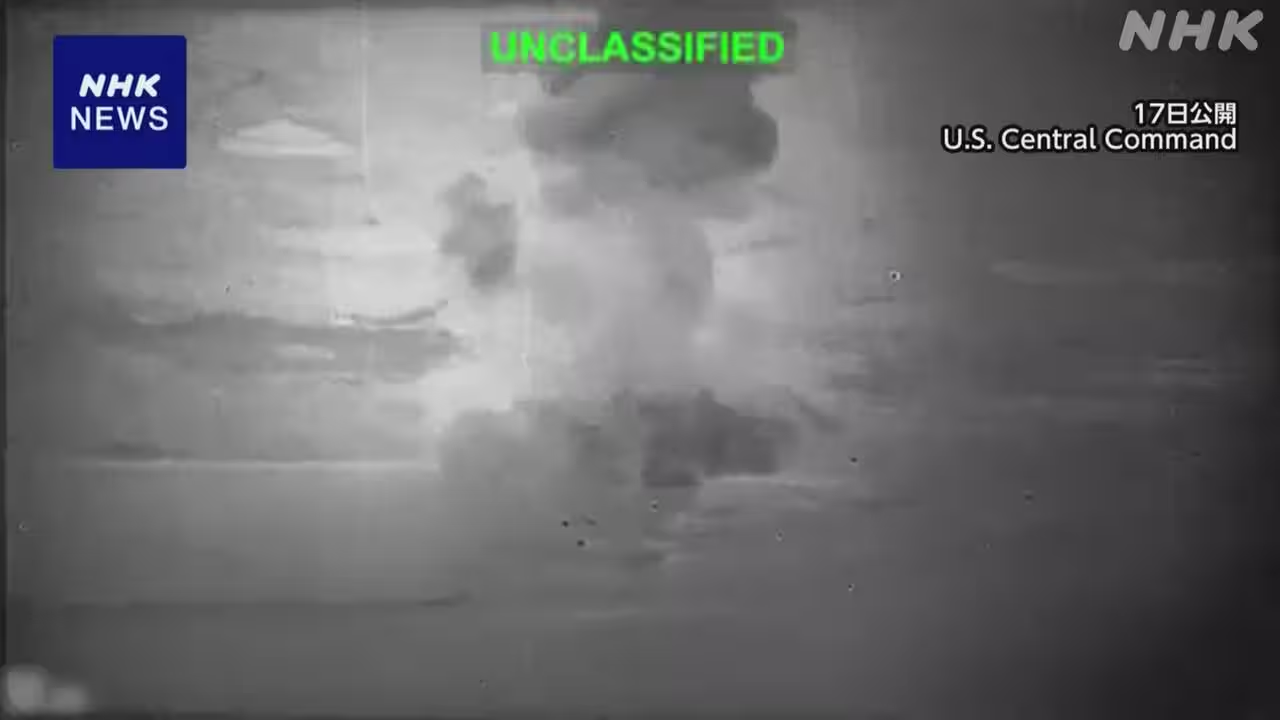
It has been one month since the United States and Iran signed a memorandum intended to bring an end to their hostilities, yet the agreement appears to be faltering significantly. According to reporting by NHK News Japan, daily retaliatory attacks have persisted throughout the past week, undermining the diplomatic framework established to de-escalate tensions in the region.
The continued violence has had tangible consequences beyond the immediate belligerents. Infrastructure facilities across Gulf states have sustained damage, highlighting the spillover risks of the ongoing conflict. The affected nations, including Kuwait, Bahrain, and Qatar, remain vulnerable to the instability generated by the unresolved dispute between Washington and Tehran.
Observers and analysts are increasingly concerned that the memorandum is becoming ineffective. The agreement is described as being "hollowed out," a term indicating that while the document exists, its enforcement and adherence have eroded. This structural weakness suggests that the political will to maintain the ceasefire may be insufficient to halt the cycle of violence.
The persistence of these attacks raises serious questions about the durability of the current diplomatic arrangement. With the situation showing no signs of abating, there are growing fears that the conflict could further deteriorate, potentially drawing in more regional actors or escalating the scale of the damage to critical infrastructure.
As the one-month mark of the memorandum passes, the lack of a sustained cessation of hostilities indicates a significant challenge for international diplomacy. The gap between the signed agreement and the reality on the ground continues to widen, leaving the future of stability in the Middle East uncertain.