China warns UK over British Steel nationalisation, demands fair resolution
The UK government has fully nationalised British Steel on national security grounds, prompting a stern response from China’s Ministry of Foreign Affairs and demands for compensation from owner Jingye Steel.
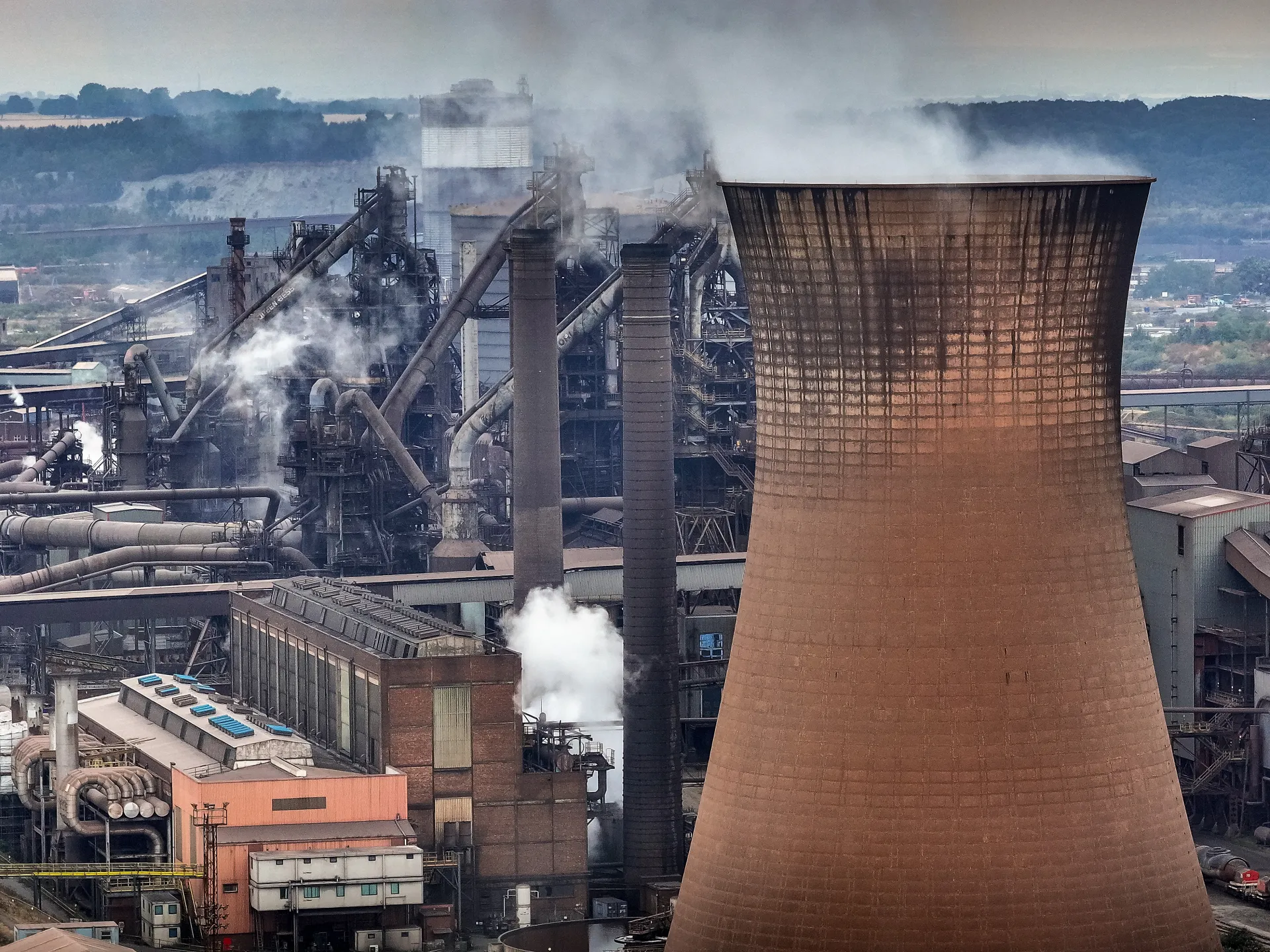
China’s Ministry of Foreign Affairs has issued a formal warning to the United Kingdom regarding the full nationalisation of British Steel, stating that the handling of the matter will impact Chinese investors’ confidence in the UK’s investment climate and the British government’s credibility. The UK government took over the loss-making company on national security grounds. Beijing stated that the handling of the matter will affect Chinese investors' confidence and urged Britain to provide a mutually acceptable solution, including compensation. Jingye has demanded compensation for losses incurred since purchasing the steelmaker in 2020.
The nationalisation was completed on Thursday, following the UK government taking operational control in April 2025 while Jingye retained ownership. In March 2025, Jingye concluded that the British Steel furnaces were not financially sustainable and subsequently cancelled orders for a key material, raising fears of a shutdown. Closing the Scunthorpe plant would leave the UK as the only G7 country without the ability to produce virgin steel.
Jingye Steel reported losing £700,000 ($942,000) per day by 2025, having purchased British Steel for £70 million ($94m) in 2020. The Chinese firm, which is among the 100 biggest companies in China, has demanded compensation for losses incurred since purchasing the steelmaker in 2020. The specific amount of compensation Jingye is seeking has not been disclosed.
British Steel supports approximately 2,700 jobs at its main steelworks in Scunthorpe and thousands more across the wider supply chain. The nationalisation process has been underway for more than a year. The UK government stated the move is vital for securing major infrastructure projects and national security.
The timeline for a "mutually acceptable solution" proposed by China remains undefined. The long-term diplomatic repercussions for UK-China investment relations are speculative at this stage. The issue has drawn widespread attention in China, with the Chinese Foreign Ministry stating that how Britain handles the matter will directly affect Chinese investors’ confidence in the UK’s investment climate and shape public perceptions in China of the British government’s credibility.