Iraq signs $60 billion US deal package to bypass Strait of Hormuz
A major reconstruction of the Iraq-Syria crude oil pipeline, led by Chevron, forms the cornerstone of a strategic shift to reduce Baghdad’s reliance on vulnerable maritime shipping routes.
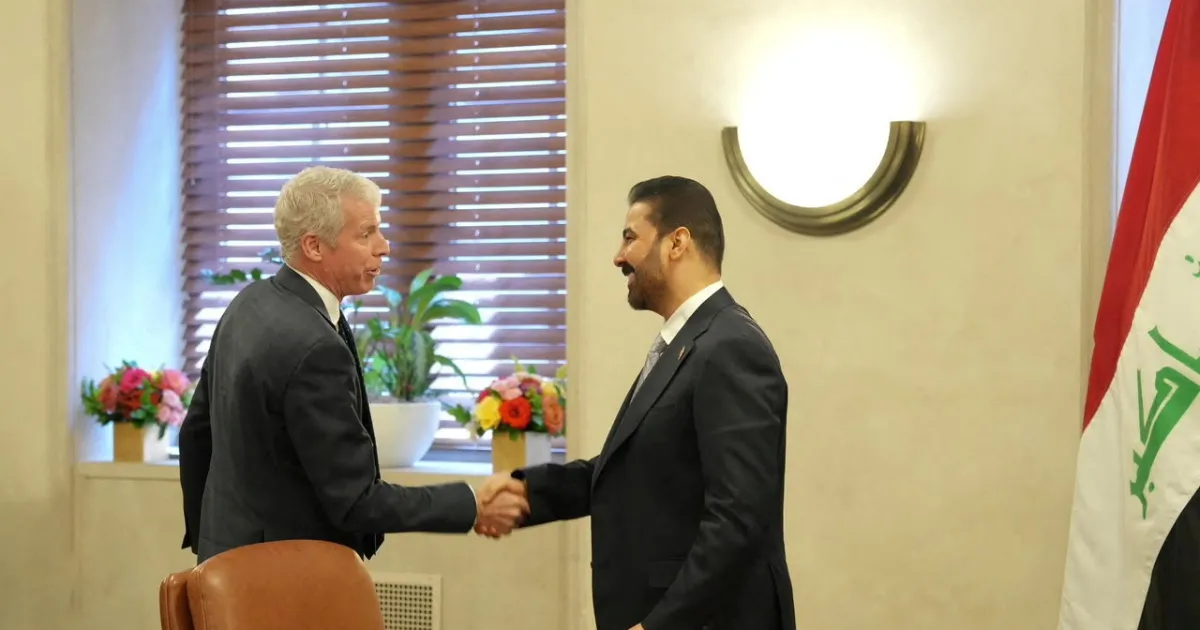
Iraq has formalised 48 agreements with United States companies during Prime Minister Ali al-Zaidi’s visit to Washington, with preliminary valuations exceeding $60 billion. The deals, signed at a US-Iraq business summit hosted by the US Chamber of Commerce on Friday, span the energy, healthcare, and technology sectors. The Iraqi leader’s media office confirmed the count includes memoranda of understanding, cooperation agreements, and partnership declarations between public and private entities in both nations.
Central to the agreement is the reconstruction of the long-defunct Iraq-Syria crude oil pipeline, a project led by Chevron. The infrastructure will transport crude oil from the oil-rich Kirkuk region in northern Iraq to the Mediterranean port of Baniyas in Syria. This route is designed to bypass the Strait of Hormuz, a critical shipping chokepoint where Iraqi exports have faced significant disruptions due to the ongoing US-Israel war against Iran.
The US Department of State welcomed the initiative, stating that a US-led international consortium would execute the technical and financial aspects of the pipeline rehabilitation. According to the department, the completed corridor will possess an initial transport capacity of two million barrels per day, serving as a critical link between Iraqi production and Mediterranean export markets.
Beyond the pipeline, the agreement package includes partnerships with major energy and electricity firms such as ExxonMobil, KBR, GE Vernova, Shell, and Halliburton. Chevron has also signed two separate agreements with Iraq aimed at boosting domestic oil production. In the technology sector, Iraq has entered a service agreement with Starlink to introduce satellite communications services to the country.
US Ambassador to Turkiye, Tom Barrack, described the pipeline agreements as a strategic move that would render the Strait of Hormuz an "afterthought." Prime Minister al-Zaidi emphasised an "open-door policy" for potential investors at the summit, signalling Baghdad’s intent to diversify its economic partnerships and secure alternative export routes amidst regional instability.