US-Iran confrontation framed as psychological contest of leverage and resolve
Analysis suggests the escalating dynamic between the two nations is a dangerous game of high risk and high reward rather than a straightforward military engagement
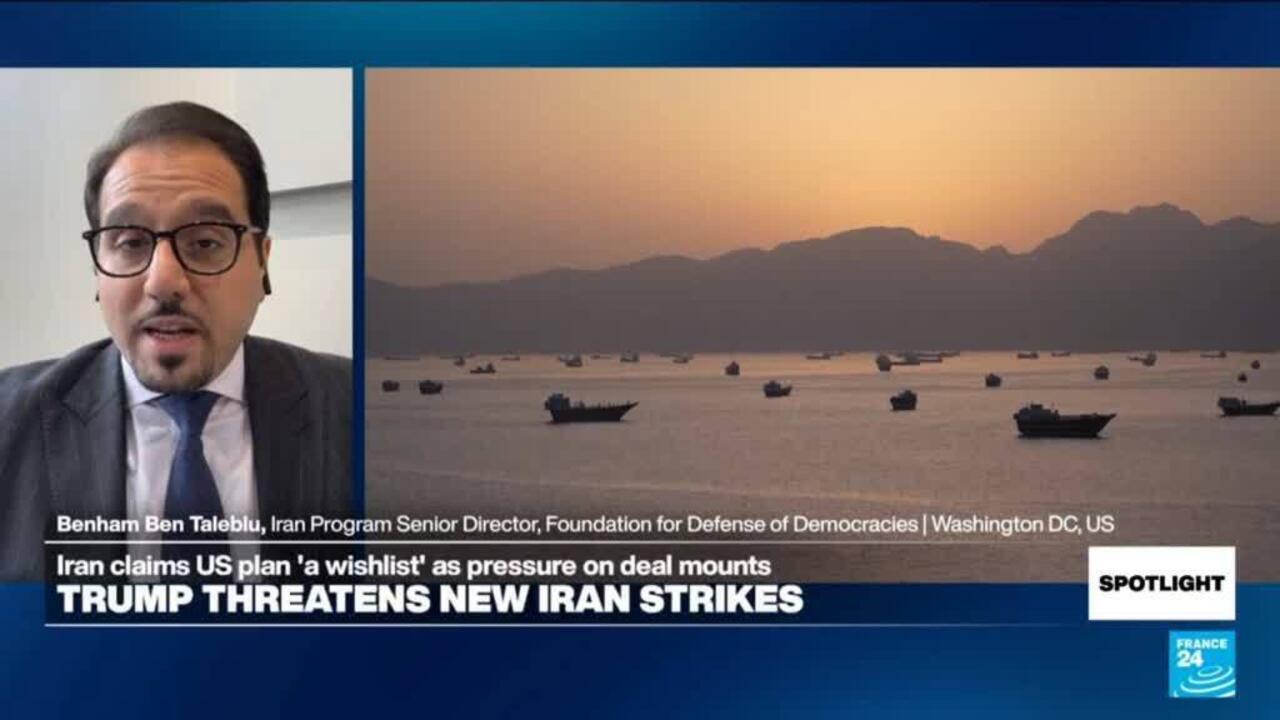
Behnam Ben Taleblu, Senior Fellow at the Foundation for Defense of Democracies, characterises the current confrontation between the United States and Iran as a dangerous psychological contest of leverage and resolve. The analysis, presented by the think tank focused on US foreign policy and national security issues, suggests that the situation extends beyond traditional military or economic engagement to become a performative struggle over narratives.
According to Taleblu, Tehran is actively probing Washington's tolerance for escalation to gauge the administration's risk appetite. He asserts that the Islamic Republic is looking at the play to the edge to determine whether the Trump administration is risk averse or risk tolerant. This strategic probing indicates that the conflict is driven by a contest of perceived resolve rather than solely by concrete military or economic moves.
The dynamic is described as a high-risk, high-reward game where both sides are engaged in testing the limits of the other. Taleblu argues that the Islamic Republic is using this phase to see how far it can push the Trump administration before facing a definitive response. This approach frames the interaction as a contest over narratives where the perception of strength is as critical as the actual deployment of force.
The Foundation for Defense of Democracies highlights that this escalating confrontation represents a complex evolution in US-Iran relations. By focusing on the psychological aspect, the analysis suggests that the immediate actions taken by either side may be less significant than the message they send regarding future tolerance for aggression. The core of the dispute lies in determining the boundaries of acceptable behaviour within the current geopolitical landscape.
Taleblu's assessment indicates that the Trump administration is currently being tested on its willingness to engage in a high-stakes gamble. The outcome of this psychological contest will likely dictate the trajectory of the relationship between Washington and Tehran in the coming period. The analysis serves as a strategic interpretation of the tension, noting that the specific nature of recent actions constituting the escalation is not detailed but the intent to test resolve is clear.
This perspective underscores the volatility inherent in the current standoff, where the primary objective appears to be establishing a new baseline for risk tolerance. The Foundation for Defense of Democracies maintains that understanding this performative element is crucial for interpreting the broader security situation. As the contest of leverage continues, the focus remains on how both nations manage the psychological pressures of the confrontation.