French carrier deploys to Strait of Hormuz as diplomatic stalemate persists
President Macron and Prime Minister Starmer lead multinational effort to reopen the waterway, proposing a framework that trades guaranteed passage for nuclear negotiations
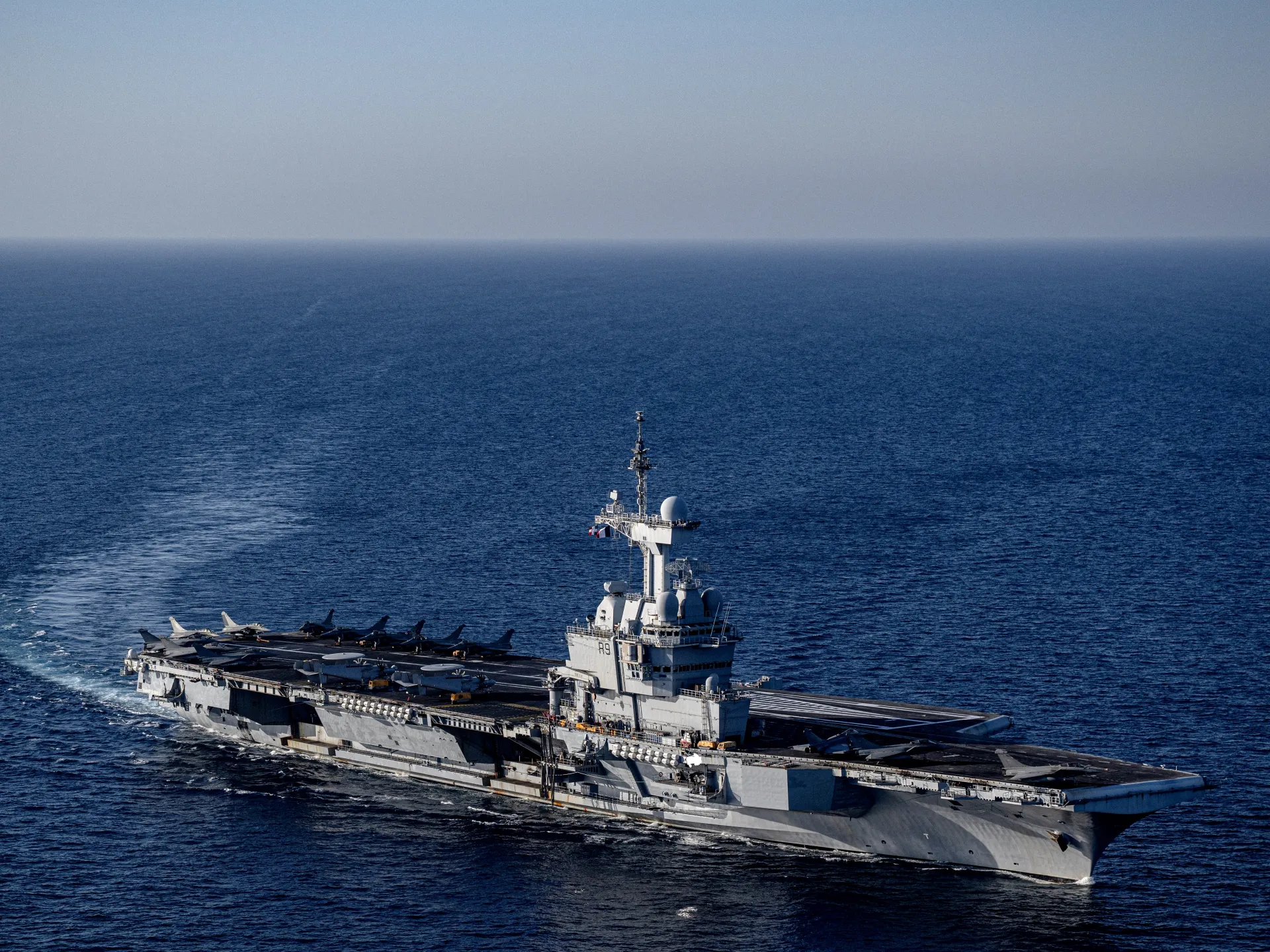
The French Ministry of Armed Forces has confirmed that the nuclear-powered aircraft carrier Charles de Gaulle is en route from the Red Sea towards the Strait of Hormuz. This deployment is part of a multinational initiative led by French President Emmanuel Macron and British Prime Minister Keir Starmer aimed at restoring safe navigation through the strategically critical waterway. Officials state the mission is entirely defensive and is intended to occur only after the active hostilities of the US-Israel war on Iran have ceased.
Prior to the current conflict, approximately 20 per cent of the world's traded oil transited through the Strait of Hormuz, which has been effectively blocked since the war began. While Macron noted on social media that the carrier's presence may help restore confidence among shipowners and insurers, he emphasised that the operation remains distinct from the parties currently at war. The French President indicated he has engaged in dialogue with Iranian President Masoud Pezeshkian and intends to raise the matter with US President Donald Trump.
France is presenting the deployment as a win-win solution designed to incentivise both Tehran and Washington to agree to a diplomatic resolution. The proposed framework suggests that Iran would gain guaranteed passage for its ships through the strait in exchange for committing to negotiate with the US regarding nuclear materials, missiles, and regional issues. In return, the proposal stipulates that the United States would lift its blockade of the Strait of Hormuz upon obtaining Iran's commitment to these negotiations.
Concurrently, US President Donald Trump has signalled progress in negotiations to conclude the conflict, asserting that talks are advancing favourably. However, this diplomatic optimism clashes with the stance taken by Iran, which states it is still reviewing the US proposal and has not yet presented a formal response to Pakistani mediators. While US media outlets report that the two sides are close to agreeing on a memorandum to end the conflict, Tehran maintains that the investigation into exchanged texts is ongoing.
The French presidency official told the AFP news agency that a return to calm in the strait would help advance negotiations on nuclear issues, ballistic matters, and the regional situation. Macron wrote that the mission aims to restore freedom of navigation and support the broader diplomatic process. Despite the conditional nature of the deployment, the move underscores the continued international concern over the security implications of the blockade on global trade routes.
As the Charles de Gaulle heads south of the Suez Canal, the situation remains fluid. The exact timing of the French deployment is conditional on the cessation of hostilities, which remains uncertain given the divergent timelines reported by Washington and Tehran. The French government maintains that their intervention is a necessary step to ensure the waterway remains open once the immediate conflict concludes.