US intensifies Iran campaign as ceasefire talks collapse and nuclear pact looms
The Trump administration advances a nuclear technology agreement with Saudi Arabia while military operations degrade Iranian capabilities in the Strait of Hormuz.
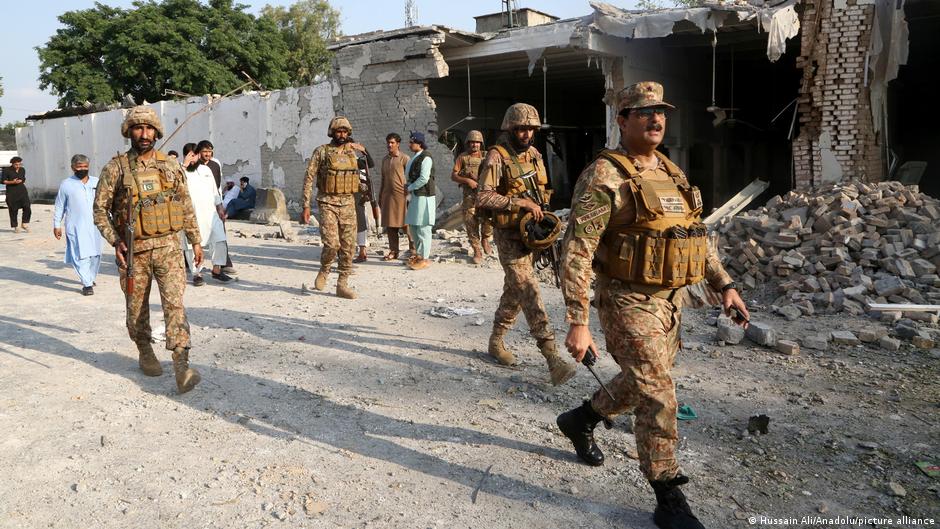
The United States military conducted an 11th consecutive night of strikes on Iran early Wednesday, targeting aircraft hangars and drone storage sites to degrade Tehran’s capacity to threaten commercial shipping in the Strait of Hormuz. US Central Command confirmed the operations began at 2300 GMT, following a pattern of escalating attacks that have drawn sharp responses from Iranian air defence systems across Tehran and in the north-western and southern regions, including explosions in Bushehr.
President Donald Trump declared that the United States was “not finished” with the campaign, warning that Iran faces a recovery period of 20 to 25 years. The military action follows Iranian strikes on Gulf states and threats by Houthi allies to blockade Saudi ports. Concurrently, diplomatic efforts in Pakistan to salvage an interim ceasefire have collapsed, leaving the region in a state of heightened military tension.
In a significant policy development, the Trump administration plans to submit a nuclear technology pact with Saudi Arabia to Congress in the coming days. The proposed 123 Agreement, signed last year by US Energy Secretary Chris Wright and Saudi Minister of Energy Abdulaziz bin Salman, would facilitate nuclear power technology sharing. However, sources indicate the document lacks safeguards that the United States has previously stated are necessary to prevent materials from being used in nuclear weapons programmes.
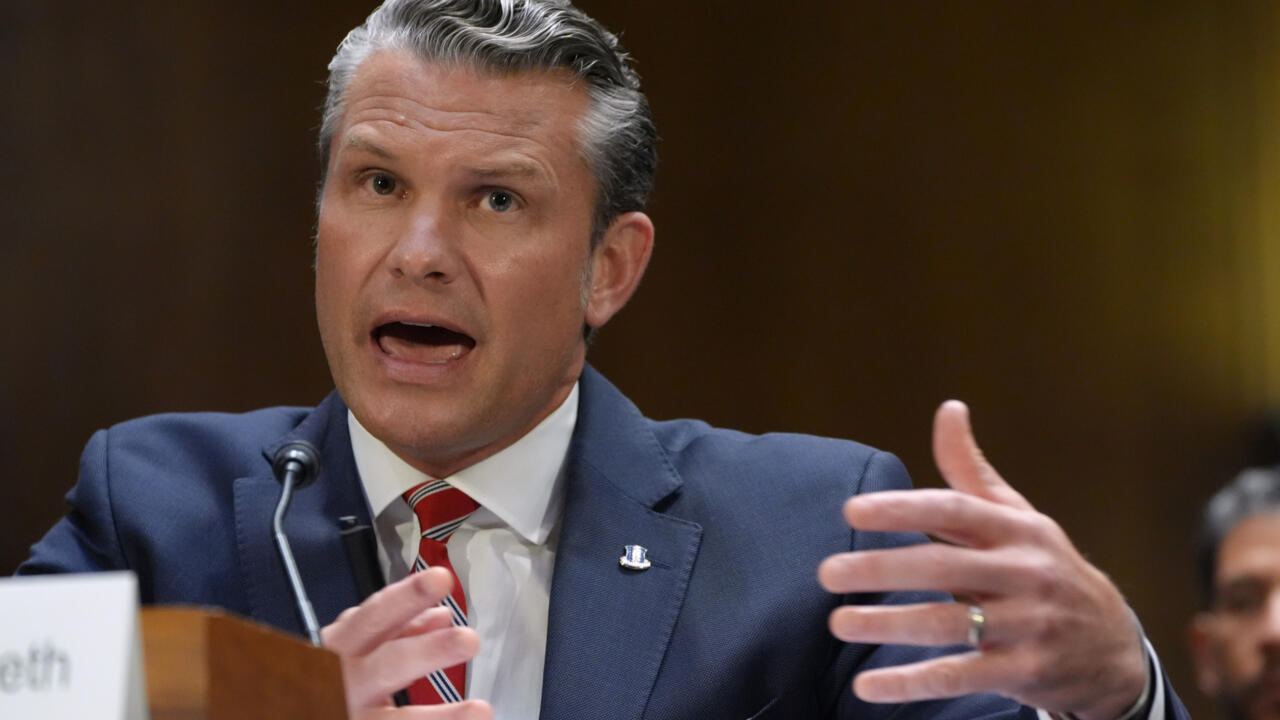
The human and financial toll of the conflict continues to mount. Defense Secretary Pete Hegseth reported that the war has cost $37.5 billion so far, as he faces scrutiny from senators regarding war funding. President Trump also attended a dignified transfer ceremony for US military personnel killed in Iranian attacks at Dover Air Base in Delaware on Wednesday, underscoring the domestic political weight of the ongoing operations.
Regional dynamics have further complicated the security landscape, with Lebanon’s military reporting that Israeli troops fired near its soldiers in a pilot zone under a US-backed agreement. Israel described the fire as warning shots. Meanwhile, President Trump met with Lebanese President Joseph Aoun, vowing to assist with the Hezbollah problem, signalling a broadening of US diplomatic and military engagement across the Middle East.