US inflation hits three-year high as energy costs and geopolitical tensions weigh on economy
Markets stumble ahead of Federal Reserve policy meeting under new Chairman Kevin Warsh, as investors price in higher interest rates amid Middle East instability
US consumer inflation accelerated to its fastest pace in three years in May, rising 4.2 per cent year-on-year according to data released by the Bureau of Labor Statistics. The increase, which follows a 0.6 per cent rise in April, is being driven primarily by a 3.9 per cent surge in energy costs, compounding financial pressures on households as the US Federal Reserve prepares for its next policy meeting.
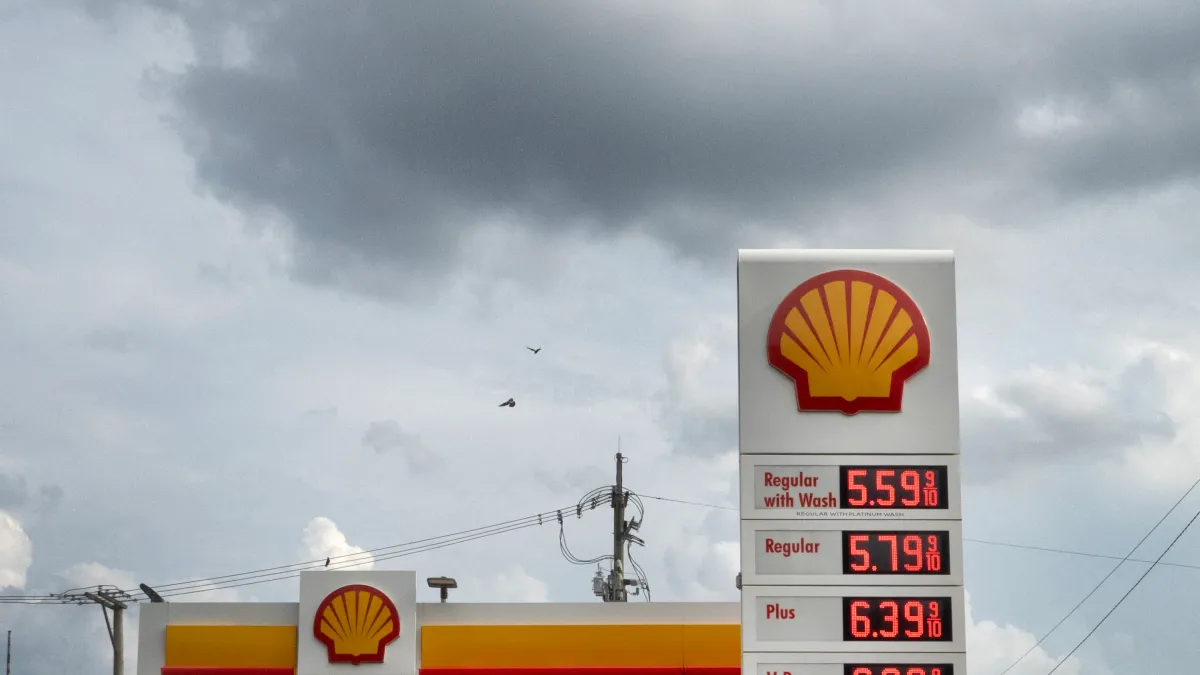
Petrol prices have become a central source of inflationary pressure, jumping 7 per cent month-on-month to an average of $4.15 per gallon, according to the American Automobile Association. This represents a sharp escalation from the $2.98 per gallon recorded in late February, coinciding with a period of heightened geopolitical tension in the Middle East. The surge in fuel costs has contributed to a 0.1 per cent decline in real wage growth for the second consecutive month, signalling that earnings are failing to keep pace with the cost of living.
The inflationary environment has triggered immediate volatility in financial markets. Major indices retreated, with the S&P 500 down 1 per cent, the Dow Jones Industrial Average falling 1.3 per cent, and the Nasdaq dropping 1.4 per cent. Spot gold prices also declined by 2.6 per cent to $4,151.86 per ounce, reaching a two-month low as expectations for tighter monetary policy dampened demand for non-yielding assets.
Oil markets reflected the ongoing strain, with Brent crude futures climbing to $92.90 a barrel and West Texas Intermediate rising to $90 a barrel. These price movements occur against a backdrop of significant regional instability, including an incident where Iran shot down a US Army AH-64 Apache helicopter over the Strait of Hormuz. The US President has characterised the incident as an act of war, suggesting that disruptions to energy supplies are a key factor in the current economic climate.
Looking ahead, the data has intensified expectations of future interest rate hikes by the US Federal Reserve. The central bank is scheduled to hold its next policy meeting under new Chairman Kevin Warsh, who assumed leadership after Jerome Powell’s term ended. While CME Fed Watch forecasts a 96 per cent probability that rates will remain steady at the upcoming meeting, analysts project a significant likelihood of increases in the coming months, with Goldman Sachs suggesting that rate cuts may not occur until mid-to-late 2027.
Economists warn that the combination of rising shelter and food costs, alongside persistent energy inflation, is creating tangible hardship. Heather Long, chief economist at Navy Federal Credit Union, noted that Americans are facing real financial pressures, particularly among middle-class and lower-income households. The Bureau of Labor Statistics data indicates that while food price growth has slowed slightly, the overall trajectory of inflation remains stubbornly high, offering little relief to consumers.