US indictment against Sinaloa governor marks shift in strategy to target sitting foreign officials
An unsealed indictment in New York accuses the Mexican state leader of facilitating cartel operations during his 2021 election campaign, prompting warnings that the move could strain diplomatic ties and set a precedent for future prosecutions.
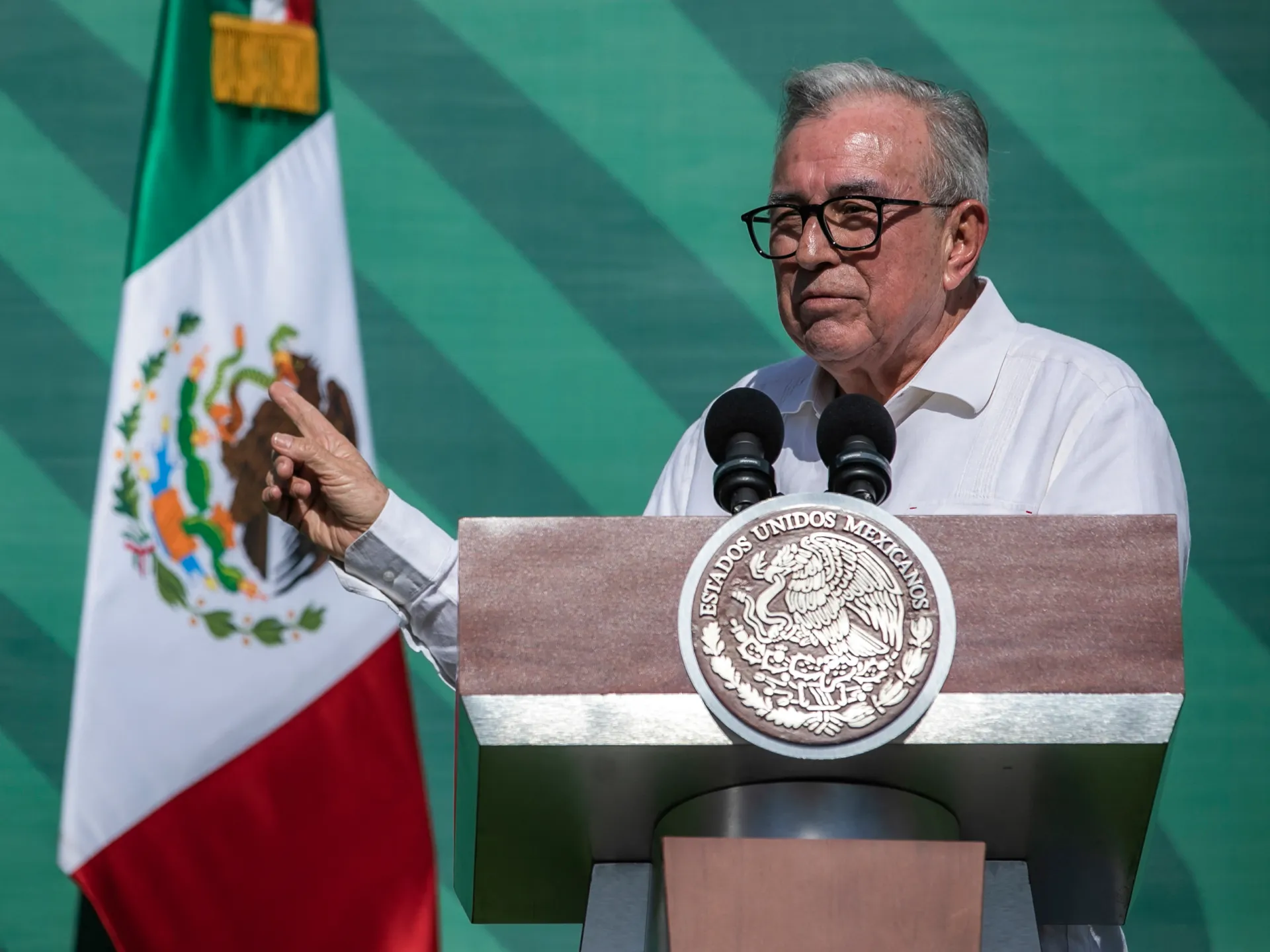
US prosecutors have unsealed an indictment in New York alleging that Mexico's Sinaloa state Governor Ruben Rocha Moya and nine current or former officials collaborated with the Sinaloa drug cartel to smuggle narcotics into the United States. The charges assert that these officials exchanged political support and bribes for the cartel's assistance, marking a significant escalation in the federal approach to organised crime.
According to the indictment, cartel operatives aided Governor Rocha Moya's 2021 election victory by kidnapping opposition candidates, threatening rivals, and stealing ballot papers. Prosecutors claim that Enrique Diaz Vega, who later became the governor's secretary of administration and finance, provided the cartel with lists of opponents' names and addresses to facilitate these intimidation tactics. Most of the suspects are linked to the sons of Joaquin "El Chapo" Guzman, the former leader of the Sinaloa Cartel who is currently serving a life sentence in the US.
Terrance Cole, administrator of the US Drug Enforcement Administration (DEA), described the Sinaloa Cartel as a designated terrorist organisation that relies on corruption to drive violence and profit. In a statement, Cole argued that the indictment exposes a deliberate effort to undermine public institutions and put American lives at risk, noting that the defendants allegedly used positions of trust to protect cartel operations.
The Mexican government has responded by stating that the provisional arrest requests lack sufficient evidence. Officials confirmed receipt of the documents but noted that no supporting evidence was attached. Governor Rocha Moya has categorically rejected the accusations, calling them a baseless political attack against himself and the governing Morena movement rather than a legitimate legal inquiry.
Legal experts suggest this case represents a major shift in Washington's strategy, describing the targeting of a sitting foreign official as a "nuclear option" that could set a precedent for future indictments. Vanda Felbab-Brown, an expert at the Brookings Institution, noted that while the governor is the focal point, the case reflects a broader sweep against the alleged crime-politics nexus in Sinaloa.
The development adds diplomatic pressure on Mexican President Claudia Sheinbaum, who must balance US relations, particularly regarding USMCA negotiations, with domestic political stability within her Morena party. Felbab-Brown warned that Sheinbaum faces a difficult choice: failing to act could alienate the US, while acting against a senior party figure could undermine her control over the Morena party and jeopardise her political position.