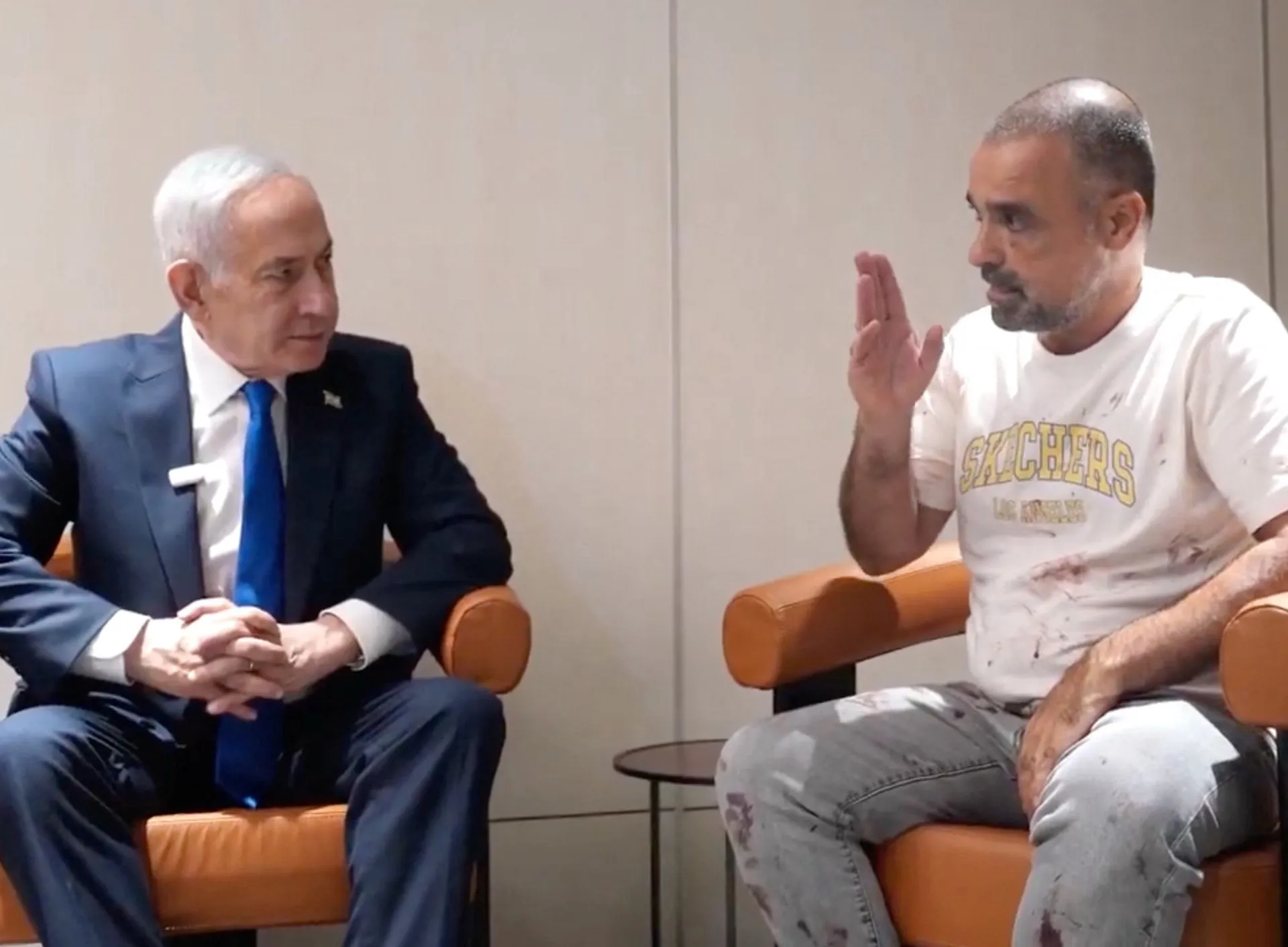
US imposes unilateral ceasefires in Iran and Lebanon, sidelining Israel
President Donald Trump has extended the truce in Lebanon and ordered a pause in operations in Iran without consulting Israeli leadership, sparking concerns in Jerusalem about a strategic rupture and domestic political fallout.
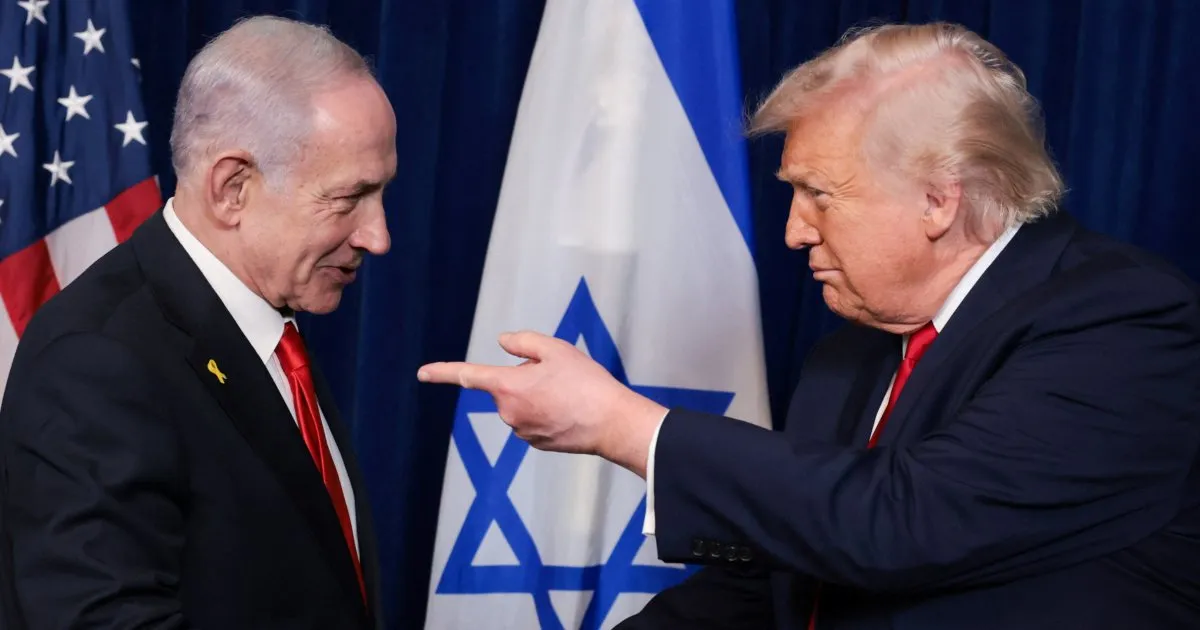
President Donald Trump has unilaterally imposed a three-week ceasefire extension in Lebanon and ordered a pause in military operations in Iran. These decisions were made without including Israeli leadership in the negotiations, effectively sidelining Prime Minister Benjamin Netanyahu despite his repeated warnings regarding existential threats from Iran and Hezbollah.
The exclusion of Israel from the decision-making process has left Israeli leaders concerned about their loss of control over the conflict. Analysts indicate that the United States holds decisive influence over the outcome, leaving Prime Minister Netanyahu facing domestic political backlash over the unpopular ceasefires. This shift marks a significant departure from the dynamic where Israeli ambitions previously drove US policy in the region.
Diplomatic efforts are currently underway to formalise these pauses, with US envoys Steve Witkoff and Jared Kushner heading to Pakistan to mediate talks with Iran. Iranian Foreign Minister Araghchi is scheduled to arrive in Islamabad on the night of 24 April 2026 to lead a delegation for these US-mediated discussions. However, the specific terms of the ceasefire extension in Lebanon and the duration of the pause in Iran beyond the initial three weeks remain undetailed.
The move has exposed the principal cheerleader of both conflicts to domestic political jeopardy within Israel. Polls conducted by the Israel Democracy Institute and the Hebrew University of Jerusalem indicate overwhelming support among Jewish Israelis for continuing the conflict, even if it causes friction with the US. Two-thirds of Israelis polled by the Hebrew University of Jerusalem specifically oppose the ceasefire in Iran, reflecting a public sentiment that prioritises military objectives over diplomatic concessions.
Critics within the Israeli government have argued that the current administration has failed to convert military achievements into diplomatic gains. Former Israeli Chief of Staff Gadi Eisenkot and opposition leader Yair Lapid have criticised the government for this inability. Alon Pinkas, a former Israeli ambassador, noted that while the Iranian regime remains standing and the Islamic Revolutionary Guard Corps is in a stronger position, Trump's desire to exit the conflict marks a strategic defeat for Israel regardless of military outcomes.
The sustainability of the US military blockades faces significant domestic political constraints in Washington, with a 60-day window for unilateral offensive action without congressional approval set to expire around 1 May. This timeline adds pressure to the ongoing negotiations, as the US seeks to resolve the situation before its legal authority to conduct offensive operations lapses.