US imposes tariffs on 60 nations citing forced labour enforcement gaps
New duties of up to 12.5% target 99% of imports, with exemptions for energy goods and USMCA partners, as the White House seeks durable trade authority following judicial setbacks.
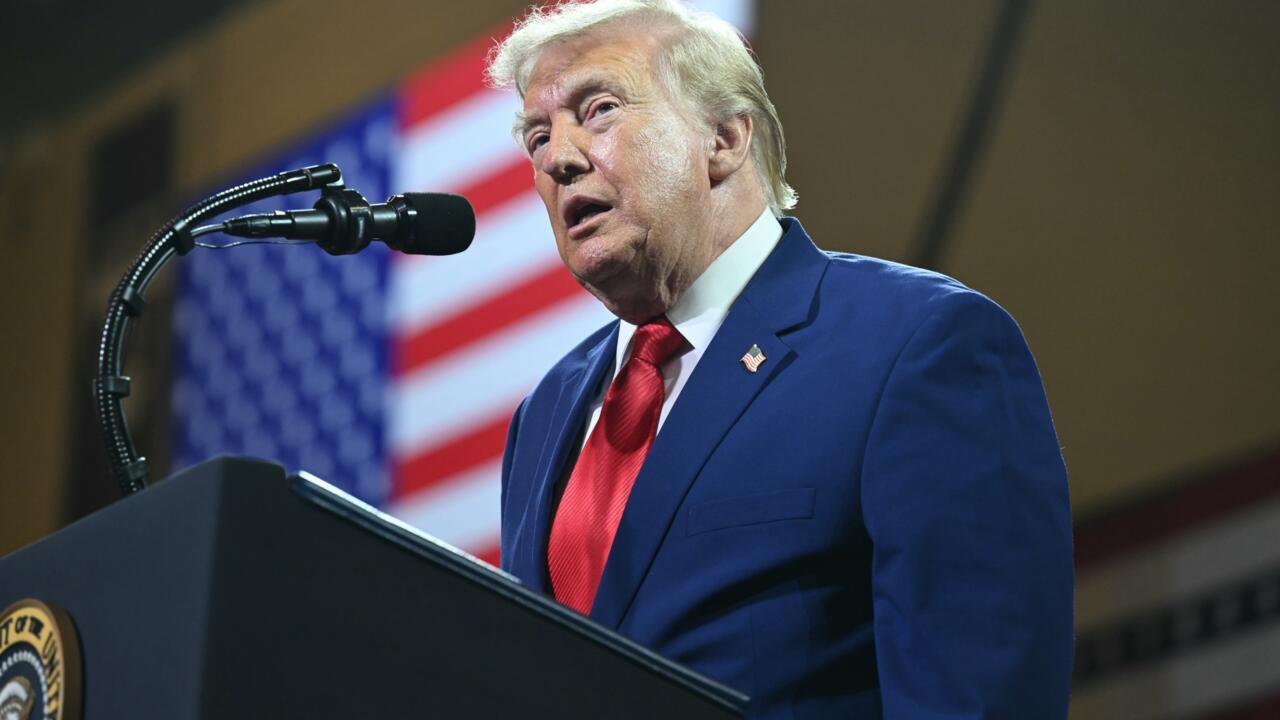
The United States has imposed new tariffs of up to 12.5% on imports from 60 countries, citing inadequate enforcement of bans on goods produced by forced labour. Announced by the White House on Thursday, the duties are implemented under Section 301 of the Trade Act of 1974 and are set to take effect just as temporary 10% worldwide levies under Section 122 expire at 12:01 a.m. Friday.
The new measures replace temporary tariffs that were introduced after the Supreme Court struck down earlier trade actions based on the International Emergency Economic Powers Act. While the previous measures required refunds to importers, Section 301 provides a more durable legal framework, allowing the president to impose taxes on countries engaging in unjustifiable or discriminatory trade practices.
The tariffs affect 99% of US imports, though specific exemptions have been granted for oil, gas, fertilisers, and goods qualifying for duty-free status under the US-Mexico-Canada Agreement. Some nations have already adjusted their policies to qualify for reduced rates; for instance, the tariff on imports from India was lowered from 12.5% to 10% following tightened enforcement of forced labour bans.
Beyond the immediate duties, the US Trade Representative’s office has launched a probe into 16 countries, which account for 70% of US imports, to determine if they are overproducing goods. This investigation could lead to further Section 301 tariffs if the administration concludes that such production disadvantages American companies.
Human rights experts have urged a phased implementation to allow countries time to build meaningful enforcement mechanisms. Martina Vandenberg of The Human Trafficking Legal Center noted that while import bans are not a silver bullet, they have spurred global responses, including policy amendments in India and the European Union’s upcoming forced labour regulations.