US House vote fractures decades-long bipartisan consensus on Israel aid
The failure of the amendment masks a deeper political realignment driven by Gaza, campus activism, and electoral pressure on the Democratic establishment.
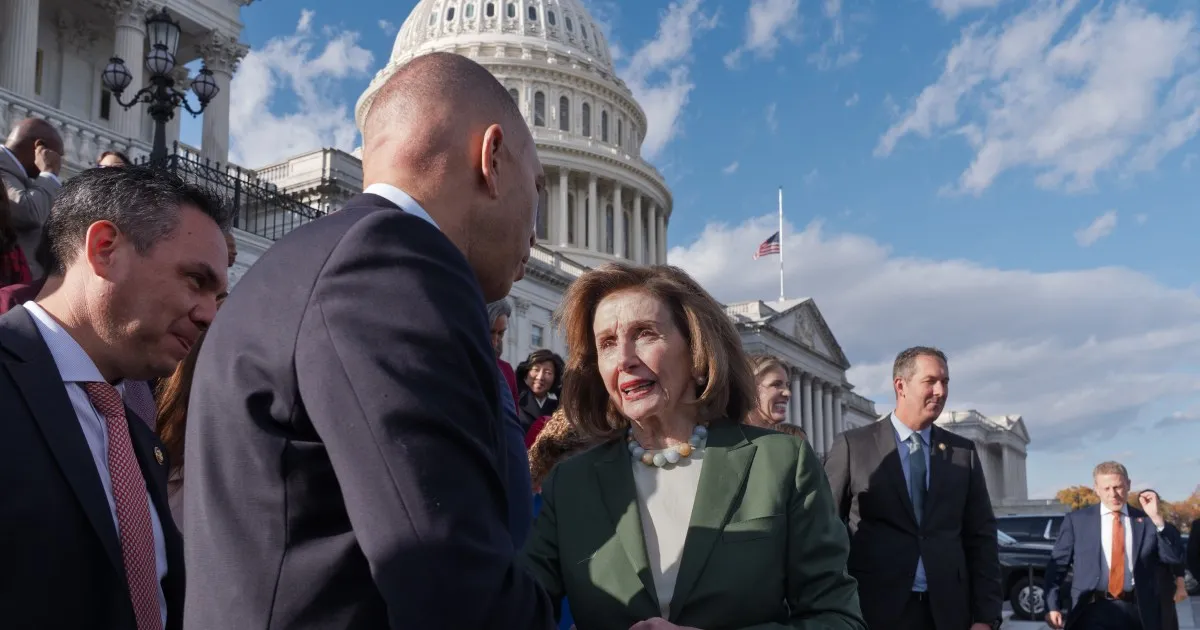
A significant fracture in the longstanding US bipartisan consensus on Israel has emerged following a House vote where over 100 Democrats supported an amendment to cut military aid to Israel. Although the amendment failed due to opposition from most Republicans and some Democrats, the vote marks a pivotal shift driven by the war in Gaza and sustained campus activism. This political realignment reflects growing electoral pressure on the Democratic establishment, with progressive candidates increasingly challenging incumbents by rejecting unconditional aid.
The vote occurred last week, exposing a shift in the Democratic Party’s stance that was previously considered sacrosanct. Former House Speaker Nancy Pelosi joined more than 100 members of her party in supporting the measure, arguing that Americans were demanding an end to a perpetual cycle of war. Her participation signals a departure from her historical role as one of Israel’s most dependable Democratic allies, reflecting a political reality that old assumptions about Israel no longer command automatic loyalty within the party.
The transformation in sentiment has been attributed to the war in Gaza, which transformed years of unease into a demand for accountability. Prior to the conflict, many Democrats had grown uneasy with settlement expansion, the collapse of the peace process, and Prime Minister Benjamin Netanyahu’s alliances with far-right parties. However, the unprecedented destruction and civilian suffering broadcast in real time accelerated this shift, turning Israel from an indispensable ally into a political and moral liability in the eyes of many voters.
Campus activism, beginning at universities such as Columbia and UCLA, is identified as the vanguard of this political change. What began as student encampments and demonstrations evolved into a broader generational revolt against the Democratic Party’s traditional approach to Israel. Democratic leaders’ crackdowns on these protests accelerated the estrangement of younger and progressive voters, weakening enthusiasm in key constituencies and contributing to the party’s losses in the 2024 elections, where Gaza was cited as a factor in the disconnect with their base.
The debate has consequently moved from whether to support Israel to establishing conditions related to human rights compliance and international law. Progressive candidates have recently defeated incumbents in primaries by rejecting unconditional military aid and pro-Israel campaign contributions. While Congress still possesses the votes to preserve military assistance, it no longer possesses the bipartisan consensus that once made such support politically automatic. Future aid is increasingly likely to be conditional on civilian protection, settlement curbs, and compliance with international standards.