US Football Infrastructure Transforms Ahead of 2026 World Cup Despite Structural Criticisms
The US Soccer Federation now sanctions 127 professional teams, yet critics argue the closed franchise system hinders competitive development compared to European counterparts.
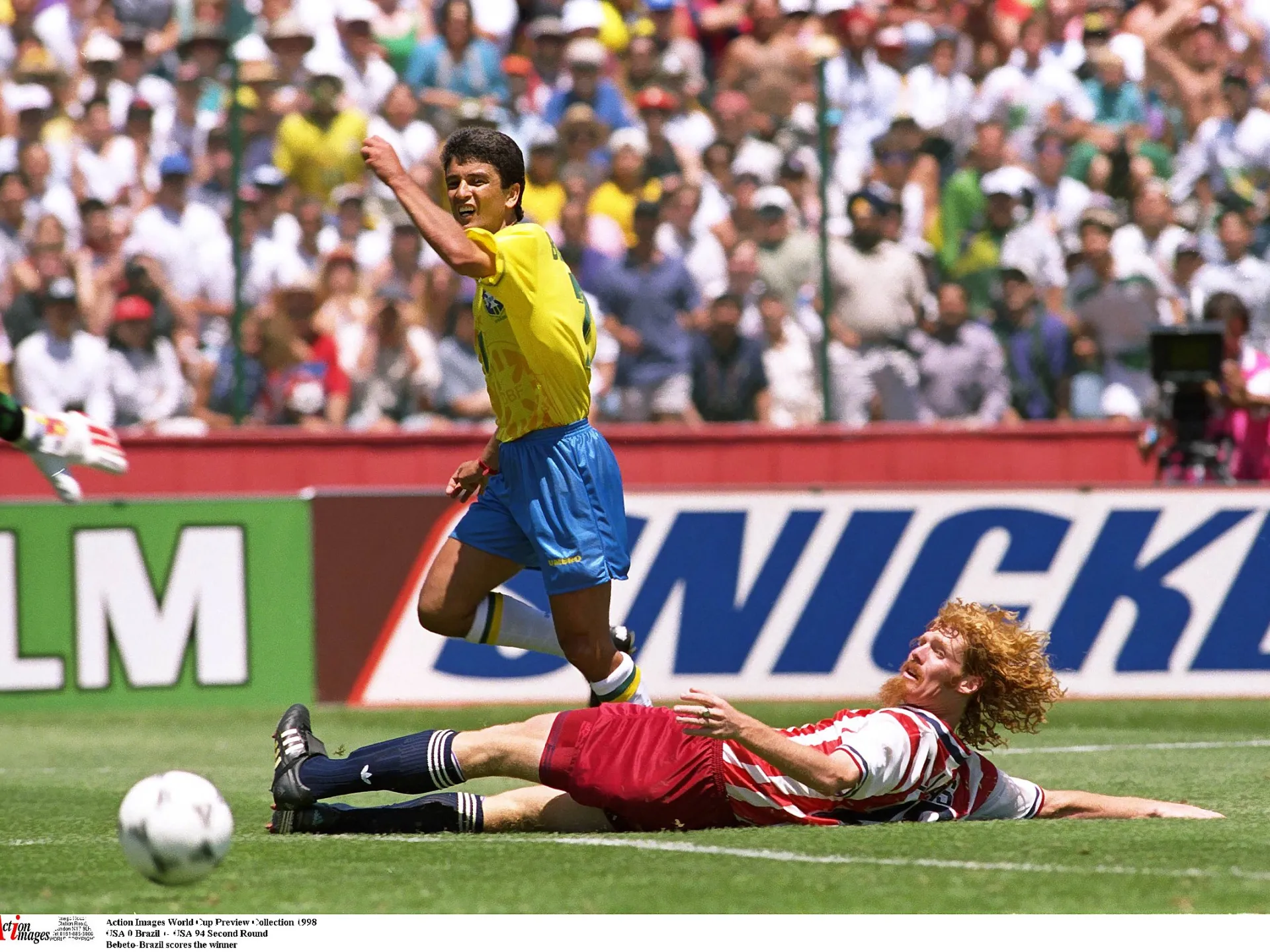
Thirty-two years after hosting the 1994 FIFA World Cup, the United States has transformed football from a marginal pastime into a mainstream commercial force. Former US Soccer President Sunil Gulati highlights a dramatic shift from a landscape lacking a professional league to an ecosystem with 127 sanctioned teams, including Major League Soccer (MLS) and the National Women's Soccer League (NWSL). This evolution marks a significant departure from the pre-1994 era, where the national team was cobbled together from ex-collegians and semi-professionals due to the absence of a first division league.
Commercial interest in the sport is at an all-time high, with the US Soccer Federation reporting that ticket demand for the 2026 World Cup significantly outstrips supply. Gulati notes that the development of professional leagues has been the most visible change, with the number of teams increasing dramatically to include USL Division 2 and 3. The valuation of clubs has also surged, with eighteen of the top 50 most valuable football clubs globally located in MLS, and the Columbus Crew's women's team selling for $205 million.
The foundation of this growth was laid during the reign of FIFA President João Havelange, who pushed for the 1994 World Cup in the US to help grow the sport internationally. This initiative coincided with the launch of MLS in 1996 and the opening of Columbus Crew Stadium in 1999, marking the first major purpose-built football venue in the US since 1922. While organised football has been played in the country since the late 19th century, the collapse of the North American Soccer League in 1984 had previously cast doubt on the sport's future.
Despite the commercial success, questions remain regarding the depth of the talent pipeline and the league's ability to foster a truly competitive environment. The US national team is currently ranked 16th in the world by FIFA, yet critics note that the closed franchise model limits competitive development and player ambition compared to European leagues. Most MLS players are offered the league's minimum annual salary of $80,622, with only two US players listed among the top 40 highest-paid in the league last year.
Eric Wynalda, a former US national team player and current commentator, argues that the current system is a recipe for mediocrity. He contends that facilities do not create ability and that the lack of promotion and relegation prevents players from learning how to fight relegation or beat opponents with their livelihoods on the line. Wynalda suggests that the focus on winning does not matter in the current structure, which he believes has eroded the competitive mentality necessary for long-term success.
While some observers, including Fox Sports commentator Alexi Lalas, acknowledge that the MLS franchise model has created riches and made football part of the mainstream sporting landscape, the structural flaws persist. As the 2026 World Cup approaches, the US faces the challenge of balancing its commercial achievements with the need for a more competitive environment to ensure the sport continues to grow beyond the tournament itself.