US food safety crisis deepens as multiple Salmonella outbreaks trigger widespread recalls
Concurrent outbreaks linked to jalapeños, eggs, and granola have sickened hundreds across the United States, prompting major retailers and distributors to remove products from shelves.
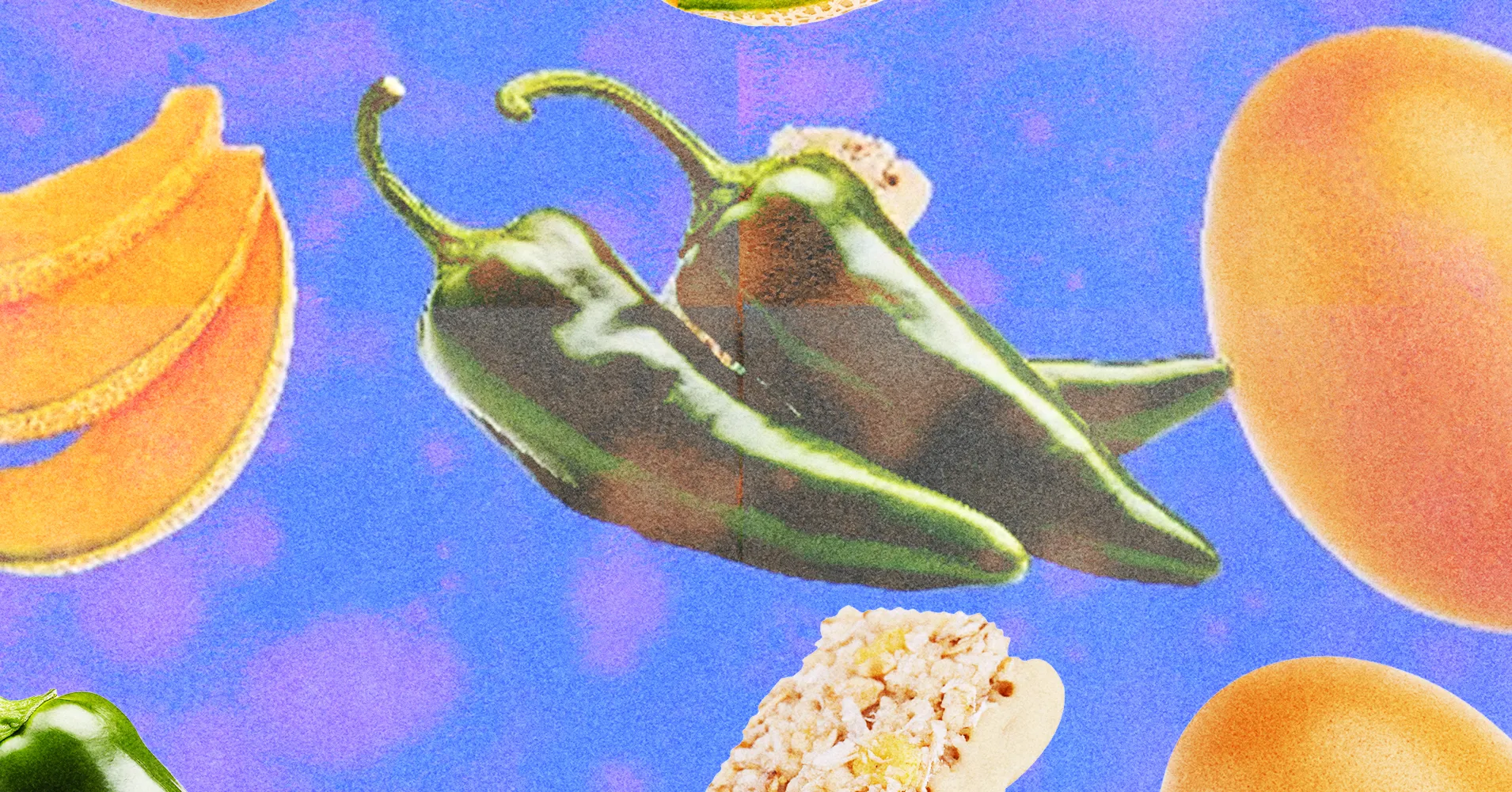
The United States is grappling with a surge in foodborne illness as multiple Salmonella outbreaks prompt a wave of recalls across diverse product categories. According to an update from the Centers for Disease Control and Prevention on 19 August, a growing outbreak linked to jalapeños has resulted in 431 illnesses across 32 states, with 57 individuals requiring hospitalisation. The agency has identified produce from Sinaloa, Mexico, distributed by Coast Citrus Distributors, as the primary source of the contamination.
In response to the identified risk, Coast Citrus Distributors has agreed to recall the affected produce. This action has triggered the widespread removal of salsa, guacamole, salad dressing, and other jalapeño-containing products from major retailers including Trader Joe’s, Whole Foods, Kroger, and Target. Restaurant chains such as Chipotle and Qdoba have also ceased serving the implicated peppers.
A separate outbreak linked to eggs has sickened 98 people across 17 states, resulting in 26 hospitalisations. Health officials have identified Midwest Poultry Services as a common source, with the company initiating a voluntary recall of 19 million eggs in July. The eggs were produced and distributed from farms in Texas. However, officials note that these eggs do not account for all illnesses in the outbreak and are continuing to investigate other potential sources.
Beyond produce and eggs, other food items are also under recall due to Salmonella risks. Lacnola Lactation Granola from Hampton Grocers is being recalled due to contaminated organic moringa powder, a green powder derived from the moringa tree. This follows several outbreaks linked to imported moringa leaf powder and dietary supplements containing the ingredient since last year.
The contamination has also extended to pet food, with Oma’s Pride recalling its Woof Complete Canine Chicken Recipe. The Food and Drug Administration issued the recall after a consumer complaint led to the collection and analysis of a product sample that tested positive for Salmonella. Three illnesses in dogs have been reported in connection with the product.
Food safety experts advise that while Salmonella outbreaks are common in warmer months due to increased consumption of fresh produce and outdoor dining, standard precautions remain effective. Ellen Shumaker, a food safety expert at NC State Extension, notes that warmer temperatures create favourable conditions for bacteria like Salmonella to grow. She recommends washing hands, cleaning surfaces, refrigerating perishables promptly, and cooking foods to safe internal temperatures. Edward Dudley, a professor of food science at Penn State, emphasises that cooking is the most reliable method to eliminate Salmonella, though he acknowledges a cultural preference for fresh produce in the United States.