US expands strikes on Iran as Gulf states face retaliatory drone attacks
Washington targets Iranian military infrastructure while Tehran responds with attacks on US facilities in Jordan, Bahrain, and Kuwait.
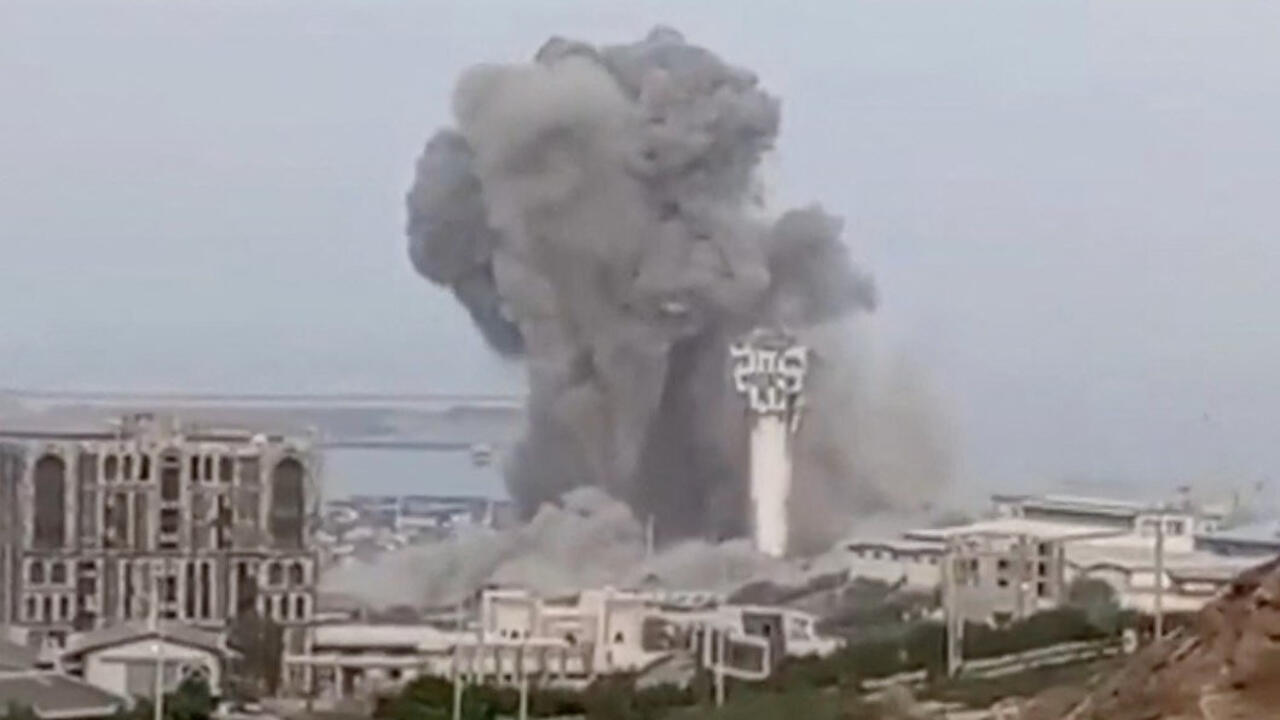
The United States launched a fresh wave of military strikes against Iran on Wednesday, targeting capabilities linked to threats against shipping in the Strait of Hormuz. President Donald Trump directed the operation, which included a 90-minute daytime assault on command centres, air defence sites, and coastal surveillance facilities in Bandar Abbas. The US military also reimposed a naval blockade on Iranian ports, marking an intensification of the campaign.
US Central Command stated that the strikes hit Iranian missile and drone capabilities, as well as targets in Bandar Abbas, home to Iran's largest port and key navy and Revolutionary Guards facilities. In response to the escalation, the Iranian army targeted US military facilities in Jordan, Bahrain, and Kuwait using suicide drones. Kuwait intercepted the drones, while air raid sirens sounded in Bahrain following the night of American strikes.
Iranian officials reported that the American strikes hit an army barracks, killing at least seven troops and wounding hundreds across the country. The Iranian state media outlet IRIB announced that its forces had targeted communication systems and fuel storage facilities of the US military in Jordan in retaliation for what it termed enemy aggression. There was no immediate word on damage or casualties from the Iranian strikes on Gulf states.
President Trump warned that the US could widen the military campaign unless Tehran returned to negotiations. He also announced that Iran had released an American citizen who was wrongfully detained under the Biden administration in 2024. Trump described the release as a gesture of goodwill, stating the individual was now safely outside Iran and in good condition.
The escalation occurred against a backdrop of broader regional diplomacy. Lebanon and Israel completed a new round of US-mediated negotiations in Rome, agreeing to implement pilot zones in southern Lebanon where Israeli forces would withdraw and transfer control to the Lebanese army. Meanwhile, Tehran has previously closed the Strait of Hormuz and threatened to shut additional energy export routes, including the Bab el-Mandeb gateway to the Red Sea.