US Energy Secretary to unveil 100-year Venezuela oil lease
The National Assembly has approved a 65-billion-barrel arrangement granting Washington access to one-fifth of Venezuela’s proven reserves, a move critics describe as a colonial imposition.
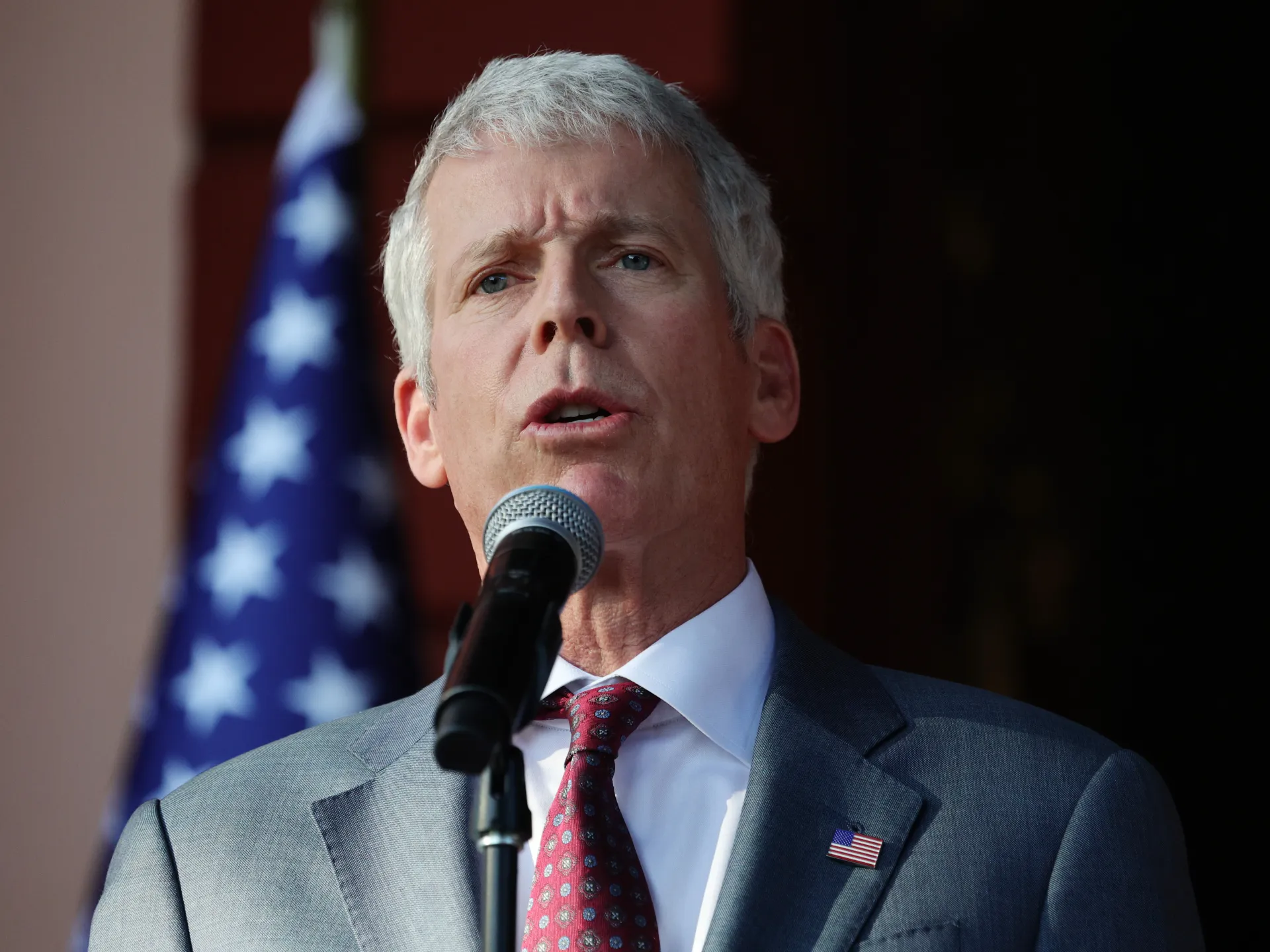
United States Energy Secretary Chris Wright is scheduled to travel to Venezuela on Tuesday to formalise a controversial energy arrangement that grants Washington effective control over a significant portion of the country’s oil reserves. The deal, which was approved by the Venezuelan National Assembly, provides the US with access to 65 billion barrels of proven oil, approximately one-fifth of Venezuela’s total, through a 100-year lease on 17 large oil fields.
The partnership involves a private entity, North American Blue Energy Partners (NABEP), led by Venezuelan businessman Alejandro Betancourt. Under the terms of the agreement, the US Defence Department will hold a 35 percent ownership stake in the new company, while the State Department retains the right to purchase 20 percent of the oil produced at cost. An anonymous US official described the arrangement as critically important for the United States to buy oil reliably at cost, framing it as a geopolitical opportunity to secure fields previously influenced by Chinese and Russian companies.
The National Assembly, led by Jorge Rodriguez, voted to back the binational energy treaty, with the interim government of President Delcy Rodriguez defending the measure as a boon to the country’s beleaguered economy. However, the approval was not unanimous, as some opposition lawmakers abstained from the vote. Lawmaker Luis Emilio Rondon criticised the lack of transparency, noting that the full text of the agreement has yet to be published and calling for the release of the fine print.
Critics have likened the arrangement to deals imposed by colonial powers, pointing to the opacity of the terms and the significant government involvement in a private-sector partnership. Betancourt, a former ally of the late President Hugo Chavez, has faced criminal investigations for alleged money laundering in Spain and Switzerland, though a US official noted he is not currently facing charges in the United States.
The deal follows a period of increased US influence in Venezuela, which began after a military operation on 3 January that resulted in the abduction and imprisonment of President Nicolas Maduro. Trump subsequently backed Vice President Delcy Rodriguez to assume the presidency, a transition that has raised questions about the feasibility of democratic elections in the immediate future.
Separately, oil giant Chevron is expected to sign an agreement to expand its operations in Venezuela on Wednesday. The country’s energy sector has suffered from dilapidation, with critics attributing the decline to a combination of heavy US sanctions and government mismanagement.