US defence chief seeks $67bn as Iran-Gulf conflict enters 11th night of strikes
Washington reports $37.5bn in costs and 18 soldier deaths as diplomatic tensions rise with Secretary of State Marco Rubio signalling conditional openness to negotiations.
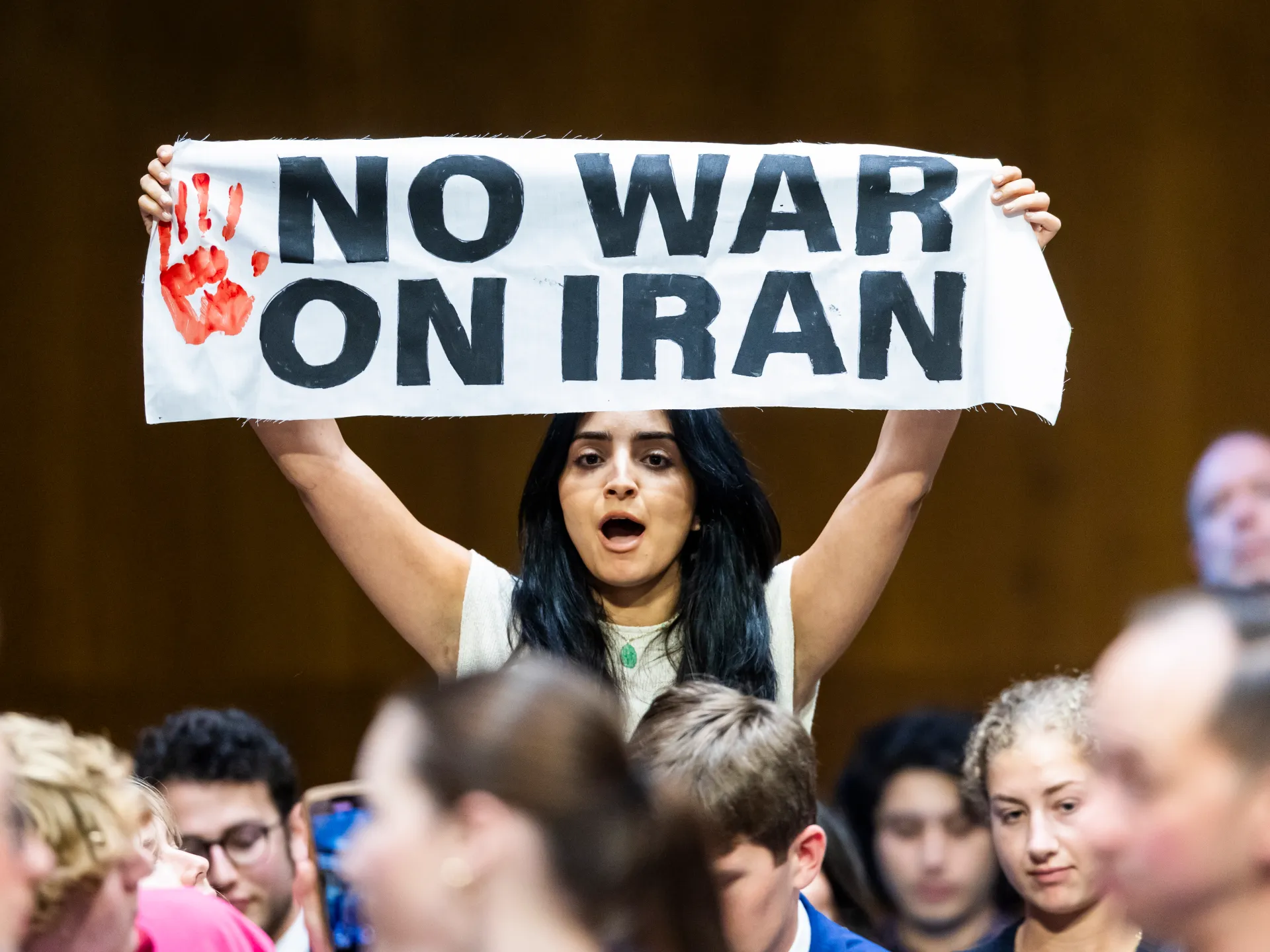
The United States concluded its 11th consecutive night of military strikes against Iran on Wednesday, intensifying pressure on Tehran’s capacity to disrupt commercial shipping in the Strait of Hormuz. US Central Command (CENTCOM) confirmed that operations ended at 00:15 GMT, targeting military operations centres, maritime capabilities, aircraft hangars, and logistics infrastructure. The campaign, which resumed on 7 July following the collapse of a ceasefire memorandum, aims to degrade threats that CENTCOM claims have seen Iran attack more than 30 commercial vessels over the past three months.
Retaliation from Iran was swift and widespread, with drone attacks directed at US military facilities in Kuwait, Jordan, and Bahrain. Iran’s military stated it targeted Camp Doha in western Kuwait, Muwaffaq Salti Airbase in Azraq, Jordan, and Isa Airbase in Bahrain. The statements described the strikes as hitting housing, welfare buildings, and equipment warehouses associated with US forces. The Islamic Revolutionary Guard Corps (IRGC) declared that the operation to punish the aggressor continues, underscoring the escalating nature of the conflict.
The human cost of the engagement has risen, with the US Department of Defence confirming that a third soldier is believed killed in action during the strike on Muwaffaq Salti Airbase in Jordan on 17 July. The 28-year-old had previously been reported missing, with his status updated to duty status whereabouts unknown, believed deceased. This brings the total number of US soldiers killed since the conflict began on 28 February to 18. Another soldier was killed in Iraq last week while attempting to detonate explosives on an Iranian drone.
In Washington, Defence Secretary Pete Hegseth provided a stark assessment of the financial burden during a hearing before senators. He reported that the war has cost the US military $37.5bn to date and urged lawmakers to approve an additional $67bn to replenish depleted missile supplies. The request highlights the logistical strain of sustained aerial operations and the need to maintain stockpiles for ongoing engagements against Iranian military targets.
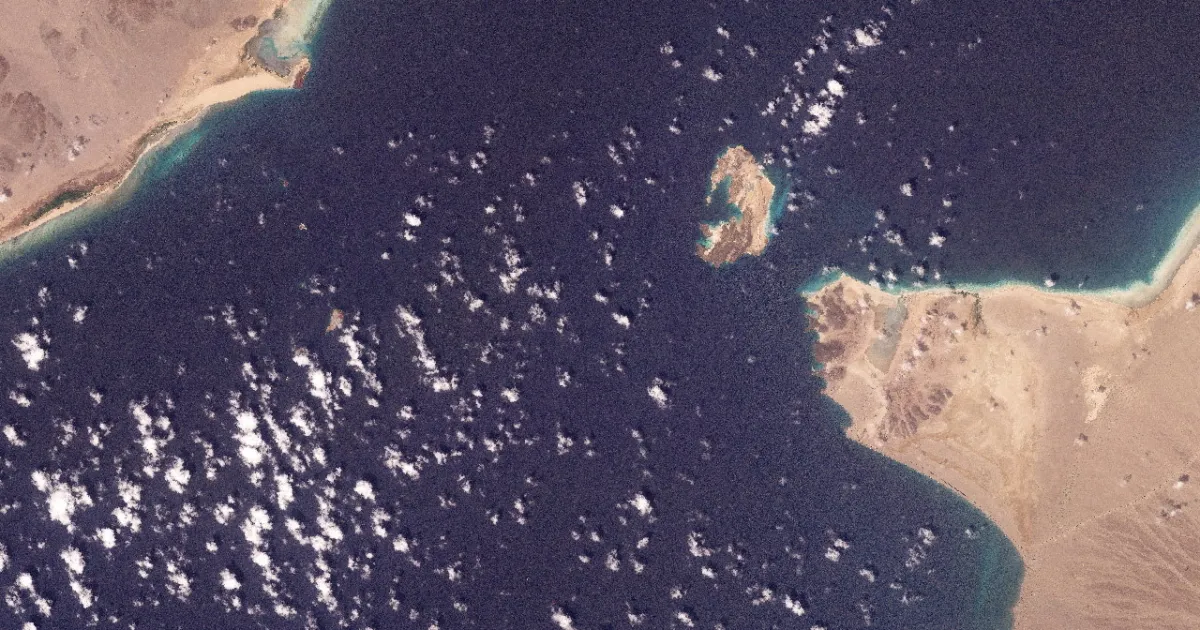
Diplomatic channels remain active despite the military escalation. US Secretary of State Marco Rubio, meeting with counterparts in Manila, stated that Washington is open-minded regarding the conflict and willing to negotiate if Iran demonstrates seriousness. Rubio warned that failure to engage constructively would result in necessary measures to protect US interests and those of its allies. Meanwhile, regional instability has widened, with Yemen’s Houthis announcing a naval blockade against Saudi Arabia in the Red Sea, causing two crude oil tankers to turn around and adding further pressure to global trade routes.
Within Iran, the strikes have reached multiple provinces. Reports from Iranian state media and provincial officials indicate attacks near Behbahan and Omidiyeh in Khuzestan, as well as on a military site near Tabriz in the northwest. Additional strikes were reported in Chabahar and Konarak in Sistan and Baluchestan, Kabudarahang County in Hamadan, and the Chavar and Abdanan regions in Ilam. Air defences were activated in Tehran, with explosions reported in the capital and the southern city of Bushehr.