US declares Iranian port blockade successful as Strait of Hormuz tensions escalate to day 62
The standoff over the Strait of Hormuz has triggered significant market volatility, with oil prices exceeding $120 a barrel and prompting strategic discussions on US military posture.
United States President Donald Trump has declared the maritime blockade of Iranian ports a success on day 62 of the conflict, publicly urging Tehran to surrender. In a move that signals a hardening of the American stance, Mr Trump stated that Washington's campaign is working and demanded that Iran simply give up as pressure mounts in the region.
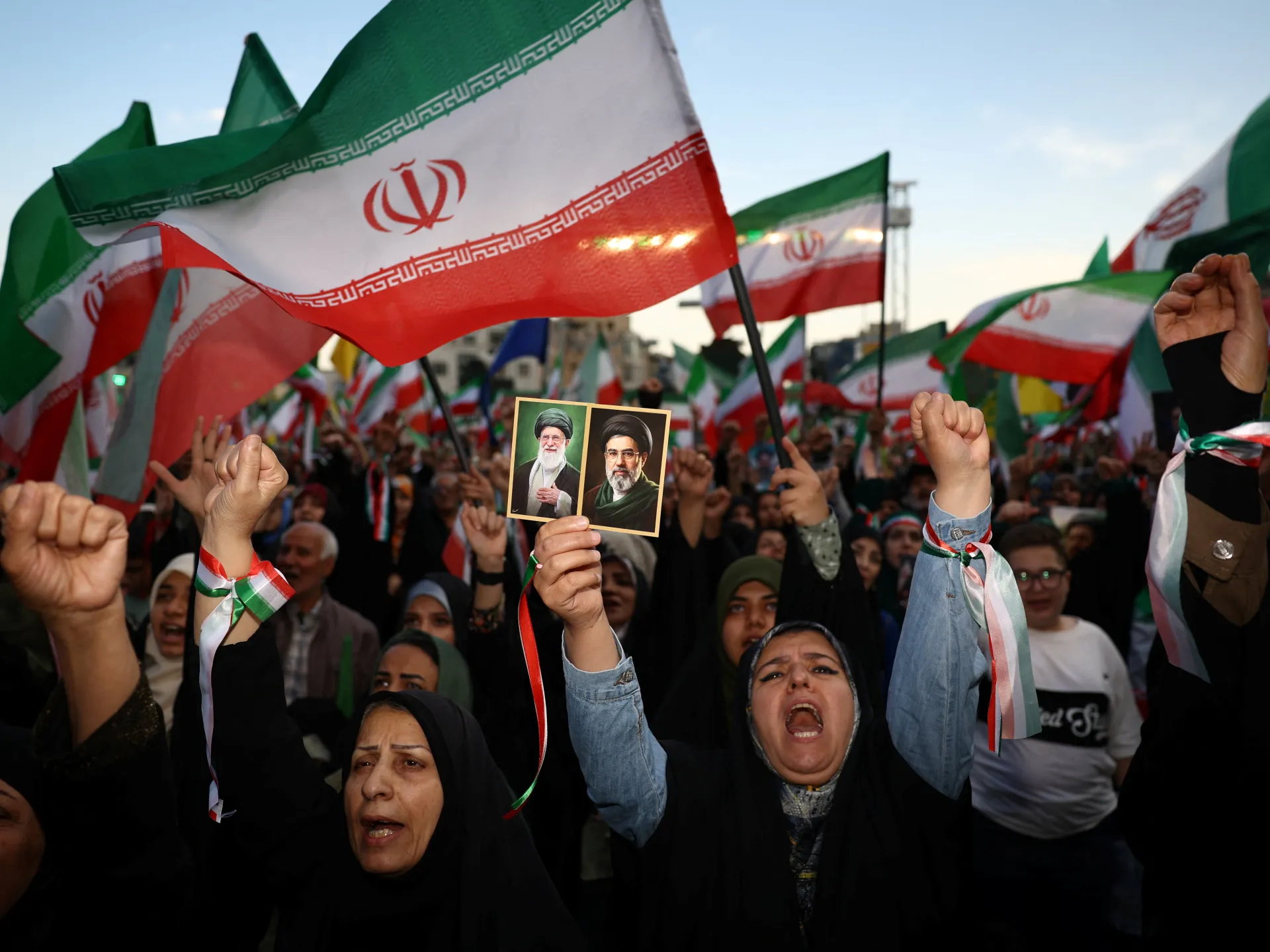
This assertion from the White House has been met with a firm rejection from Iranian leadership. Parliament Speaker Mohammad Bagher Ghalibaf dismissed the US campaign as ineffective, arguing that the current strategy has failed to achieve its objectives. Meanwhile, Iranian military officials have clarified that their recent restraint is not a sign of weakness but a calculated strategic choice intended to allow diplomacy to proceed.
The diplomatic standoff has rippled through global markets, causing significant volatility in energy prices. Tensions over the Strait of Hormuz have driven global oil prices above $120 a barrel, pushing US petrol costs to a four-year high. This surge underscores the sensitivity of the global economy to developments in the Middle East, with Brent crude rising sharply in response to fears of supply disruption.
Behind the scenes, the conflict has prompted high-level engagement between energy executives and President Trump to discuss limiting the impact of the crisis on American consumers. These discussions coincide with a broader strategic review of US troop numbers in Germany, suggesting a potential recalibration of American military posture in the region. Reports indicate that while the current focus remains on the maritime blockade, the US Central Command has formulated plans for short, powerful strikes to break negotiation deadlocks if necessary.
Amidst these regional tensions, international relations continue to evolve on a separate front. King Charles III's state visit to the United States is proceeding as planned, despite a shooting incident at a White House dinner attended by President Trump. The trip aims to strengthen US-UK relations, even as the two nations navigate their differences regarding the ongoing war with Iran.
As the conflict enters its 62nd day, the window for diplomatic resolution remains uncertain. While Iranian officials cite restraint as a means to facilitate talks, the precise duration of this diplomatic window is unclear, leaving the possibility of military options being fully enacted in the near future.