US declares end to offensive in Iran but warns of devastating response to Strait threats
Secretary of State Marco Rubio announces conclusion of operations, yet military leadership insists forces are ready to resume combat if ordered amid fears of ceasefire collapse
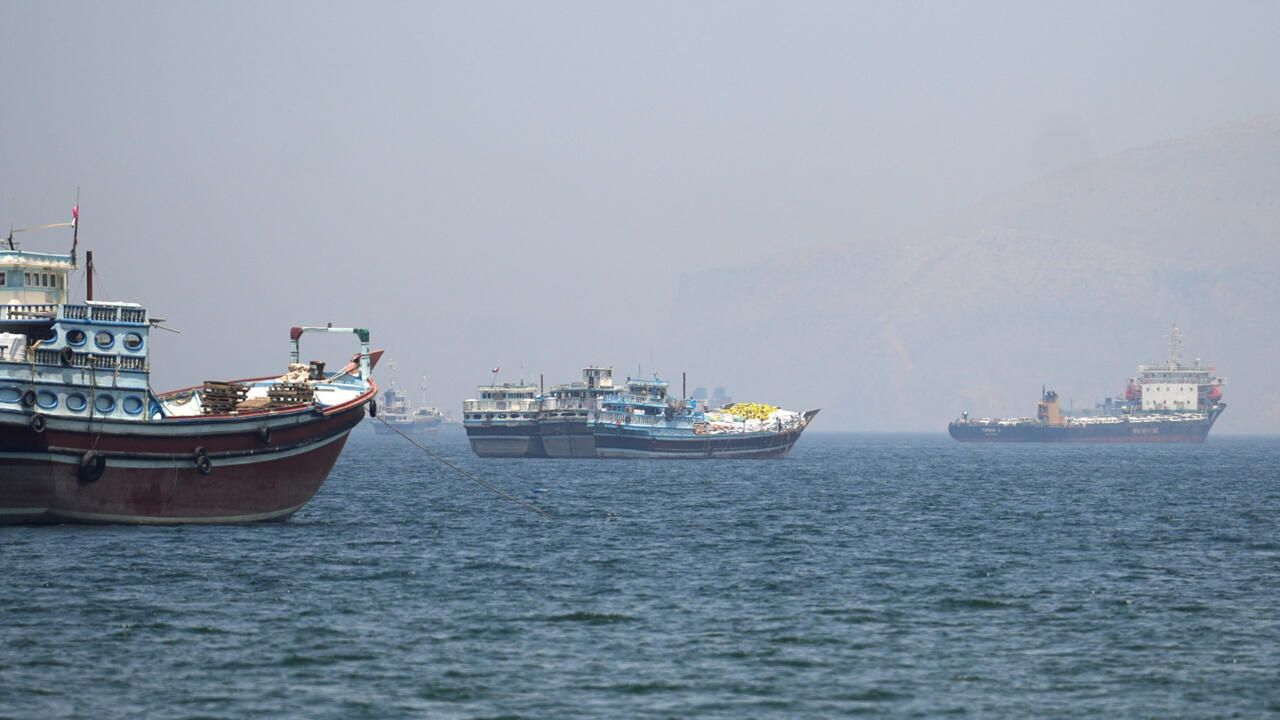
The United States has officially announced the conclusion of its offensive operations against Iran, with Secretary of State Marco Rubio confirming the end of hostilities on Tuesday. Despite this declaration, the administration has issued a stark warning that any renewed threats to shipping in the Strait of Hormuz would trigger a devastating response. This caution comes as Washington's top military officer stated that American forces remain on high alert and are prepared to resume major combat operations if ordered.
Tensions remain critically high as the fragile ceasefire faces the prospect of collapse amid duelling maritime blockades and conflicting accounts of recent events. The United Arab Emirates reported intercepting a second day of missiles and drones from Iran, a claim Tehran categorically denied. Iran's Khatam al-Anbiya command stated that its armed forces had not launched any such operation, while Washington accused Iran of killing five civilians aboard boats during the exchange of fire.
Regional instability has spilled over into financial markets, with European and US stocks advancing on Tuesday while Asian equities fell amid fears that the truce could unravel. The economic strain on global markets is being exacerbated by the potential for prolonged disruption in the vital waterway. Danish freight giant Maersk reported that one of its ships successfully transited the Strait of Hormuz under US escort, highlighting the ongoing reliance on American protection for commercial passage.
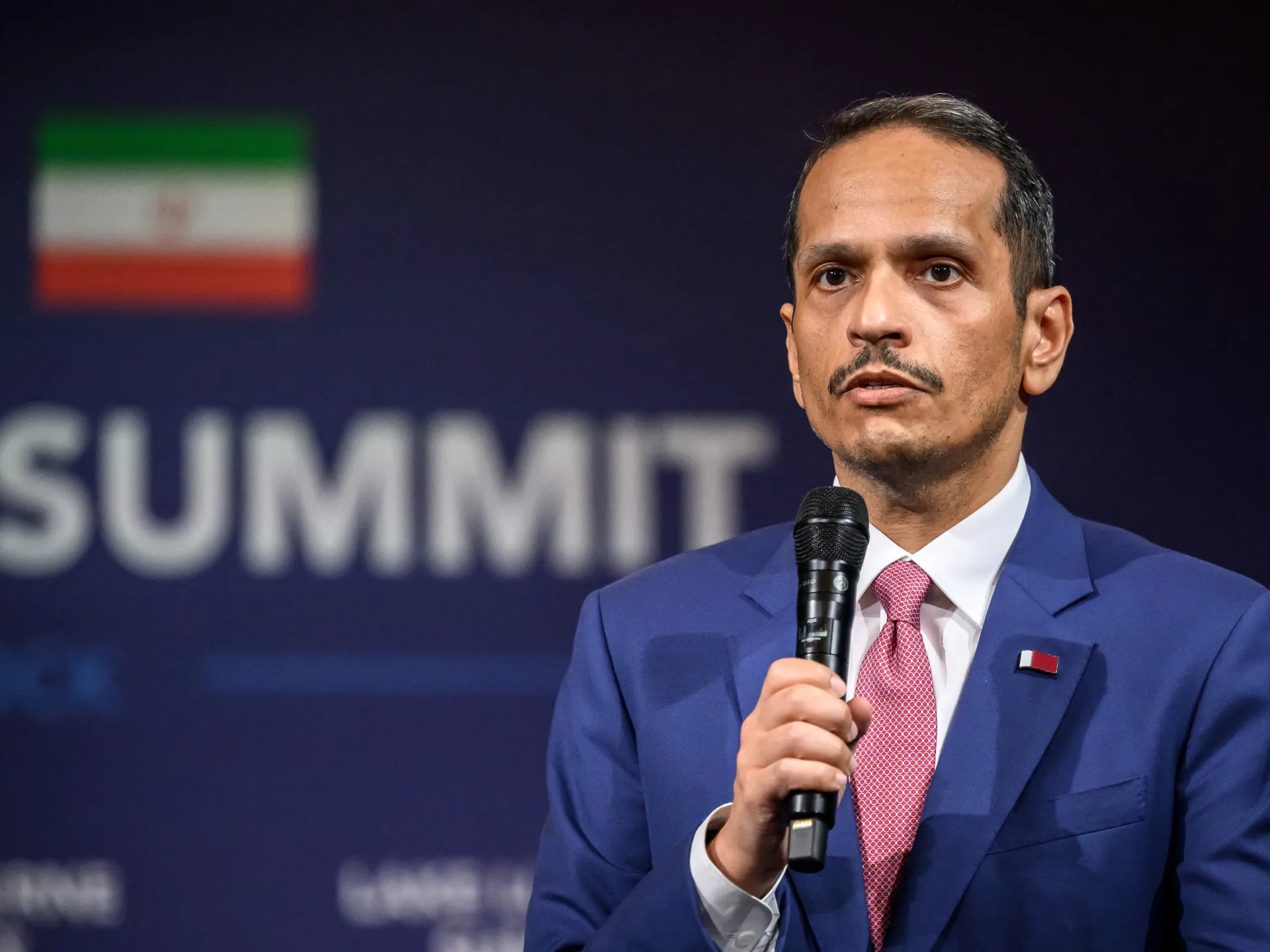
Diplomatic efforts to stabilise the region appear strained by further policy shifts, as the US reinstated 25 per cent tariffs on EU automobiles, citing military non-compliance. This move effectively overturns a previous agreement and adds to the diplomatic friction between Washington and European allies. European leaders, including German Chancellor Friedrich Merz and French President Emmanuel Macron, have urged Iran to return to talks, warning that prolonged disruption would have direct consequences for their economies.
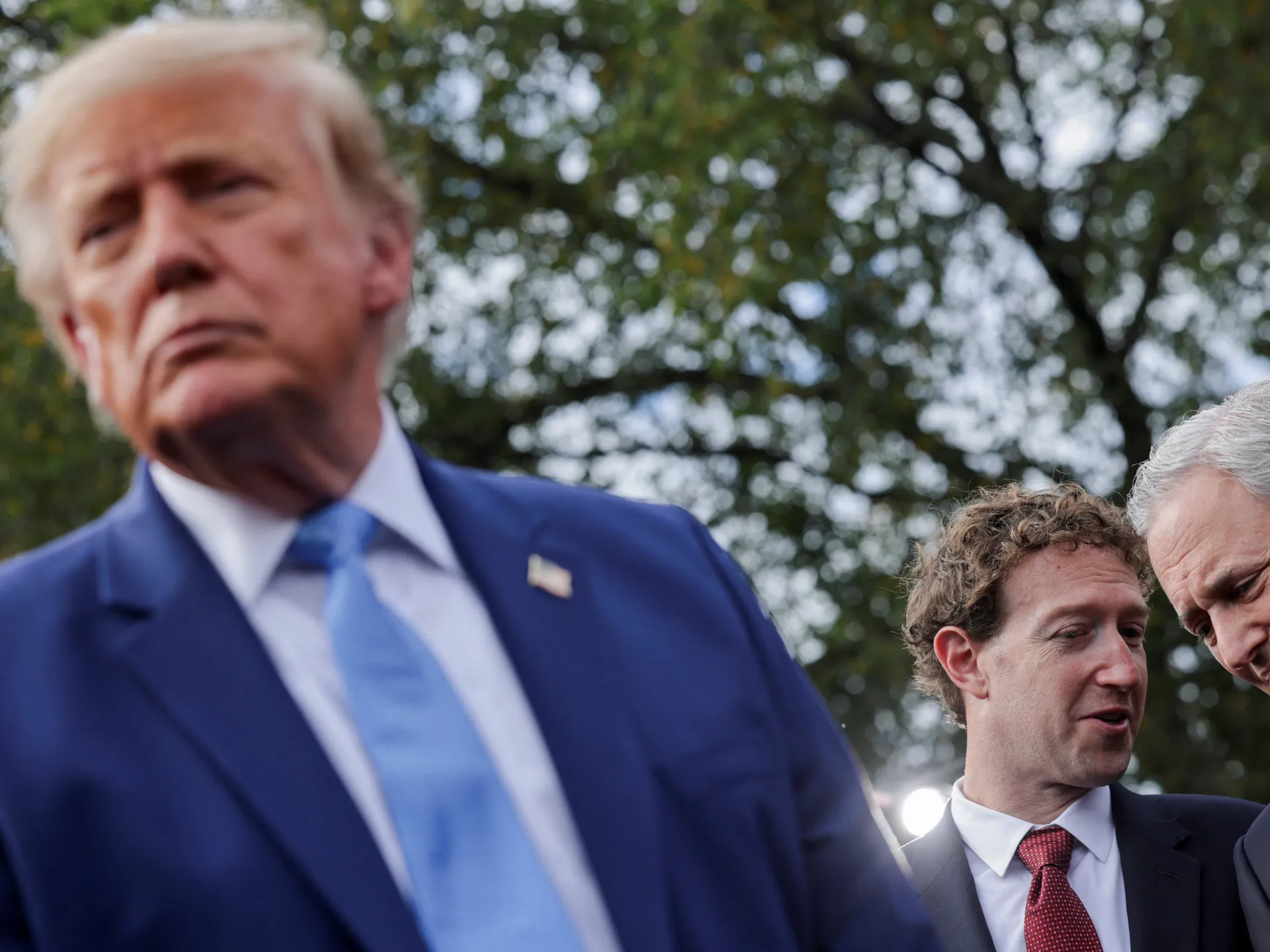
President Donald Trump has characterised the conflict as a little skirmish, urging Iran to do the smart thing and make a deal. However, the reality on the ground suggests a more complex and dangerous situation, with Israel's air force chief stating the military is ready to deploy the entire air force eastward if required. The status quo is described by Iran's parliament speaker as intolerable, with Tehran vowing to retain control of the Strait despite the US presence.
As talks remain deadlocked, the focus remains on preventing further escalation in the Gulf. While the US claims it is not looking for a fight, the threat of overwhelming force looms large over the Strait of Hormuz. The coming days will be critical in determining whether the current ceasefire holds or if the region slides back into open conflict.