US declares end to initial Iran offensive as Strait tensions persist
Washington officials assert strategic goals of Operation Epic Fury are met, yet Iranian leadership rejects the ceasefire framework amid reports of continued maritime and aerial incidents.
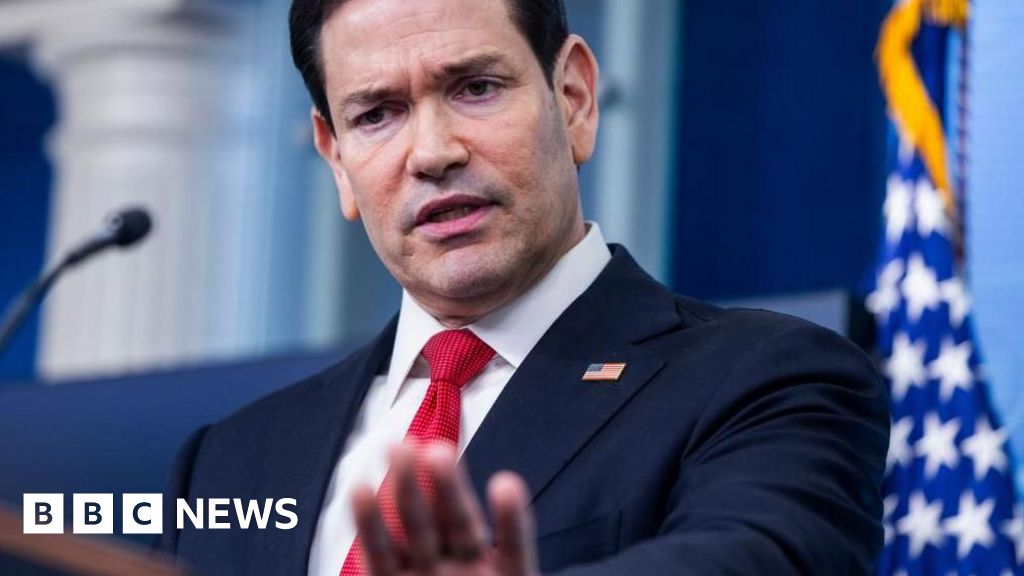
US Secretary of State Marco Rubio has announced that the initial offensive phase of the conflict in Iran, designated Operation Epic Fury, has concluded following the achievement of its objectives. This declaration marks a significant shift in the US posture, suggesting a move away from kinetic escalation toward a diplomatic resolution under President Donald Trump. However, the announcement arrives amidst a backdrop of heightened instability in the Strait of Hormuz, where recent incidents involving shipping and airspace have sparked serious concerns regarding the durability of the current ceasefire.
While Rubio expressed a clear preference for a negotiated settlement, noting that such an outcome aligns with the President's wishes, he acknowledged that Tehran has not yet chosen this path. In a stark contrast to the American assessment, Iranian Parliamentary Speaker Mohammad Ghalibaf dismissed the notion of a concluded conflict. Speaking to the ongoing tensions, Ghalibaf asserted that the continuation of the status quo is intolerable for the United States and declared that the conflict is merely in its early stages. He further accused US allies of jeopardising critical energy transit and shipping security through their actions in the region.
The friction in the Strait of Hormuz has manifested in several specific incidents that challenge the stability of the ceasefire. Late on Tuesday, the UK Maritime Trade Operations (UKMTO) reported that a verified source indicated a cargo vessel was struck by an unknown projectile within the strait, though further details remain unavailable. Earlier in the day, the United Arab Emirates confirmed that its air defences engaged Iranian missiles and drones for a second consecutive day. The UAE also accused Tehran of firing weapons that struck an oil port in the emirate of Fujairah, a claim Iran has firmly denied.
Internal assessments within the US defence establishment reflect a cautious approach to these developments, highlighting a divergence in perspective regarding the immediate threat level. Defence Secretary Pete Hegseth stated that while the ceasefire currently holds, it requires close monitoring. Similarly, Chairman of the Joint Chiefs of Staff Dan Caine noted that recent Iranian attacks on US forces remain below the threshold necessary to justify resuming full-scale fighting. These comments suggest that while the political objective may be declared met, the operational reality on the ground remains volatile.
The US administration has indicated a desire to avoid a return to full-scale operations that could further disrupt global markets or provoke broader regional conflict. President Trump has stated that a negotiated settlement remains possible and is currently in discussions with Japan regarding the reopening of the strait. He also expects to engage with Chinese President Xi Jinping during an upcoming visit to China, underscoring a strategy that prioritises de-escalation and the restoration of maritime commerce over further military engagement.