US debt hits record $40 trillion as ‘economic D-Day’ rhetoric rattles markets
Treasury intervention fails to stabilise investor confidence amid Strait of Hormuz disruption and rising energy costs.

US President Donald Trump’s declaration of “economic D-Day” against Iran has precipitated a significant shift in global financial sentiment, with domestic markets absorbing the initial shock. The administration’s threat of unprecedented financial isolation for Tehran and its trading partners coincided with the Dow Jones Industrial Average recording its worst losses in three weeks. This market volatility has occurred as total US debt surpassed a record $40 trillion, a milestone reached two years earlier than projected due to war costs and corporate tax reductions.
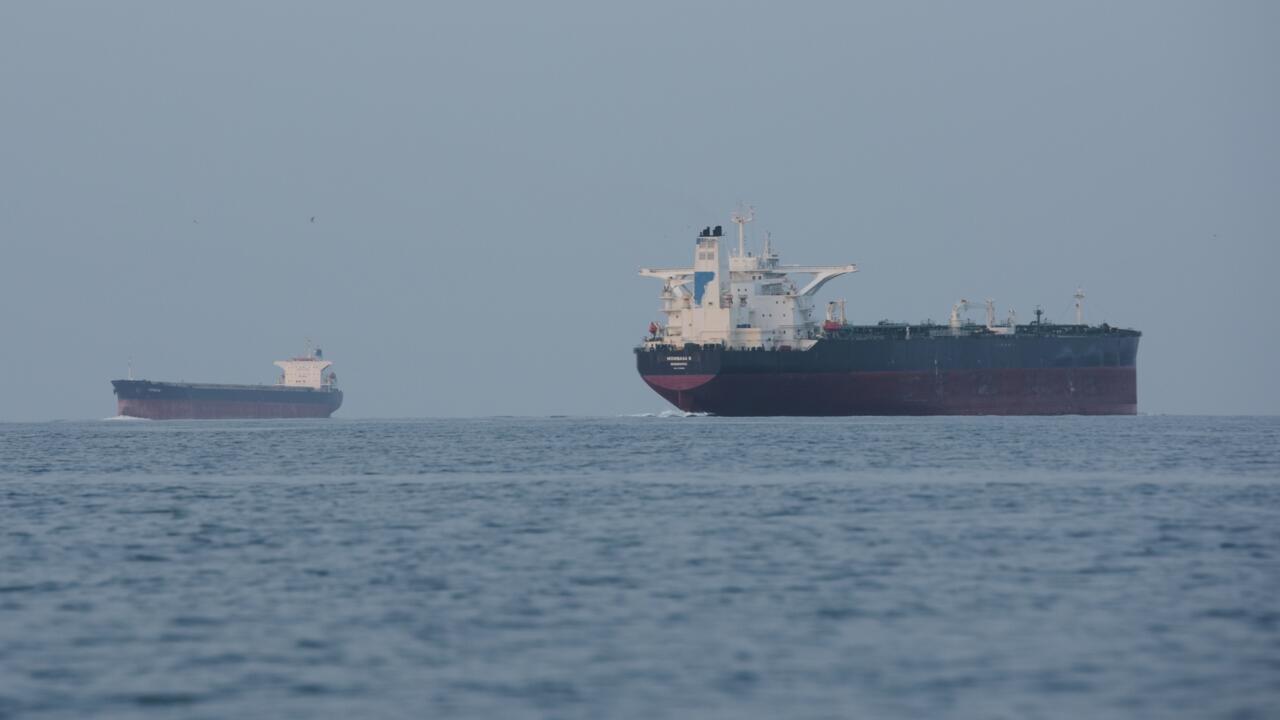
The disruption in the Strait of Hormuz remains the central driver of economic uncertainty. Once a conduit for 20 per cent of global oil and natural gas supplies, the waterway is now largely paralysed, with daily ship traffic dropping from approximately 130 vessels to a handful. This bottleneck has driven Brent crude prices above $93 a barrel and US crude to $86.70, contributing to inflationary pressures that complicate Federal Reserve policy.
Treasury Secretary Scott Bessent attempted to stabilise the bond market by announcing emergency buybacks of long-dated debt, increasing the programme to at least $4 billion. However, the measure failed to quell investor fears, with 30-year US Treasury yields pushing above 5.25 per cent, nearing a two-decade high. Frederic Schneider, a senior fellow at the Middle East Council on Global Affairs, described the situation as a “buyers’ strike,” noting that the widening federal deficit and AI-related corporate borrowing have eroded confidence in US assets.
The geopolitical fallout extends beyond the Gulf, with the United Arab Emirates imposing an indefinite embargo on Iran following missile strikes. Analysts suggest that as Gulf states and East Asian economies reassess their sovereign wealth deployments, the marginal buyers of American debt are pulling back. This withdrawal is particularly significant given that these regions are among the largest holders of US assets and are currently experiencing the most severe economic impacts from the conflict.
Domestically, the rising cost of living is becoming a political liability with midterm elections approaching in November. Gasoline prices have increased by nearly a third compared to a year ago, according to the American Automobile Association. US Senator Mark Warner has criticised the ongoing conflict, questioning when the administration will exit what he described as a “disastrous and deadly war.”
Despite Trump’s assertion that US forces maintain “total control” of the Strait of Hormuz, maritime data suggests operators remain wary of the Iranian blockade. Peace talks have yet to commence seriously, with Iran negotiating with Oman regarding the strait’s management and demanding its settlement before engaging directly with Washington.