Failed Niger mutiny exposes reliance on Russian support
The attempted power grab revealed divisions within Niger’s armed forces and raised questions about the strength of its Sahelian military alliance.
A failed mutiny in Niger has exposed President Abdourahamane Tiani’s reliance on Russian support and divisions within the country’s armed forces.
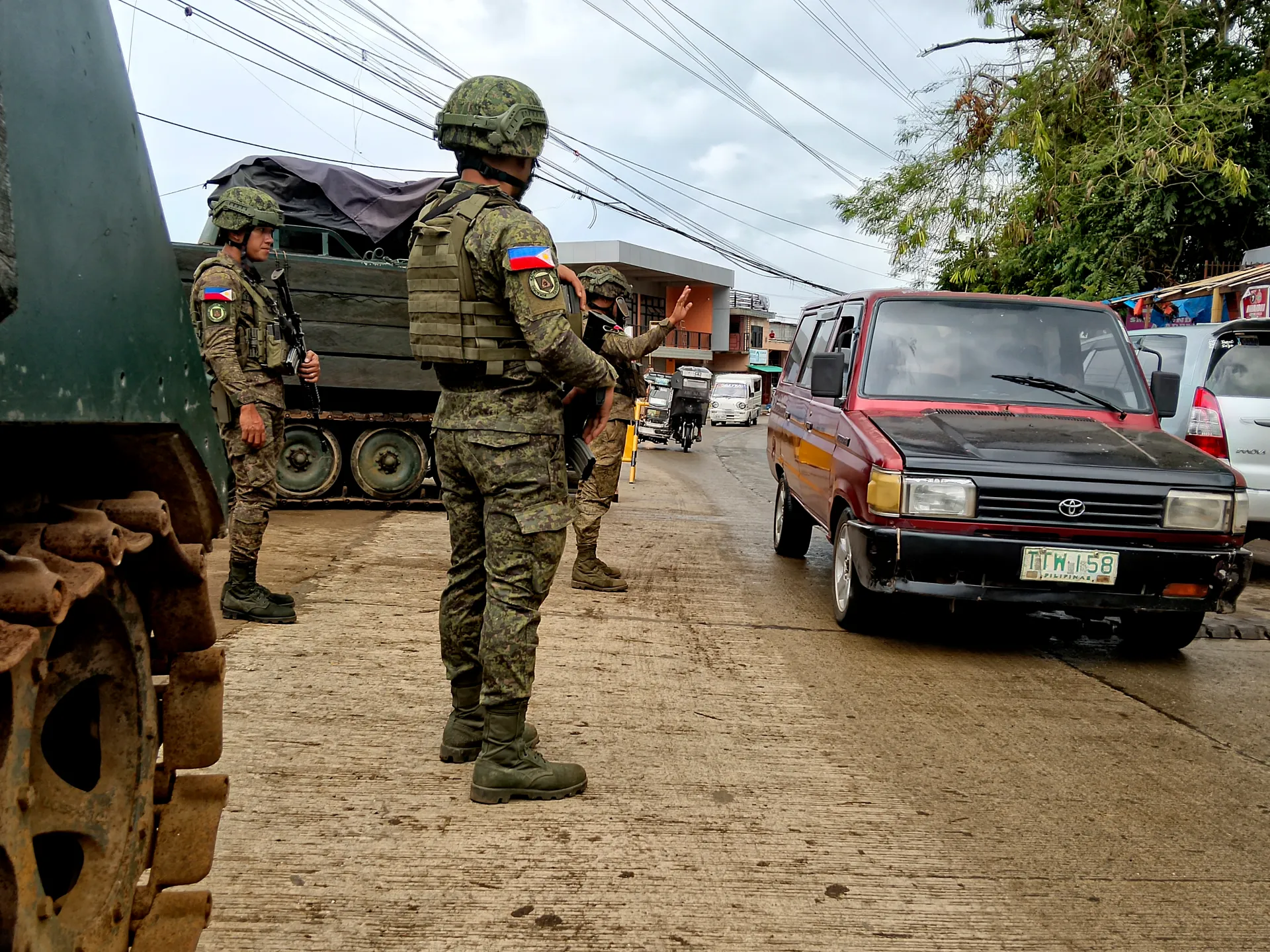
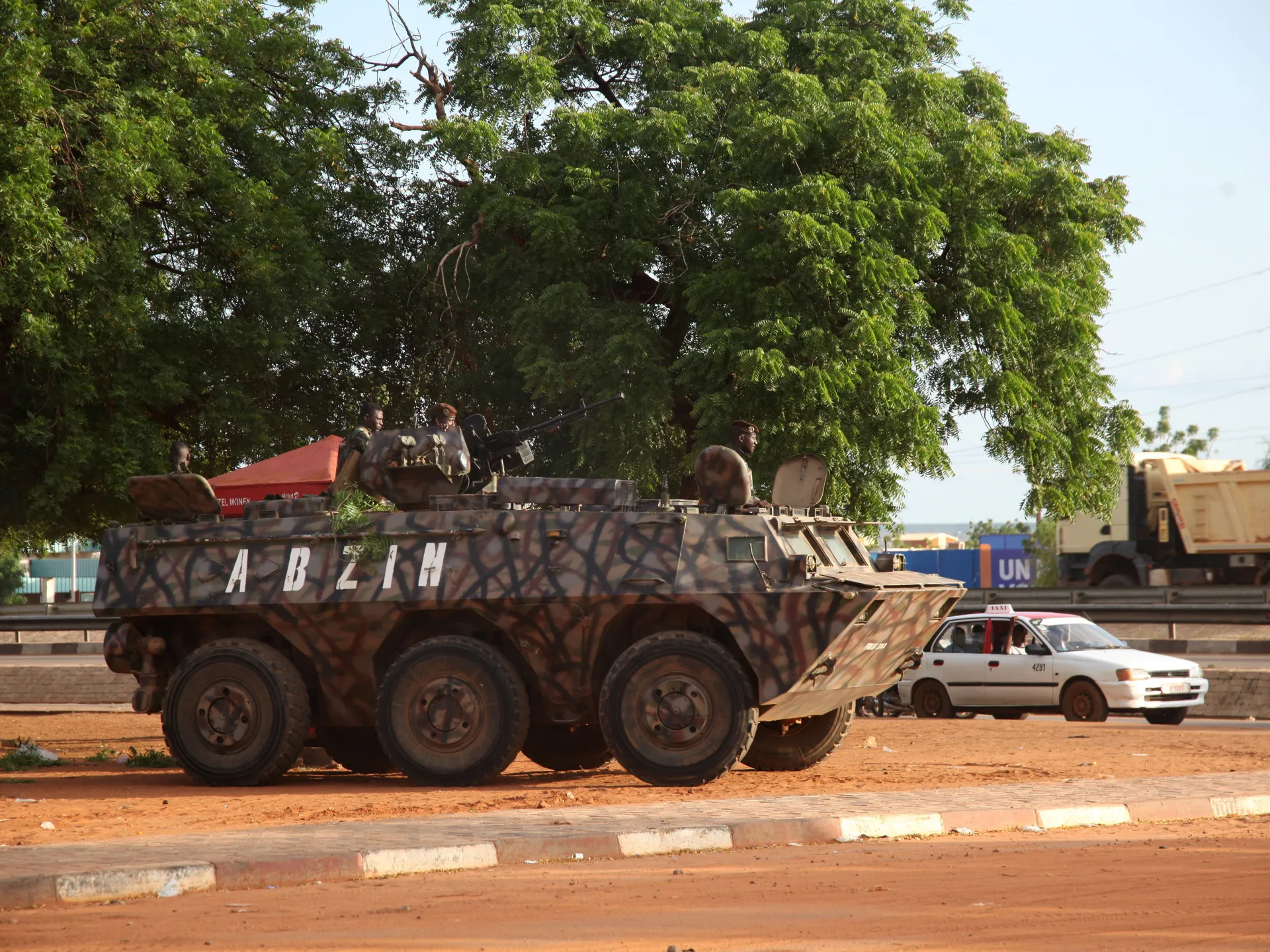
On 29 August, soldiers calling themselves the Armed Forces for the Restoration of the Homeland reportedly attacked Air Base 101 at Niamey’s international airport, the presidential palace and the national broadcaster. Loyalist presidential guard units held the palace, while about 200 Russian Africa Corps personnel, supported by drones, reportedly helped retake the airbase.
Al Jazeera reported that at least 27 people were killed and about 100 alleged mutineers arrested. The figures, along with the precise role of Russian personnel and claims of reinforcement from Mali and Libya, have not been independently established in the available material.
The mutiny was linked to grievances over military casualties, deployment conditions and differences in remuneration. Junior and mid-ranking soldiers were reportedly deployed against armed groups on the front lines, while senior units such as the presidential guard were based in better-protected cities and received higher pay.
The episode underscored a shift in Niger’s security relationship with Moscow. After expelling French and American troops in 2023 and 2024, Niger turned to Russia for assistance against armed groups. The reported involvement of Africa Corps personnel in defending the military government suggests the partnership now extends beyond counter-insurgency support.
Niger’s Alliance of Sahel States partners, Mali and Burkina Faso, were reportedly slow to respond, prompting questions about the effectiveness and cohesion of the alliance’s mutual-assistance pact. Separate allegations involving France, the United Arab Emirates, associates of deposed President Mohamed Bazoum and officers from neighbouring countries remain unsubstantiated.