US data center gas power pipeline nearly doubles in under a year
New research from Global Energy Monitor reveals that gas-fired power projects dedicated to US data centres have surged to over 189 gigawatts, surpassing China’s pipeline as tech firms bypass grid delays with private fossil fuel plants.
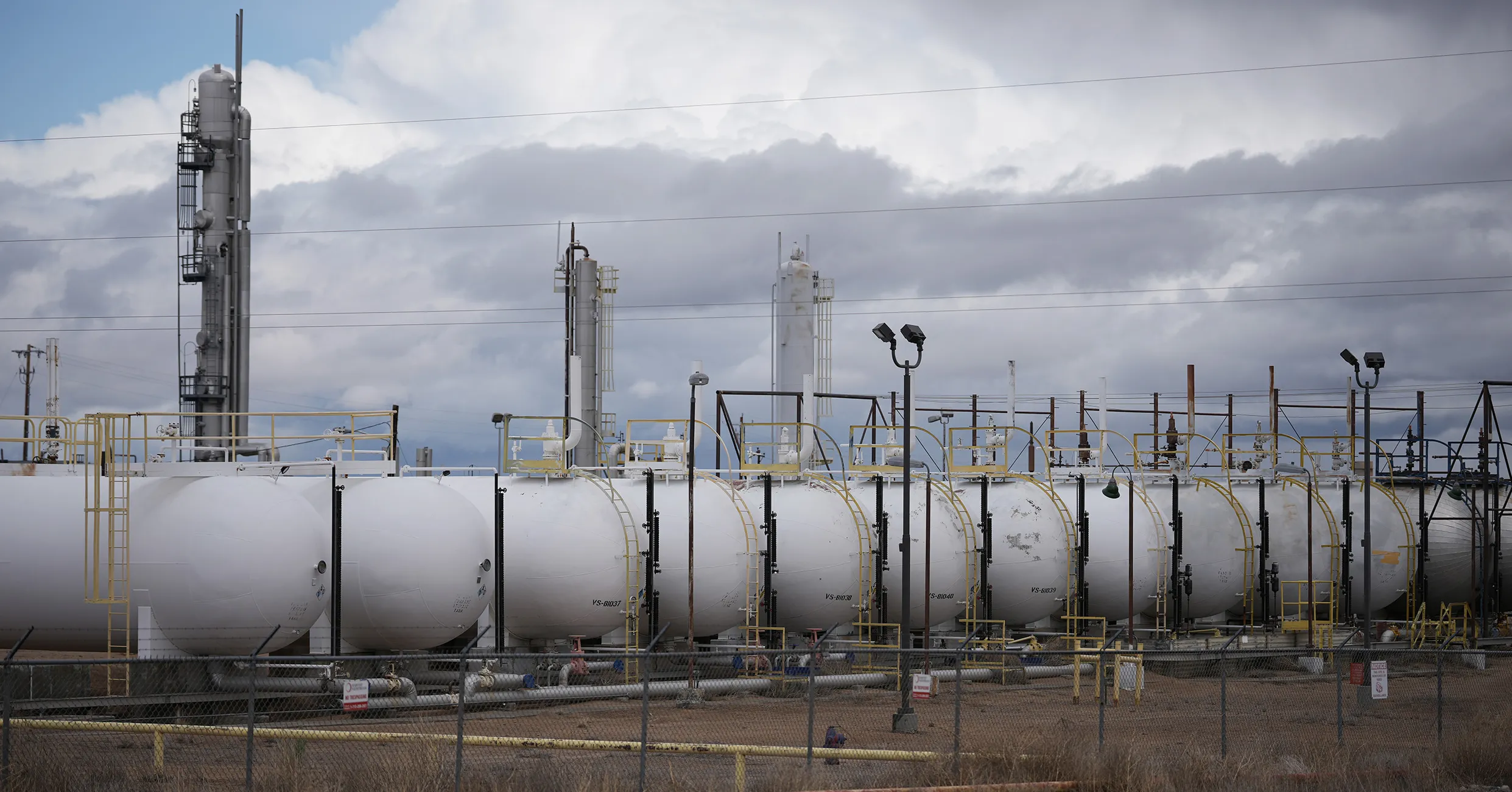
The pipeline of gas-fired power projects in the United States dedicated exclusively to data centres has nearly doubled in less than a year, according to new research released by Global Energy Monitor. The total capacity in development has surged from 97 gigawatts at the end of 2025 to more than 189 gigawatts as of mid-2026, a massive increase from just 4 gigawatts tracked in early 2024. A gigawatt is sufficient to power roughly a million homes, highlighting the sheer scale of the energy demand driven by the artificial intelligence boom.
Tech companies are increasingly relying on private, behind-the-meter fossil fuel plants to bypass lengthy grid connection times. This strategy also serves to avoid saddling ratepayers with higher bills, a concern that has become a flashpoint as opposition to data centres grows around the country. Jenny Martos, a research analyst at Global Energy Monitor, noted that the US gas power buildout is becoming directly tied to the data centre buildout, making the two sectors inseparable in the current energy landscape.
The Trump administration has actively encouraged this trend by introducing a voluntary pledge for tech companies to bring their own power. The initiative has been signed by major firms including Microsoft, Meta, Google, and OpenAI, as well as several Republican governors and some of the country’s biggest utilities. This policy shift has accelerated the move towards private generation, allowing companies to secure energy supply without waiting for public grid infrastructure to expand.
The rapid expansion comes with significant climate costs, particularly because many of the facilities are being built with inefficient turbines that can increase emissions. Some of these gas plants are permitted to emit more greenhouse gases annually than many small and medium-sized countries. Martos warned that while not all tracked projects will necessarily be built, if the majority proceed, the US will be locking in emissions for decades.
Globally, the US has surpassed China as the country with the most gas projects in the pipeline. While China was the world’s largest importer of natural gas in the early 2020s and previously outpaced the US in gas plant construction, its data centre boom is now oriented differently. Kyle Chan, a fellow at the Brookings Institution, explained that China’s data centre buildout is deliberately oriented around renewables, particularly solar and hydropower, to ensure energy independence.
Chan noted that while the US approach may make economic sense in the near term to power data centres quickly, it carries long-term risks. By not investing in its own clean energy sector, the US faces higher future costs in terms of emissions and infrastructure. However, Martos cautioned that significant uncertainty remains regarding the final number of operational plants, citing financing challenges, local opposition, moratoriums, and turbine supply constraints as key factors that could prevent many of the proposed projects from being completed.