US crude oil reaches Tokyo Bay as Japan secures alternative supply amid Strait of Hormuz tensions
The arrival highlights a strategic shift in Japan's energy procurement as the deterioration of the Iran situation drives the need for stable, alternative oil sources.
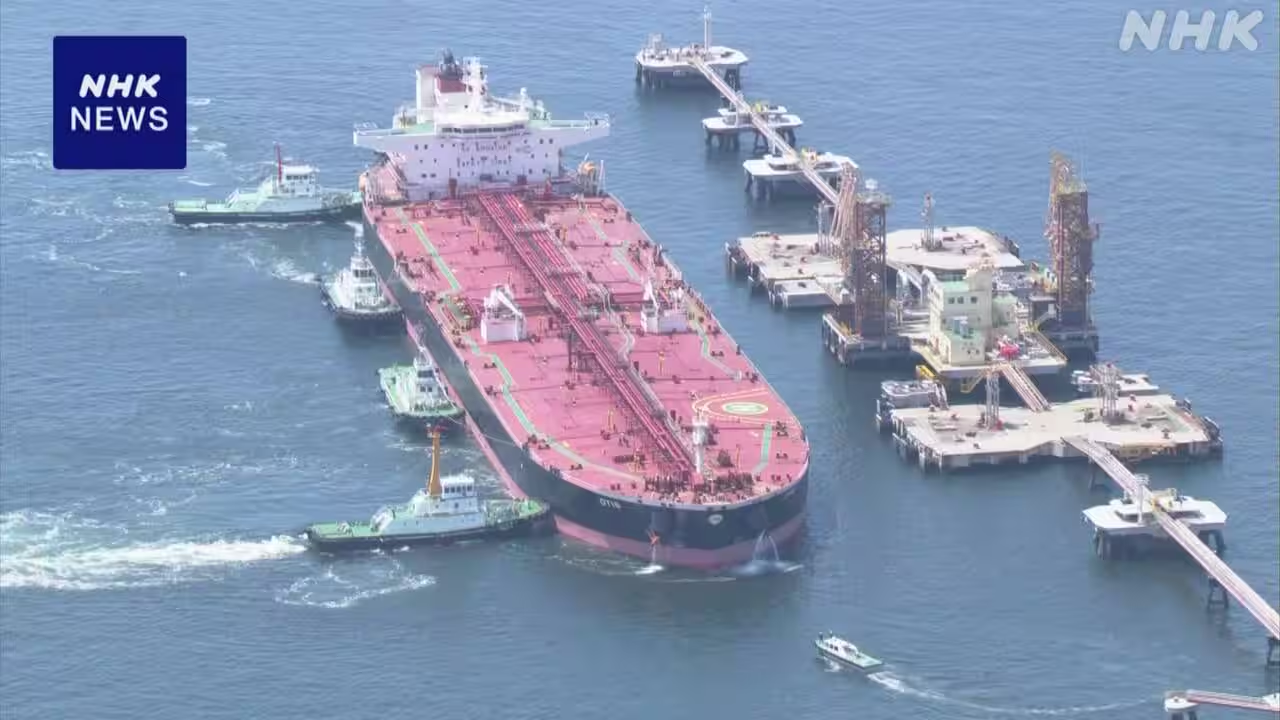
A tanker carrying US-sourced crude oil arrived in Tokyo Bay on 26 April, a development reported by NHK. This shipment represents the first delivery of American crude to Japan since the de facto blockade of the Strait of Hormuz took effect. The arrival underscores the immediate pressure on Japan's energy security as the situation in Iran continues to deteriorate.
The procurement of this specific cargo was handled by a major domestic oil trader operating within the Japanese market. While the specific identity of the trader was not disclosed in the report, the move signals a significant operational response to the disruption of traditional supply routes through the Persian Gulf. The timing of the arrival aligns directly with the widening concerns regarding the stability of global oil supplies.
The context of this delivery is defined by the ongoing risks associated with the Iran crisis. As tensions escalate, the reliance on the Strait of Hormuz for global energy transit has become a critical vulnerability. The successful docking of the vessel in Tokyo Bay serves as a tangible indicator that alternative supply chains are being activated to mitigate the threat of a total supply shock.
This event occurs alongside broader diplomatic and economic manoeuvring in the region. Recent reports indicate that a US-Mexico agreement for the export of one million barrels of crude oil has been reached, further diversifying potential export destinations. In Japan, discussions regarding the release of additional national strategic petroleum reserves are also underway, scheduled to commence next month.
The arrival of this tanker is not merely a commercial transaction but a policy-driven adjustment to a volatile geopolitical landscape. It reflects a broader trend where major economies are forced to reconfigure their energy logistics in response to external shocks. The ability to secure US crude despite the blockade demonstrates the flexibility of international trade routes when primary channels are compromised.
As the Iran situation remains fluid, the focus for policymakers will shift to ensuring the continuity of these alternative supply lines. The successful integration of this shipment into Japan's refining infrastructure suggests that the nation is actively managing the transition away from Hormuz-dependent imports. Continued monitoring of the region will be essential to assess whether this is a one-off adjustment or the beginning of a sustained shift in global energy flows.