US Congress signals dissent as Washington intensifies strikes on Iran amid energy crisis
The United States has launched its 13th consecutive night of attacks on Iran, coinciding with Houthi rebel strikes on Saudi oil tankers that have driven Brent crude above $100 a barrel.
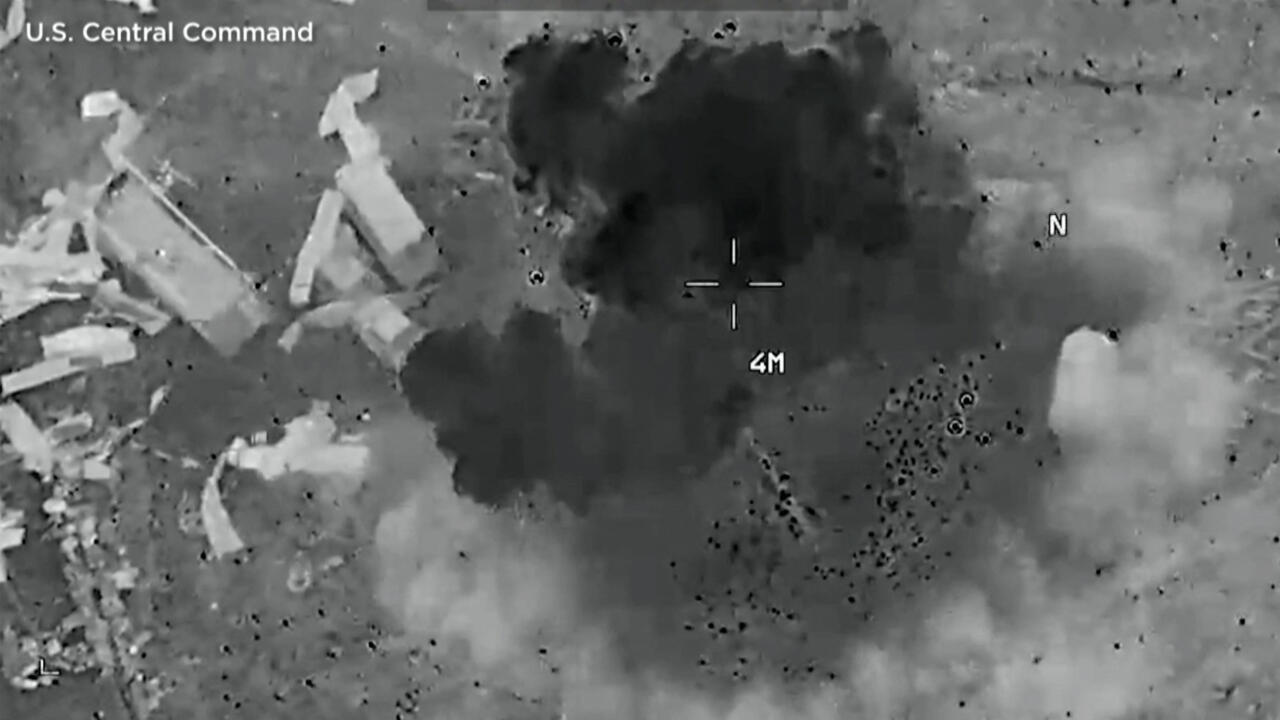
The United States has commenced its 13th consecutive night of military strikes against Iran, escalating a conflict that is increasingly testing domestic political cohesion and global energy stability. The latest wave of attacks, confirmed by US Central Command to have lasted more than two hours, follows a series of maritime disruptions orchestrated by Iran-backed Houthi rebels in the Red Sea. These actions have triggered a significant surge in global oil prices, with Brent crude futures closing above $100 a barrel for the first time since May.
The escalation has drawn sharp rebuke from within the US legislative branch. The US House of Representatives narrowly passed a resolution calling for an end to military action in Iran. This marks the second time the chamber has passed such a measure, serving as a direct warning to President Donald Trump regarding the trajectory of the conflict. The resolution underscores growing legislative concern over the duration and scope of American military engagement in the region.
Economic repercussions have been immediate and severe. The Houthi attacks on Saudi oil tankers have disrupted shipping routes, raising fears of a broader chokepoint crisis. On Thursday, Brent crude rose 7 per cent to close above $100 a barrel, while West Texas Intermediate (WTI) climbed 6.2 per cent. Although prices eased slightly on Friday morning, both benchmarks remained on track for substantial weekly gains, reflecting market anxiety over supply chain integrity.
Compounding the energy shock, Kazakhstan temporarily cut oil output after its primary export route was forced to shut. Meanwhile, President Trump has asserted that the United States will hold Iran responsible for the Houthi attacks, framing the rebel group as a proxy of Tehran. The administration has also linked diplomatic progress to military outcomes, imposing new conditions on a recently signed US-Saudi nuclear deal. President Trump insisted that the agreement is subject to the Gulf kingdom joining the Abraham Accords and normalising relations with Israel.
The financial toll of the ongoing hostilities is already substantial, with the conflict costing the United States $37.5 billion to date. As diplomatic efforts remain entangled with security demands, the convergence of legislative pushback, rising energy costs, and sustained military operations presents a complex governance challenge for the White House.