US Congress faces legal deadline over Iran conflict as War Powers Act clock ticks toward May 1
The 60-day mandate under the War Powers Act of 1973 creates a constitutional fork in the road for the Trump administration, with experts warning of a murky legal future if legislative action is not taken by May 1.
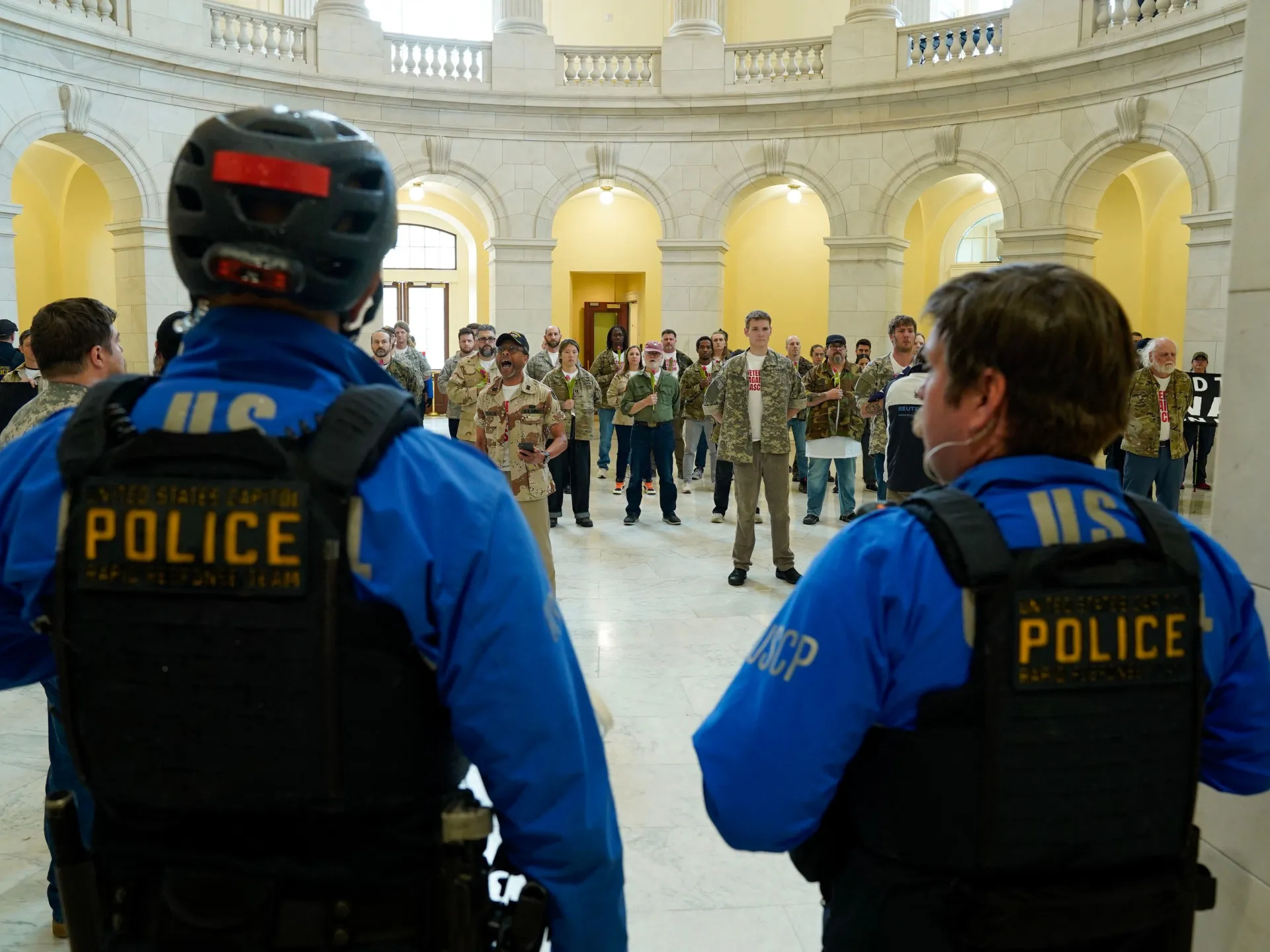
The United States and Israel's military conflict with Iran has reached the 60-day threshold mandated by the War Powers Act of 1973, creating a statutory deadline for President Donald Trump to either secure explicit congressional authorisation or cease hostilities by 1 May. While the administration has not ruled out future ground operations, a temporary pause in direct combat began on 8 April, though the US military continues to blockade the Strait of Hormuz.
Under the legislation, the President is required to notify Congress within 48 hours of committing armed forces to hostilities and must ensure forces are withdrawn within 60 days unless specific statutory authorisation is provided. Although the Trump administration has historically pushed the limits of this law, the current scale of the campaign, which involves hitting at least 13,000 targets and dismantling Iran's nuclear programme, moves beyond what experts consider limited military action.
Republicans in Congress have scuttled previous attempts to rein in the President's authority and show no immediate plans to vote on an Authorisation of Use of Military Force (AUMF). Despite controlling a slim majority in both the House and Senate, political brass has not revealed how they intend to proceed, with Senate Majority Leader John Thune and Armed Services Committee Chairman James Risch offering no indication of imminent legislation.
The legal uncertainty surrounding the conflict has drawn sharp criticism from constitutional experts. David Janovsky, acting director of the Constitution Project at the Project on Government Oversight (POGO), notes that without legislative action or a court ruling, the war could persist on a murky legal footing. He argues that if the courts remain reluctant to intervene, the political branches will ultimately be forced to resolve the issue, potentially leaving the conflict in a blatantly illegal phase under the Act.
Political analysts suggest many Republican lawmakers are privately critical of the war due to its potential damage to the party's standing in the upcoming November midterm elections, yet they fear the fallout of publicly opposing the administration. Senator Lisa Murkowski is reportedly working on an AUMF that would allow continued operations without a full declaration of war, potentially linking funding requests to its passage. Meanwhile, Senators Thom Tillis and Susan Collins have suggested they would not vote to approve further military action after the May 1 deadline.
To date, at least 3,300 people have been killed in Iran, and dozens more, including 13 US military personnel, have died in retaliatory strikes. Diplomatic efforts remain stalled; Iran is pursuing talks via Moscow and Islamabad, while the US has rejected offers to reopen the Strait of Hormuz, a move that has drawn criticism from European allies such as Germany.