Houthi advances put pressure on Saudi security and Red Sea shipping
Renewed attacks and gains along Yemen’s coast raise risks for Saudi infrastructure and trade routes, while outside military support may not shift the balance.
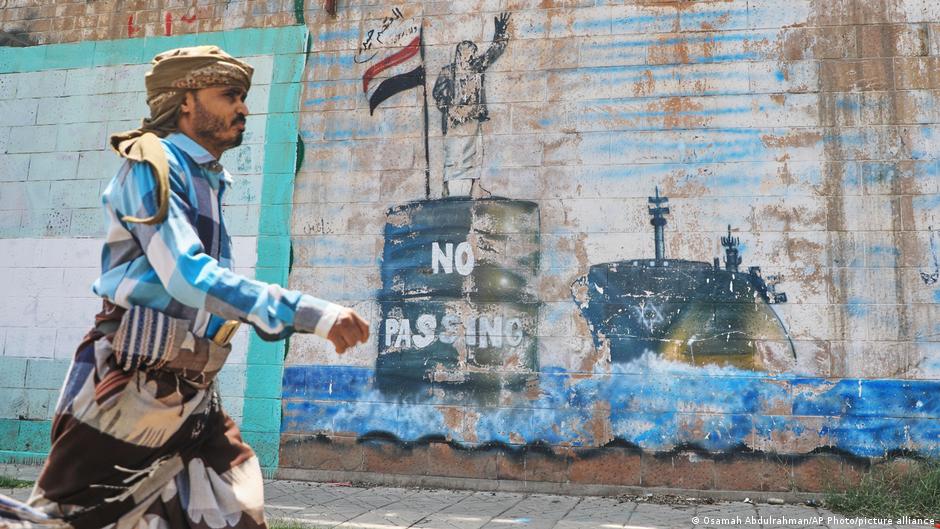
Renewed Houthi missile and drone attacks on Saudi Arabia since July are testing the kingdom’s security and its options for response, according to a Deutsche Welle analysis. The group has also expanded control along parts of Yemen’s Red Sea coast and over several islands, putting shipping near the Bab el-Mandeb Strait under pressure.
The reported attacks have disrupted Saudi Arabia’s East-West oil pipeline, which carries oil across the kingdom. Reports from the week before publication said it was operating again. The threat to infrastructure and maritime routes adds uncertainty for Vision 2030, Saudi Arabia’s plan to diversify its economy, which depends on stability.
The United States has offered intelligence and reconnaissance support, but the analysis says Washington appears reluctant to launch a direct campaign against the Houthis. It cites US think-tank assessments of pressure on weapons stocks, while noting that air strikes alone may not resolve the threat.
European involvement has also grown. Italy has said it intends to protect its merchant ships, and France announced soldiers, radar and air-defence support to protect the Red Sea port of Yanbu. Deutsche Welle’s analysis says these steps are unlikely to produce a strategic shift in Yemen.
Saudi Arabia has reason to be cautious about escalation. A Saudi-led coalition fought the Houthis from 2015 to 2022 without a decisive victory, and potential partners including Turkey and Pakistan are wary of a confrontation with Iran. The analysis suggests diplomacy may again become more important, though it says recent Houthi advances expose limits in Saudi efforts to contain the group through diplomacy and support for divided Yemeni government forces.