US citizen charged in first known case of border 'duress' password data wipe
The Justice Department’s prosecution of an Atlanta resident for triggering a phone wipe at Hartsfield-Jackson airport raises fresh questions over constitutional rights and the limits of border searches.
The US Justice Department has charged Atlanta resident Samuel Tunick with destroying property after he allegedly entered a 'duress' passcode into his phone during a border search, causing the device to wipe its data. Tunick, who runs GrapheneOS on his device, pleaded not guilty and has filed a motion to suppress evidence, arguing the seizure was unlawful and motivated by his involvement with the Defend the Atlanta Forest movement. The case raises questions regarding constitutional rights at the US border and marks the first known prosecution in the United States for using a duress password to destroy data.
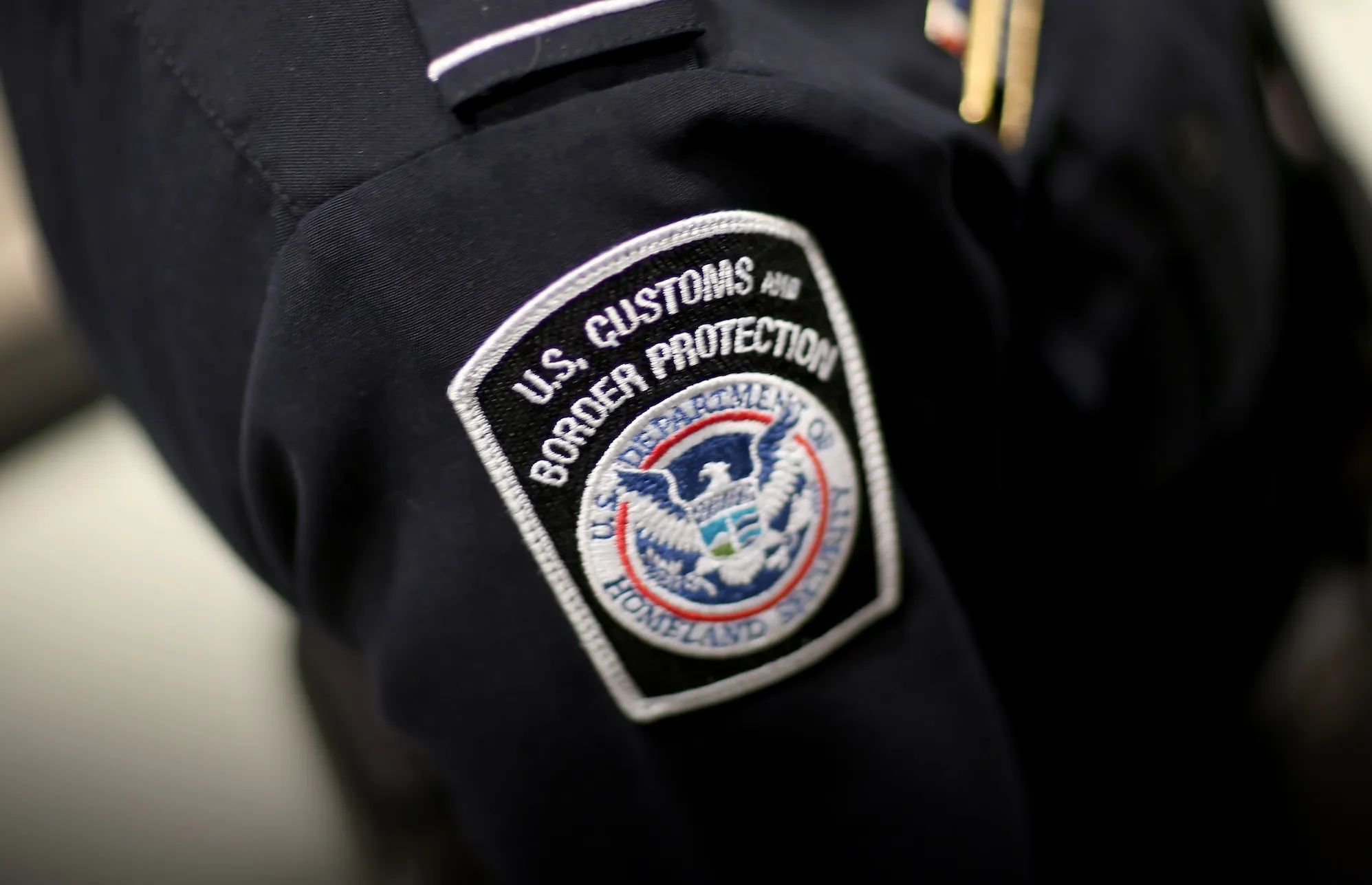
The indictment alleges Tunick provided a passcode to border agents at Hartsfield-Jackson airport on January 24, 2025, which triggered the data wipe before the device was seized. Tunick’s legal team claims he was denied access to an attorney and not informed of his rights during secondary inspection. Attorneys allege the search was a pretext to investigate Tunick’s association with the Defend the Atlanta Forest movement, which opposes the "Cop City" law enforcement training campus. The government’s indictment contains a typo, referring to the “Untied States Code”.
Security experts from the Electronic Frontier Foundation and Granitt consultancy confirmed this is an unprecedented use of federal statutes regarding duress passwords. The Atlanta federal court is expected to rule on the motion to suppress evidence later this year.
GrapheneOS is a custom Android operating system for Google Pixel devices that includes a feature allowing users to set a passcode that deliberately wipes device contents. Federal statutes make it unlawful to knowingly destroy or damage property to prevent authorities from seizing it. The Electronic Frontier Foundation provides guides on protecting data and understanding rights at the US border.
The US government maintains that border authorities can search and seize devices without a warrant until a person is authorised entry, asserting the border is not US soil.
It remains to be seen whether the court will accept the argument that the border search was unlawful or motivated by political association rather than legitimate security concerns. The legal precedent set by this case is untested, as it is the first known prosecution of its kind in the United States. The Justice Department did not respond to requests for comment, leaving the government’s specific legal strategy unclear.