US-China trade rivalry leaves Europe navigating pressure from both sides
Xi Jinping’s Washington talks with Donald Trump are expected to cover trade, artificial intelligence and critical supply chains as the European Union weighs its response to pressure from both powers.
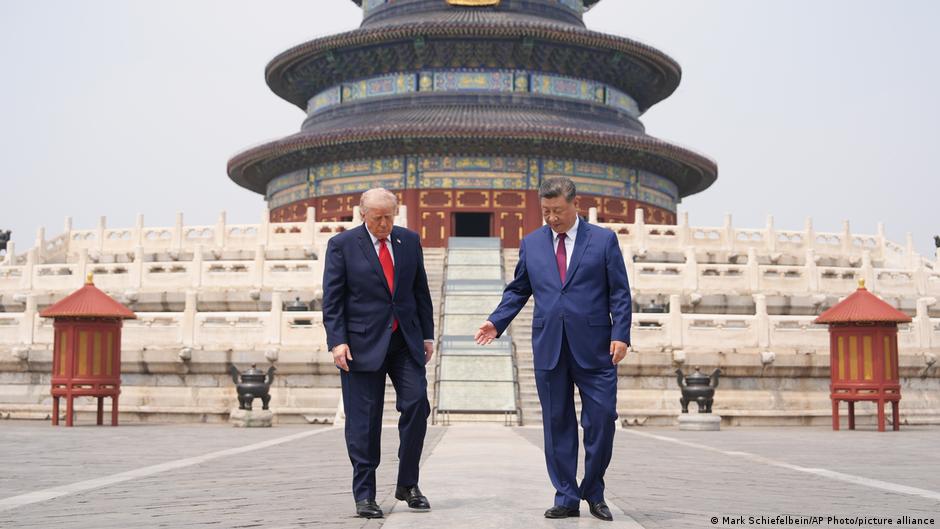
Chinese President Xi Jinping is travelling to Washington for talks with US President Donald Trump as trade and strategic tensions between the two countries continue to reshape global commerce. Deutsche Welle reported that the discussions are expected to include trade, artificial-intelligence safeguards and supplies of high-performance chips and rare earth elements.
The talks come as Washington restricts exports of high-performance chips to China, while Beijing limits exports of rare earths used in semiconductor production. US Treasury Secretary Scott Bessent said officials had discussed a possible mechanism for notifying each other about AI-related security incidents, although no agreement has been confirmed.
For the European Union, the rivalry creates pressure from both directions. Brussels faces US tariff threats while confronting Chinese competition in batteries, green energy and electric vehicles. European Commission President Ursula von der Leyen has described the shift as a renewed “China shock”, warning that Chinese technological advances are affecting European communities and factories.
The EU is considering additional tariffs on Chinese electric vehicles, citing competitive advantages and government subsidies. China rejects claims that its advantages are unfair, while German carmakers Volkswagen and BMW oppose punitive tariffs because of the risk of Chinese retaliation.
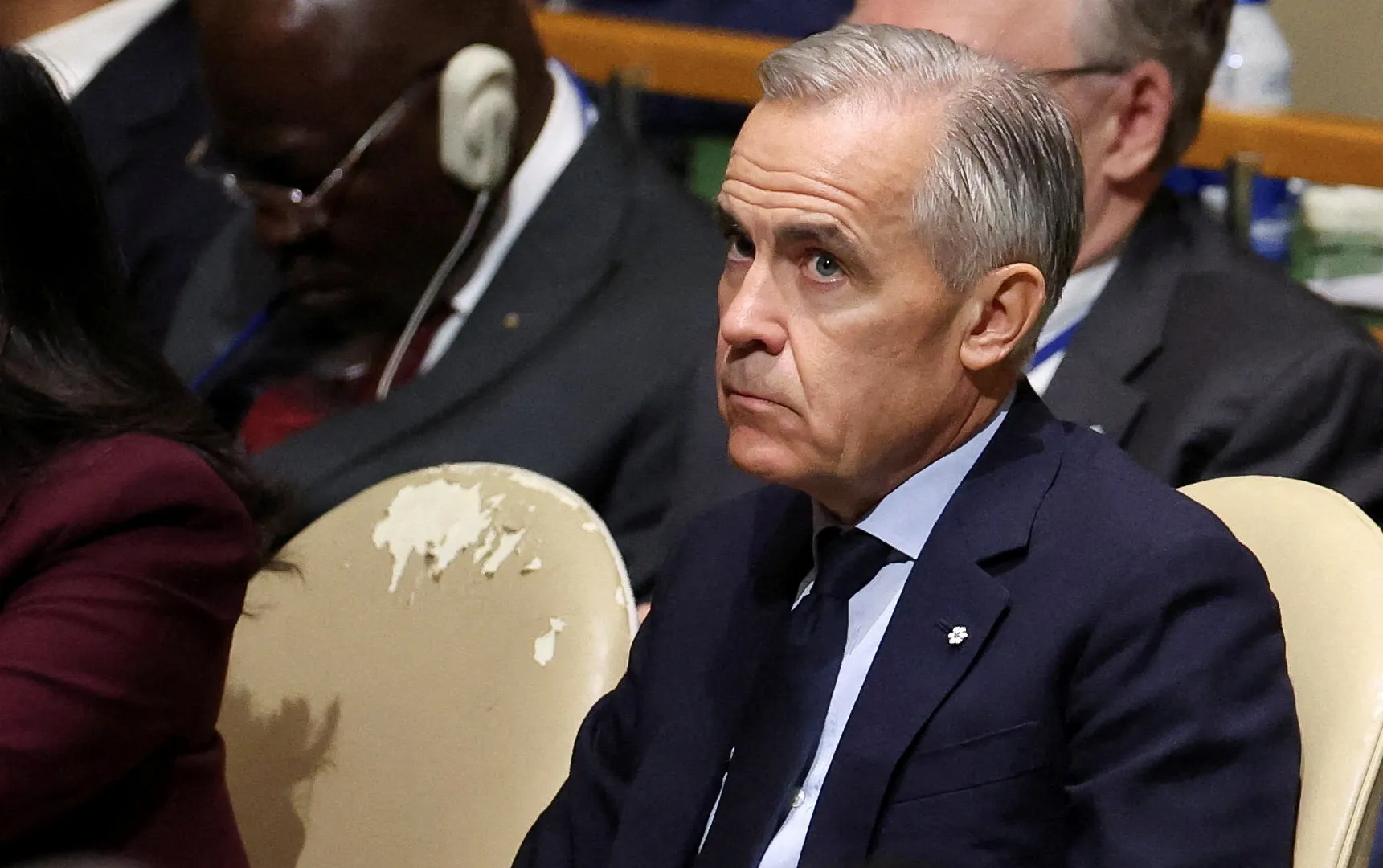
Canada has taken a different approach, reducing tariffs on Chinese electric vehicles from 100 per cent to 6.1 per cent, subject to an annual quota of 49,000 vehicles. Prime Minister Mark Carney has described this approach as “variable geometry”, involving different partnerships for different issues.
The Washington talks may ease some tensions, but the available evidence points to a strategic stalemate rather than a confirmed breakthrough. Europe remains exposed to decisions made by two competing trade powers while attempting to protect its industries and retain access to global markets.