Kiir dissolves South Sudan unity government ahead of scheduled vote
A caretaker administration replaces the power-sharing government as key peace deal tasks remain unfinished and questions persist over the election timetable.
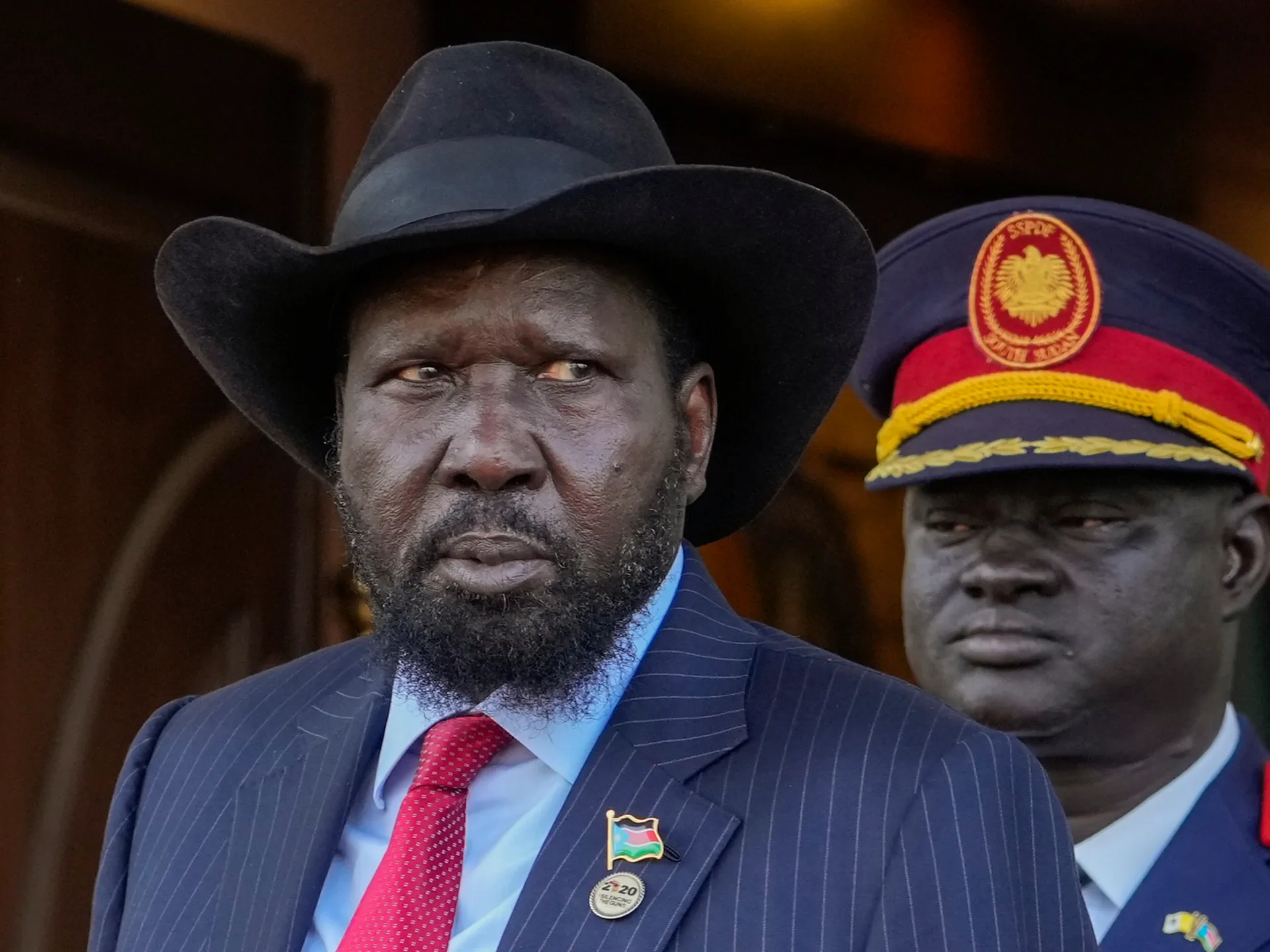
South Sudanese President Salva Kiir has dissolved the transitional unity government and appointed a caretaker administration, ending the power-sharing arrangement established under the 2018 peace deal. Elections are scheduled for 22 December, but the date is not guaranteed.
The decree removes vice-presidents, ministers and local administrators, and dissolves national and state assemblies. The judiciary and security institutions remain in place. Kiir is to stay president until an elected successor takes office.
The move follows parliament’s approval of changes to the National Elections Act. The changes allow election preparations to proceed without first completing a permanent constitution or census, and allow Kiir to remain in office during the election period. The main opposition alliance has rejected them.
Several transition tasks remain outstanding, including drafting a permanent constitution, registering voters and unifying armed forces loyal to rival parties. Elections, initially expected in 2022, have been postponed twice.
Al Jazeera reported that analysts see ambiguity in the legal changes and raised concerns about Kiir’s concentration of power. One analyst told AFP the law could allow him to delay elections by a year or two. The practical effect on the election timetable remains unclear.
Kiir’s longtime rival Riek Machar remains under house arrest and is on trial on charges he denies. Amnesty International called the decree a decisive step towards elections, while urging authorities to ensure people can vote and stand for office.