US Central Command targets Iranian infrastructure in 11th consecutive night of strikes
Explosions reported in Tehran and northwestern Tabriz mark strategic shift in US military campaign aimed at securing Strait of Hormuz shipping lanes.
The United States military has commenced its eleventh consecutive night of strikes against Iran, with US Central Command (CENTCOM) confirming the operation began at 2300 GMT on Tuesday. The campaign is explicitly designed to degrade Iran’s capacity to threaten commercial shipping in the Strait of Hormuz, a vital maritime chokepoint where hostilities have intensified following the collapse of a June 17 memorandum of understanding between the two nations.
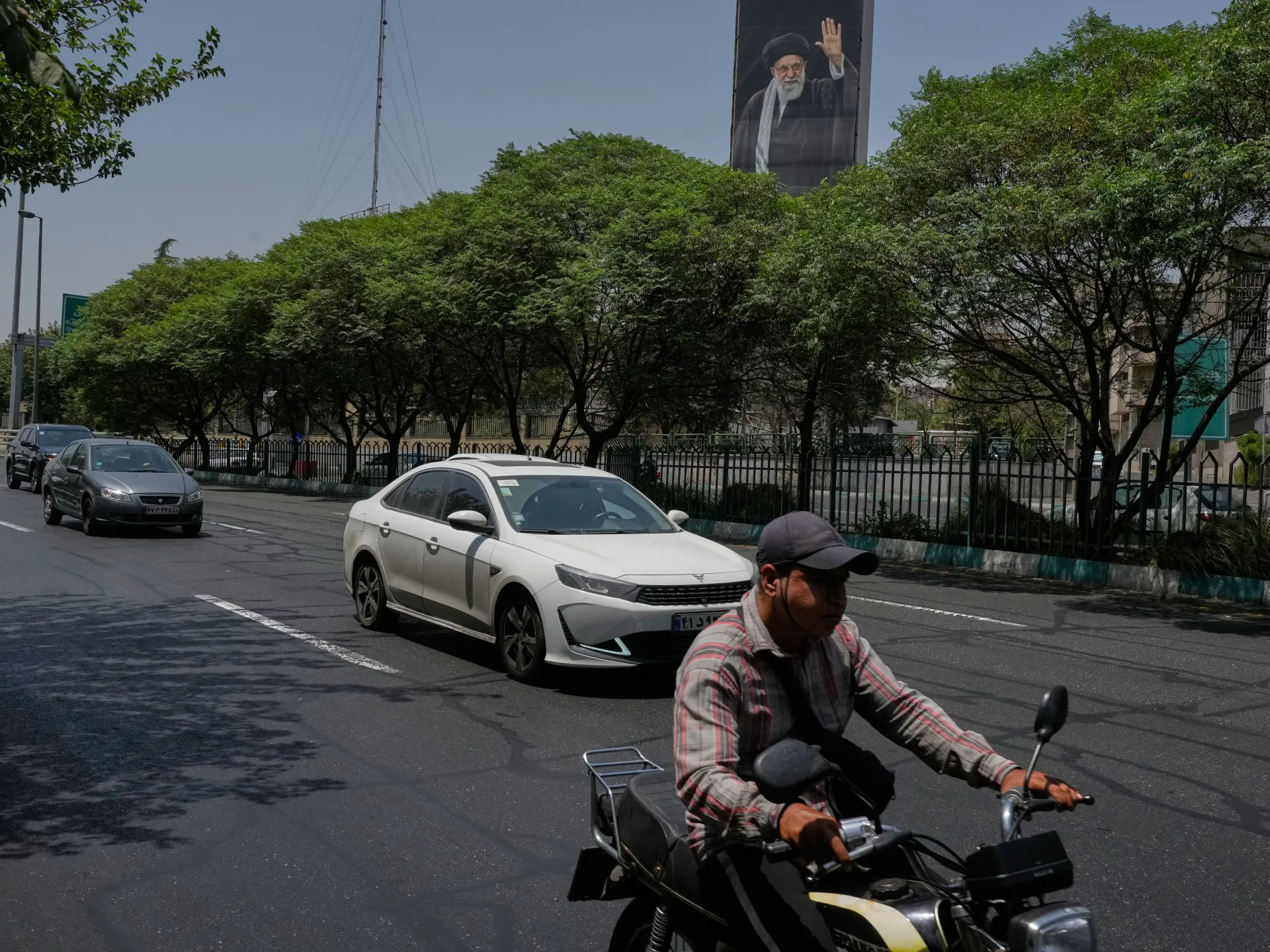
While recent operations have predominantly targeted southern Iran and the immediate vicinity of the Strait of Hormuz, reports indicate a geographical expansion of the conflict. Explosions were reported in Sirik and Bushehr in the south, while residents in northeastern Tehran described hearing air defence activity and multiple blasts. Crucially, explosions were also heard in Tabriz, located in northwestern Iran, a development that would represent a significant departure from the established pattern of strikes if confirmed.
The escalation has triggered immediate retaliatory measures from Iranian forces against regional allies. The Kuwaiti army reported earlier on Tuesday that its air defences had intercepted an Iranian drone attack. This incident follows a pattern of Iranian strikes on Gulf states, including Bahrain and Qatar, since the resumption of US military operations this month. Concurrently, Houthi allies have issued threats to blockade Saudi ports, further complicating the regional security architecture.
Market indicators reflect the growing economic strain of the conflict. On 20 July 2026, the US dollar index advanced by 0.17%, buoyed by intensifying hostilities and rising crude oil prices. The escalation has heightened inflation expectations, leading analysts to suggest that the Federal Reserve may be compelled to adopt a tighter monetary stance in response to the supply chain disruptions and energy price volatility.
US President Donald Trump has framed the military campaign as a long-term strategic necessity, warning that Iran would require between 20 and 25 years to recover from the damage inflicted. The administration’s stance signals a commitment to sustained pressure on Tehran, with CENTCOM maintaining that the objective remains the neutralisation of threats to international maritime commerce in the Gulf region.