US Central Command prioritises safe passage and blockade in Hormuz under 'Project Freedom'
The US military has identified securing shipping lanes and establishing a blockade against Iran as primary goals for a new initiative dubbed 'Project Freedom'.
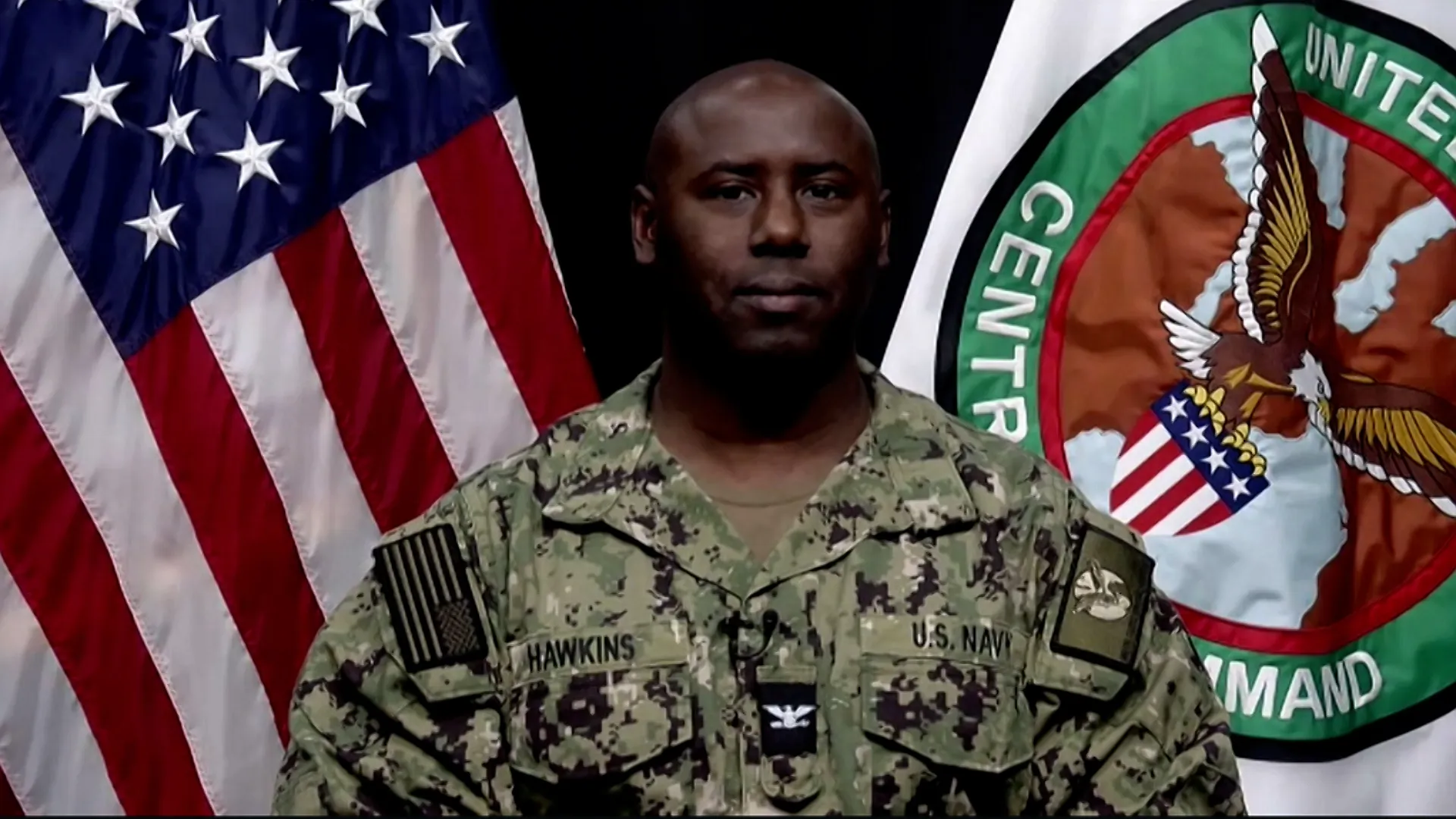
US Central Command has formally identified the securing of safe shipping routes through the Strait of Hormuz and the establishment of a blockade against Iran as its primary objectives. These strategic priorities are being pursued under a new initiative officially dubbed 'Project Freedom'.
The operational focus was confirmed by CENTCOM spokesman Tim Hawkins, who stated that ensuring safe passage for maritime traffic remains the central aim of the campaign in the region. This declaration marks a significant escalation in the stated intent of US forces operating within the strategically vital waterway.
While the strategic direction of the operation is now clear, significant gaps remain regarding the practical execution of these goals. Specific details concerning the duration of the initiative, the full scope of activities, and the military assets currently deployed have not been elaborated upon in official communications.
The decision to prioritise these objectives comes amidst ongoing geopolitical tensions involving the United States and Iran. The Strait of Hormuz serves as a critical global chokepoint for oil and shipping traffic, making any shift in security posture here of immediate concern to international trade and regional stability.
CENTCOM has framed the dual mandate of protecting commercial vessels and enforcing a blockade as the core of 'Project Freedom'. However, without further clarification on the legal basis or specific measures constituting the blockade, the initiative is being reported as a stated policy objective rather than a completed tactical reality.
The naming of the operation as 'Project Freedom' represents a distinct label used by US Central Command, though its official status or level of public recognition beyond military channels has not been further defined. This development underscores the continued friction in the region, with the US military adapting its posture to address perceived threats to maritime security.