US cancels Iran strikes as Tehran closes Strait of Hormuz
President Donald Trump halts planned offensive hours after threatening to seize oil infrastructure, while Iran’s Revolutionary Guards enforce a total closure of the strategic waterway.
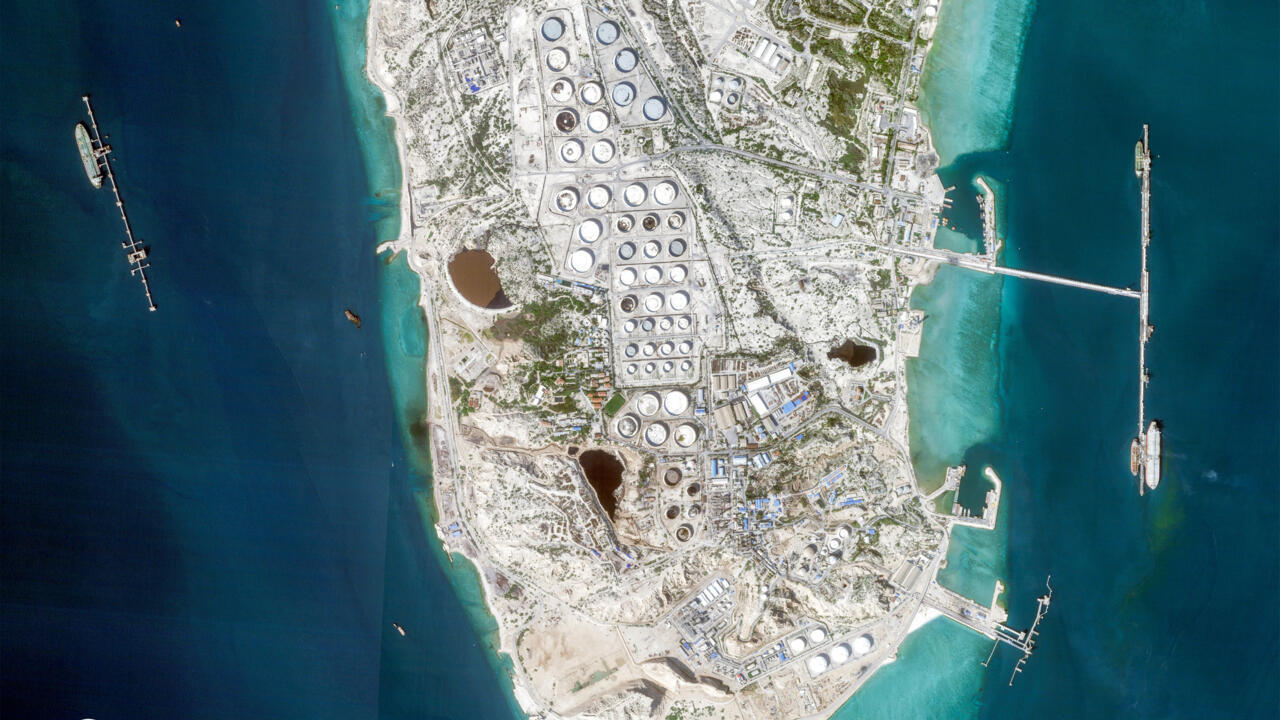
US President Donald Trump announced on Thursday that the United States would cancel planned military strikes against Iran, citing high-level discussions with Iranian leadership and progress in extending a fragile ceasefire. The reversal followed hours of threats by Trump to strike Iran “very hard” and seize control of its oil infrastructure, specifically Kharg Island. In a social media post, Trump stated the decision was made because discussions had been approved by the highest levels of the Islamic Republic and endorsed by the United States, Israel, and other regional allies.
The announcement came as tensions in the Gulf reached a critical peak. Iran’s Khatam al-Anbiya Central Headquarters, the country’s top joint military command, announced a complete closure of the Strait of Hormuz until further notice. The move was a direct response to the escalating threat environment, with the command warning that any US attack on oil facilities would result in a more widespread war and insecurity across the region. Iranian officials have condemned recent US actions as rendering the existing ceasefire “practically meaningless.”
Military operations in the region continued despite the diplomatic shift. US Central Command reported disabling a third oil tanker in the Gulf of Oman this week, the Guinea-Bissau flagged M/T Jalveer, which was struck after the crew failed to comply with US directions. This incident marked the ninth such strike since a blockade began and followed a similar attack on Wednesday that resulted in the death of three Indian crew members. Iranian state media reported a blast in the Strait of Hormuz off the coast of Sirik, though the cause remained unknown.
Diplomatic efforts to de-escalate the conflict are intensifying. Iran’s chief negotiator and parliamentary speaker, Mohammad Bagher Ghalibaf, warned that “wrong strategies and impulsive decisions” could reset the conflict for the worse, leading to soaring energy prices and regional turmoil. Meanwhile, EU foreign policy chief Kaja Kallas reiterated the need for a diplomatic route, stating that a return to full-scale war would come at a tremendous cost to the entire region. Pakistan’s foreign ministry also confirmed that mediation efforts remain active, with its interior minister recently delivering messages from the prime minister to Iranian leadership.
The broader geopolitical landscape remains volatile. UN Secretary-General Antonio Guterres called for a diplomatic settlement to the Lebanese conflict, citing a serious escalation in hostilities. In a separate development, Saudi Arabia announced the end of a five-year ban on Lebanese imports, a move aimed at rebuilding relations and reviving the Lebanese economy. As negotiations continue, the US and Iran have traded air attacks for a second consecutive day, with Iranian sources indicating that discussions over releasing frozen funds are intensifying.