US border enforcement pivots to interior surveillance and mass monitoring at 2026 expo
The 2026 Border Security Expo in Phoenix showcased AI-driven analytics and tactical simulation tools, reflecting the Trump administration’s intensified focus on interior enforcement, denaturalisation efforts, and military strikes against drug cartels.
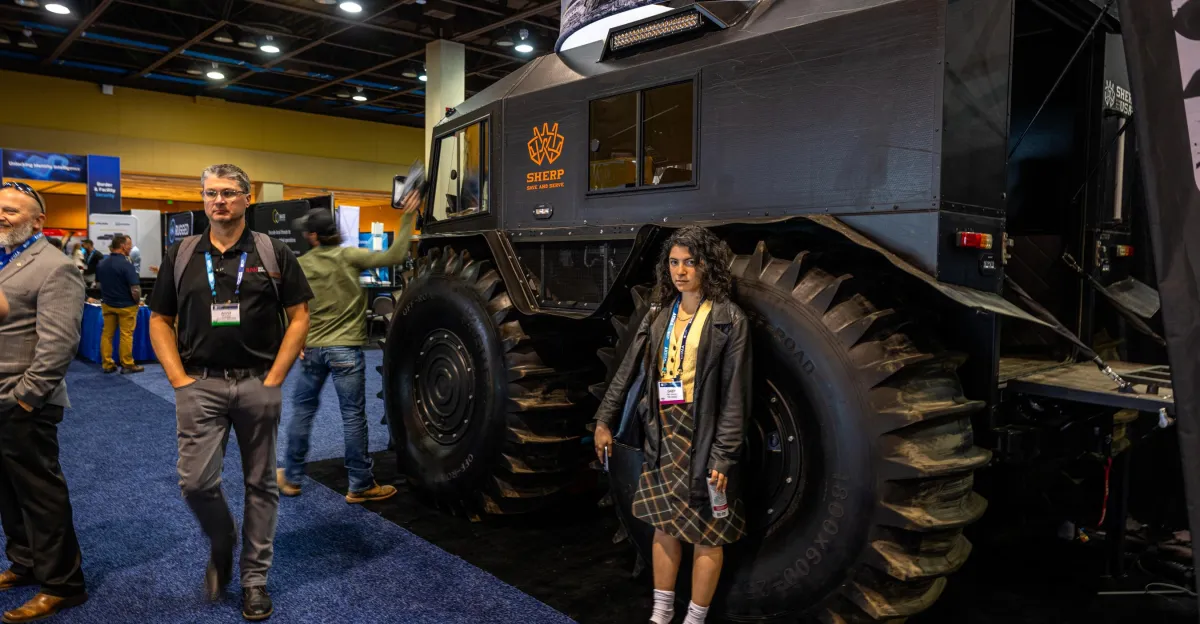
The 2026 Border Security Expo in Phoenix, Arizona, marked a strategic pivot in US immigration enforcement, shifting focus from perimeter control at the US-Mexico border to interior surveillance and mass monitoring. Hosted by the Department of Homeland Security (DHS), the event featured 193 vendors showcasing advanced technologies, including AI-driven data analytics and social media monitoring tools. Key administration figures, including Border Czar Tom Homan and Acting Attorney General Todd Blanche, addressed the crowd, highlighting record-low border apprehensions and a maximalist approach to domestic enforcement.
Border apprehensions dropped to 8,268 in March 2026, a significant decrease from 137,473 recorded two years prior. Officials attributed this decline to policy changes, specifically the elimination of asylum at the border, rather than technological advancements. Despite this success at the perimeter, Customs and Border Protection commissioner Rodney Scott stated that the focus was now on securing the interior of the country, using border apprehensions to trigger follow-up arrests of immigrants further afield.
Vendors displayed technologies such as Babel Street’s Babel X platform, which uses code embedded in mobile apps to track locations and perform cross-lingual social media searches. DHS has awarded over $21 million in contracts to Babel Street since 2015 for these capabilities. The expo also featured the V-300 S-Screen Simulator by VirTra, a simulation training system designed for domestic crowd control and interior enforcement, reflecting the industry’s preparation for civil unrest and raids within US cities.
Acting Attorney General Todd Blanche, the first attorney general to speak at the expo, discussed the administration’s efforts to strip some immigrants of citizenship. He claimed the administration was on track to surpass the number of denaturalisation filings made by the Biden administration in four years within a week. Blanche framed these actions as necessary to protect the integrity of the naturalisation process, stating that the government was identifying foreign-born Americans who obtained citizenship through fraud.
The event also underscored the militarisation of the drug war, with Blanche describing military strikes against drug cartels as legal and right. A New York Times investigation found at least 57 military strikes since September 2025, resulting in 192 deaths. Families of victims have filed lawsuits alleging the bombings constitute war crimes. Meanwhile, media access was tightly controlled, with reporters identified by red or pink stripes on their badges and initial bans on press coverage later reversed.