US announces troop reduction in Germany following diplomatic rift over Iran policy
The Pentagon confirms plans to withdraw forces over the next 12 months, a move directly linked to a high-level dispute between President Trump and Chancellor Merz regarding the conduct of the war on Iran.
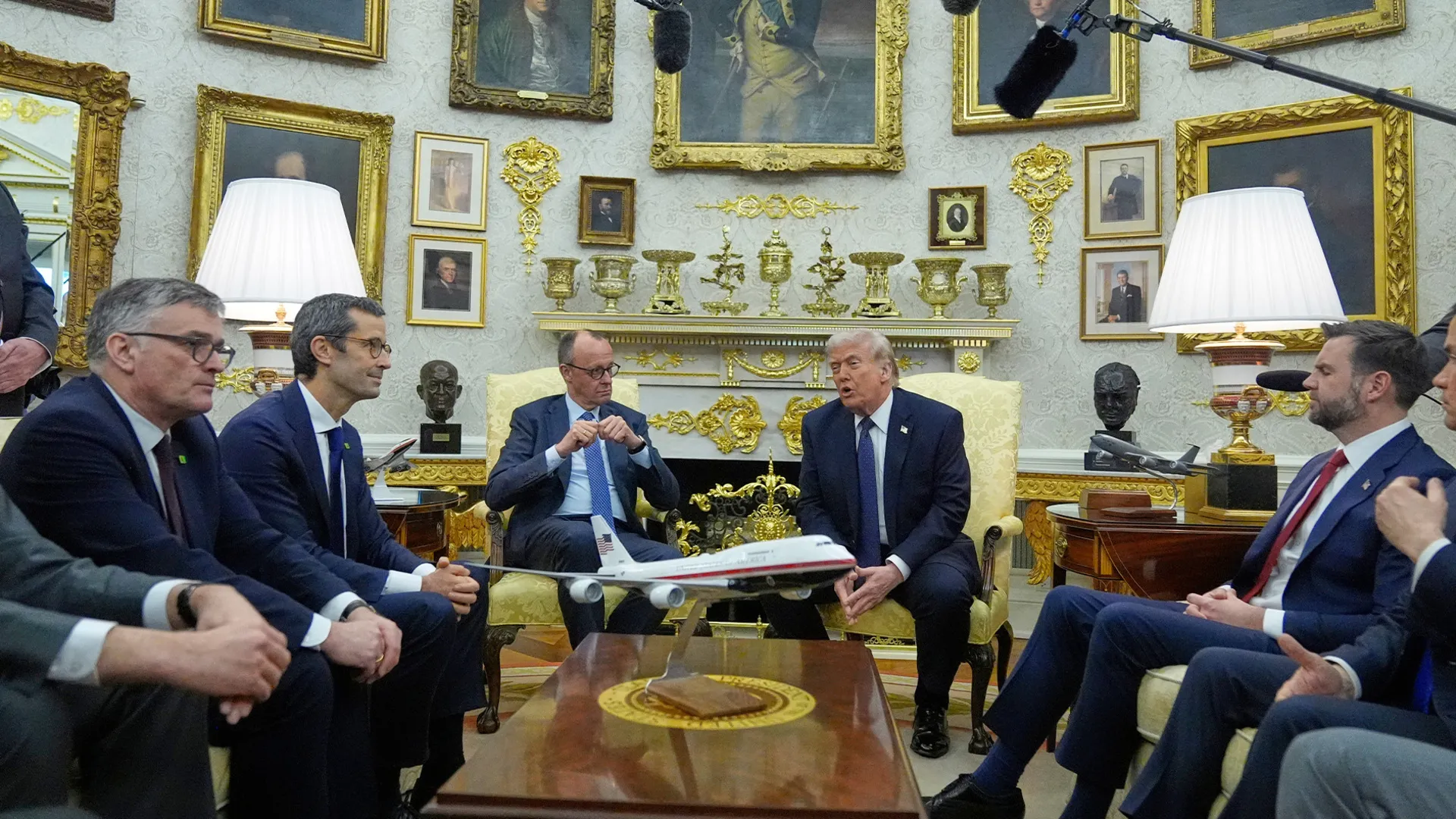
The United States has confirmed plans to reduce its military presence in Germany over the coming year, a decision driven by escalating diplomatic friction between Washington and Berlin. The announcement marks a significant strain on transatlantic relations, occurring as President Trump and German Chancellor Friedrich Merz engage in a public exchange of accusations regarding the ongoing conflict in Iran.
At the heart of the dispute is a disagreement over the strategic approach to the war. Chancellor Merz has publicly criticised the United States for lacking a coherent strategy, alleging that American forces are being humiliated by Iranian negotiators. In sharp retaliation, President Trump accused the German Chancellor of supporting Iran's nuclear ambitions, framing the disagreement as a fundamental clash over national security objectives.
This latest development follows a pattern of friction between the two nations. The current announcement mirrors a previous Pentagon directive which saw 5,000 US troops withdrawn from Germany over a 12-month period following similar diplomatic disputes. The recurrence of such measures suggests a recurring volatility in the alignment between Washington's military posture and Berlin's diplomatic expectations.
The geopolitical fallout extends beyond the bilateral relationship between the US and Germany. Polish Prime Minister Donald Tusk has also issued warnings regarding the regional situation, indicating that the diplomatic spat is being watched closely by neighbouring states. The announcement underscores a broader landscape of regional tension, where policy disagreements are rapidly translating into concrete shifts in military deployment.
Compounding the complexity of the situation is the broader context of strained relations within the Western alliance. While the US-German rift deepens, similar tensions have affected US-UK relations, though a recent state visit by King Charles to the United States proceeded despite a separate security incident at a White House dinner. The juxtaposition of these events highlights a period of significant recalibration in European security architecture.
The specific mechanics of the upcoming troop reduction remain undefined in the current reporting, with the exact number of personnel to be withdrawn not detailed in the source material. Nevertheless, the timing and rationale of the move confirm that the diplomatic spat has moved from rhetorical exchanges to tangible policy adjustments, reshaping the immediate military landscape in Central Europe.